5I55 image
Deposition Date 2016-02-14
Release Date 2017-03-01
Last Version Date 2024-10-09
Entry Detail
PDB ID:
5I55
Keywords:
Title:
Crystal Structure of the Virulent PSM-alpha3 Peptide Forming a Cross-alpha amyloid-like Fibril
Biological Source:
Source Organism(s):
Method Details:
Experimental Method:
Resolution:
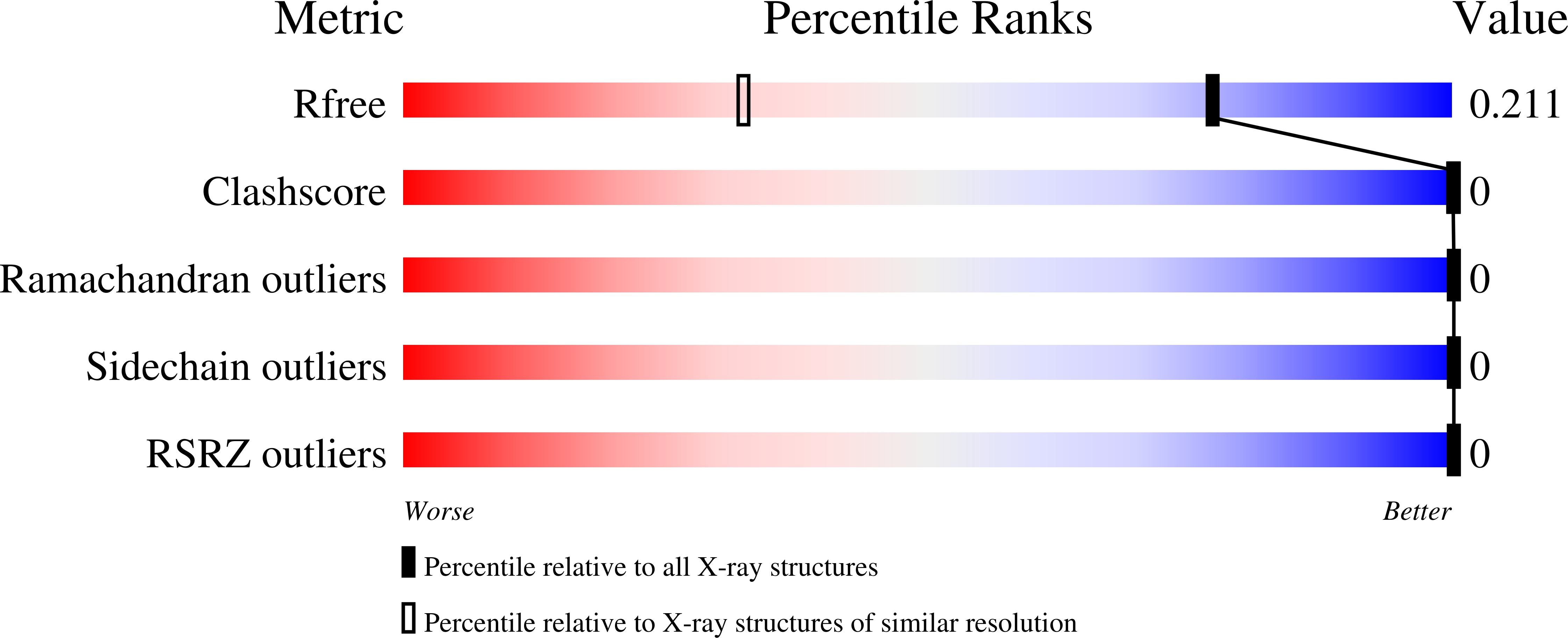
1.45 Å
R-Value Free:
0.18
R-Value Work:
0.14
R-Value Observed:
0.14
Space Group:
P 1 21 1
Macromolecular Entities
Structures with similar UniProt ID
Protein Blast
Polymer Type:polypeptide(L)
Molecule:Psm alpha-3
Chain IDs:A
Chain Length:22
Number of Molecules:1
Biological Source:Staphylococcus aureus
Modified Residue
Compound ID Chain ID Parent Comp ID Details 2D Image
MSE A MET modified residue
Primary Citation
The cytotoxic Staphylococcus aureus PSM alpha 3 reveals a cross-alpha amyloid-like fibril.
Science 355 831 833 (2017)
PMID: 28232575 DOI: 10.1126/science.aaf4901

Abstact

Amyloids are ordered protein aggregates, found in all kingdoms of life, and are involved in aggregation diseases as well as in physiological activities. In microbes, functional amyloids are often key virulence determinants, yet the structural basis for their activity remains elusive. We determined the fibril structure and function of the highly toxic, 22-residue phenol-soluble modulin α3 (PSMα3) peptide secreted by Staphylococcus aureus PSMα3 formed elongated fibrils that shared the morphological and tinctorial characteristics of canonical cross-β eukaryotic amyloids. However, the crystal structure of full-length PSMα3, solved de novo at 1.45 angstrom resolution, revealed a distinctive "cross-α" amyloid-like architecture, in which amphipathic α helices stacked perpendicular to the fibril axis into tight self-associating sheets. The cross-α fibrillation of PSMα3 facilitated cytotoxicity, suggesting that this assembly mode underlies function in S. aureus.

Legend

Protein

Chemical

Disease

Primary Citation of related structures
Feedback Form
Name
Email
Institute
Feedback