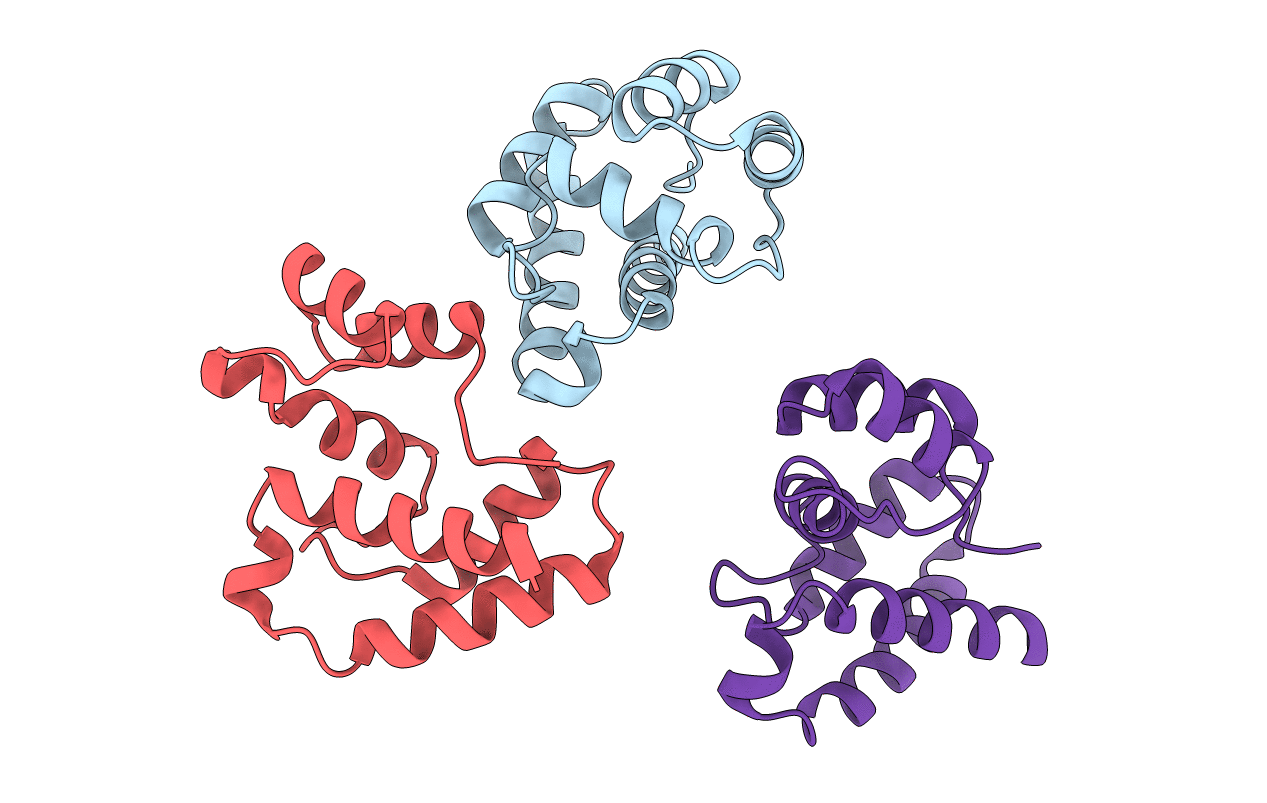
4Z45 image
Deposition Date 2015-04-01
Release Date 2016-04-13
Last Version Date 2024-11-20
Entry Detail
PDB ID:
4Z45
Title:
Structure of OBP3 from the currant-lettuce aphid Nasonovia ribisnigri
Biological Source:
Source Organism:
Method Details:
Experimental Method:
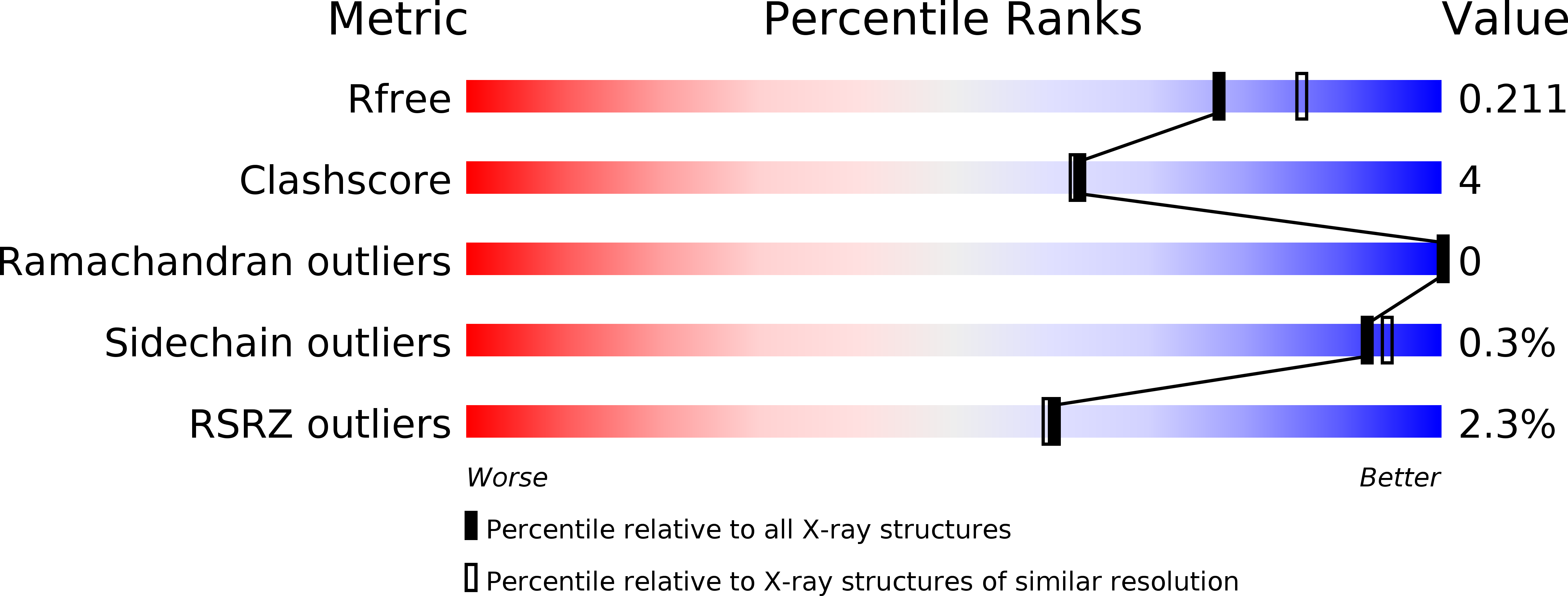
Resolution:
2.02 Å
R-Value Free:
0.20
R-Value Work:
0.16
R-Value Observed:
0.16
Space Group:
P 31 2 1
Macromolecular Entities
Structures with similar UniProt ID
Protein Blast
Polymer Type:polypeptide(L)
Molecule:Odorant-binding protein NribOBP3
Chain IDs:A, B, C (auth: D)
Chain Length:121
Number of Molecules:3
Biological Source:Nasonovia ribisnigri
Primary Citation
Crystal Structures and Binding Dynamics of Odorant-Binding Protein 3 from two aphid species Megoura viciae and Nasonovia ribisnigri.
Sci Rep 6 24739 24739 (2016)
PMID: 27102935 DOI: 10.1038/srep24739

Abstact

Aphids use chemical cues to locate hosts and find mates. The vetch aphid Megoura viciae feeds exclusively on the Fabaceae, whereas the currant-lettuce aphid Nasonovia ribisnigri alternates hosts between the Grossulariaceae and Asteraceae. Both species use alarm pheromones to warn of dangers. For N. ribisnigri this pheromone is a single component (E)-β-farnesene but M. viciae uses a mixture of (E)-β-farnesene, (-)-α-pinene, β-pinene, and limonene. Odorant-binding proteins (OBP) are believed to capture and transport such semiochemicals to their receptors. Here, we report the first aphid OBP crystal structures and examine their molecular interactions with the alarm pheromone components. Our study reveals some unique structural features: 1) the lack of an internal ligand binding site; 2) a striking groove in the surface of the proteins as a putative binding site; 3) the N-terminus rather than the C-terminus occupies the site closing off the conventional OBP pocket. The results from fluorescent binding assays, molecular docking and dynamics demonstrate that OBP3 from M. viciae can bind to all four alarm pheromone components and the differential ligand binding between these very similar OBP3s from the two aphid species is determined mainly by the direct π-π interactions between ligands and the aromatic residues of OBP3s in the binding pocket.

Legend

Protein

Chemical

Disease

Primary Citation of related structures
Feedback Form
Name
Email
Institute
Feedback