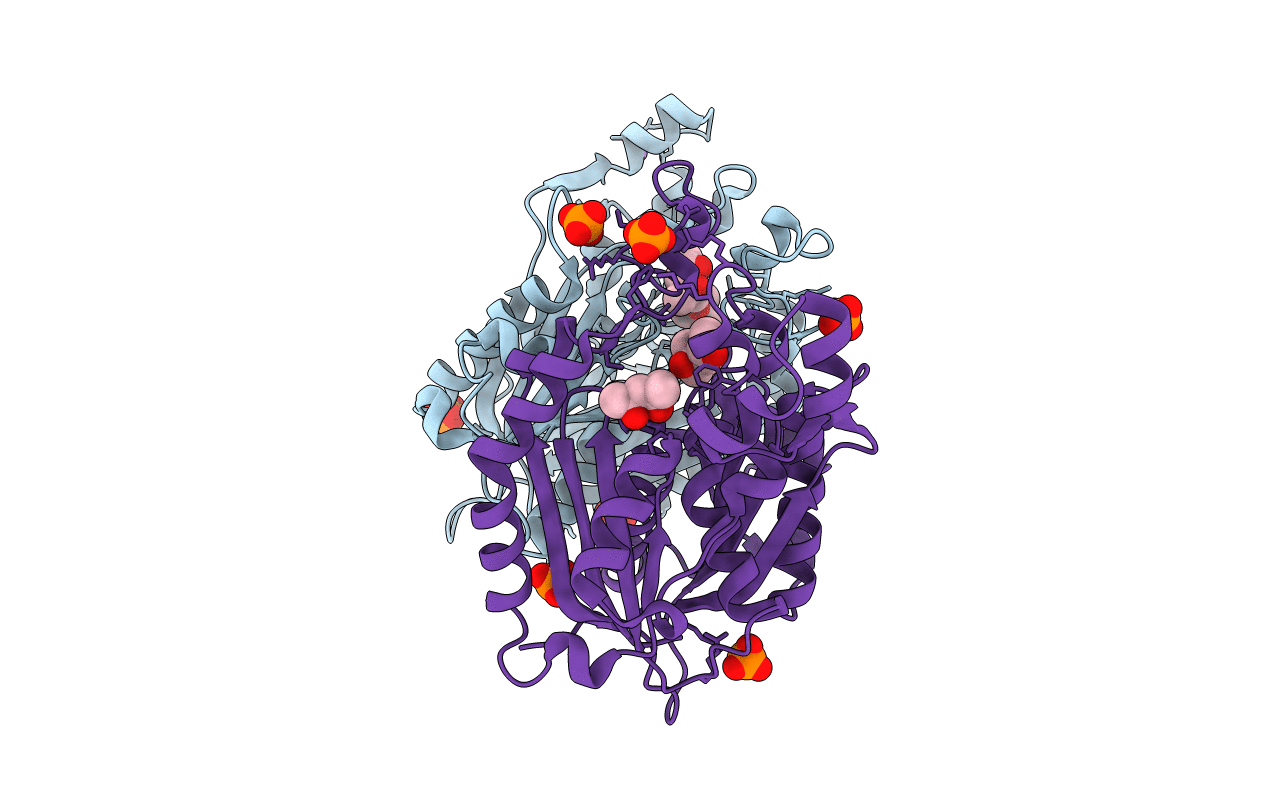
4V2P image
Deposition Date 2014-10-13
Release Date 2015-08-26
Last Version Date 2024-10-16
Entry Detail
PDB ID:
4V2P
Keywords:
Title:
Ketosynthase MxnB
Biological Source:
Source Organism:
MYXOCOCCUS FULVUS (Taxon ID: 33)
Host Organism:
Method Details:
Experimental Method:
Resolution:
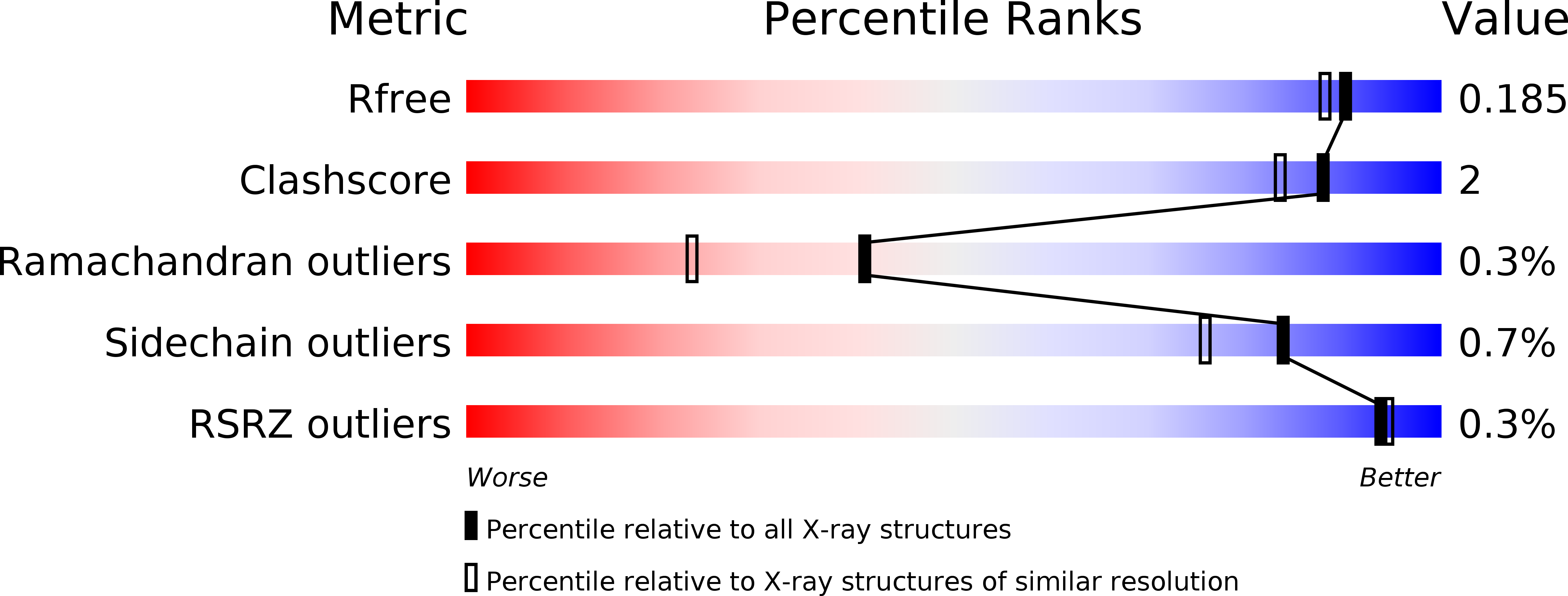
1.67 Å
R-Value Free:
0.17
R-Value Work:
0.14
R-Value Observed:
0.14
Space Group:
P 1
Macromolecular Entities
Structures with similar UniProt ID
Protein Blast
Polymer Type:polypeptide(L)
Molecule:KETOSYNTHASE
Gene (Uniprot):mxnB
Chain IDs:A, B
Chain Length:351
Number of Molecules:2
Biological Source:MYXOCOCCUS FULVUS
Modified Residue
Compound ID Chain ID Parent Comp ID Details 2D Image
CSD A CYS 3-SULFINOALANINE
Primary Citation
In vitro reconstitution of alpha-pyrone ring formation in myxopyronin biosynthesis.
Chem Sci 6 5076 5085 (2015)
PMID: 29308173 DOI: 10.1039/c5sc01013f

Abstact

Myxopyronins are α-pyrone antibiotics produced by the terrestrial bacterium Myxococcus fulvus Mx f50 and possess antibacterial activity against Gram-positive and Gram-negative pathogens. They target the bacterial RNA polymerase (RNAP) "switch region" as non-competitive inhibitors and display no cross-resistance to the established RNAP inhibitor rifampicin. Recent analysis of the myxopyronin biosynthetic pathway led to the hypothesis that this secondary metabolite is produced from two separate polyketide parts, which are condensed by the stand-alone ketosynthase MxnB. Using in vitro assays we show that MxnB catalyzes a unique condensation reaction forming the α-pyrone ring of myxopyronins from two activated acyl chains in form of their β-keto intermediates. MxnB is able to accept thioester substrates coupled to either N-acetylcysteamine (NAC) or a specific carrier protein (CP). The turnover rate of MxnB for substrates bound to CP was 12-fold higher than for NAC substrates, demonstrating the importance of protein-protein interactions in polyketide synthase (PKS) systems. The crystal structure of MxnB reveals the enzyme to be an unusual member of the ketosynthase group capable of binding and condensing two long alkyl chains bound to carrier proteins. The geometry of the two binding tunnels supports the biochemical data and allows us to propose an order of reaction, which is supported by the identification of novel myxopyronin congeners in the extract of the producer strain. Insights into the mechanism of this unique condensation reaction do not only expand our knowledge regarding the thiolase enzyme family but also opens up opportunities for PKS bioengineering to achieve directed structural modifications.

Legend

Protein

Chemical

Disease

Primary Citation of related structures
Feedback Form
Name
Email
Institute
Feedback