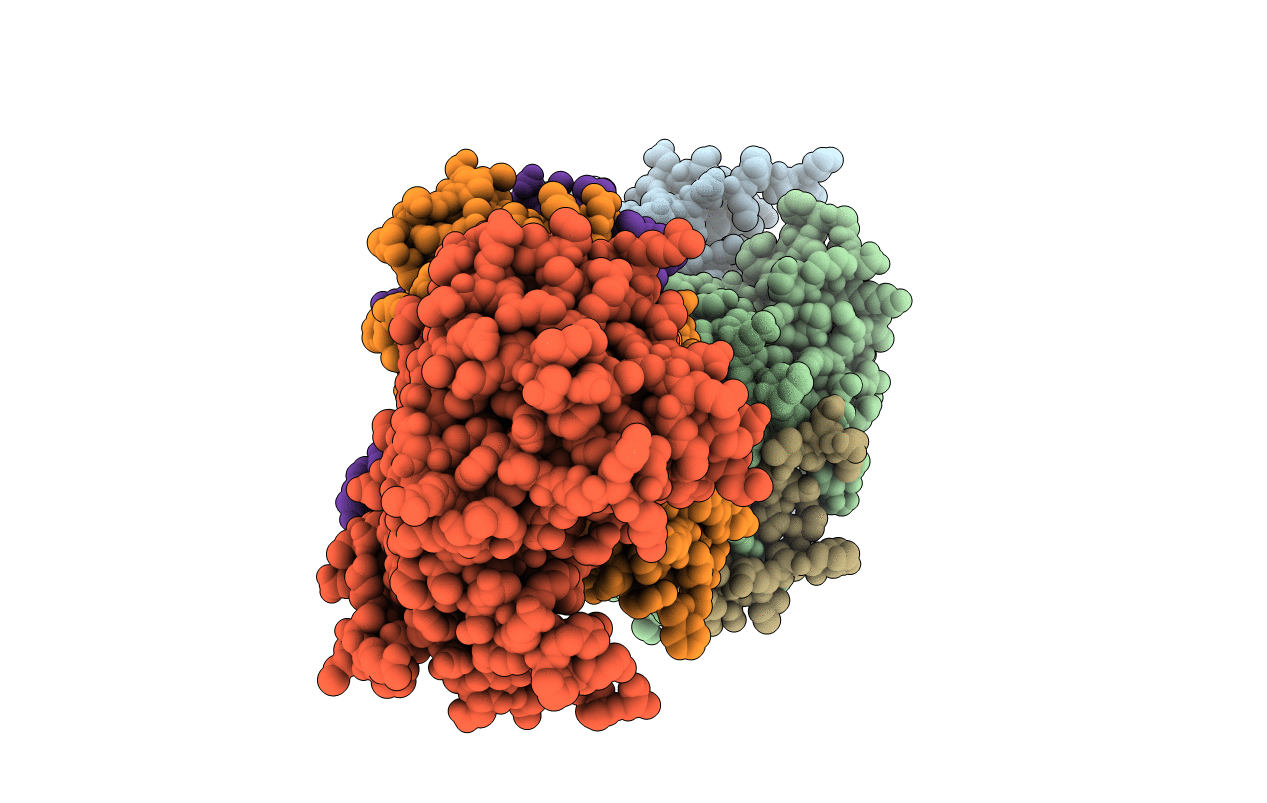
4J7B image
Deposition Date 2013-02-13
Release Date 2013-07-24
Last Version Date 2023-11-08
Entry Detail
PDB ID:
4J7B
Keywords:
Title:
Crystal structure of polo-like kinase 1
Biological Source:
Source Organism:
Host Organism:
Method Details:
Experimental Method:
Resolution:
2.30 Å
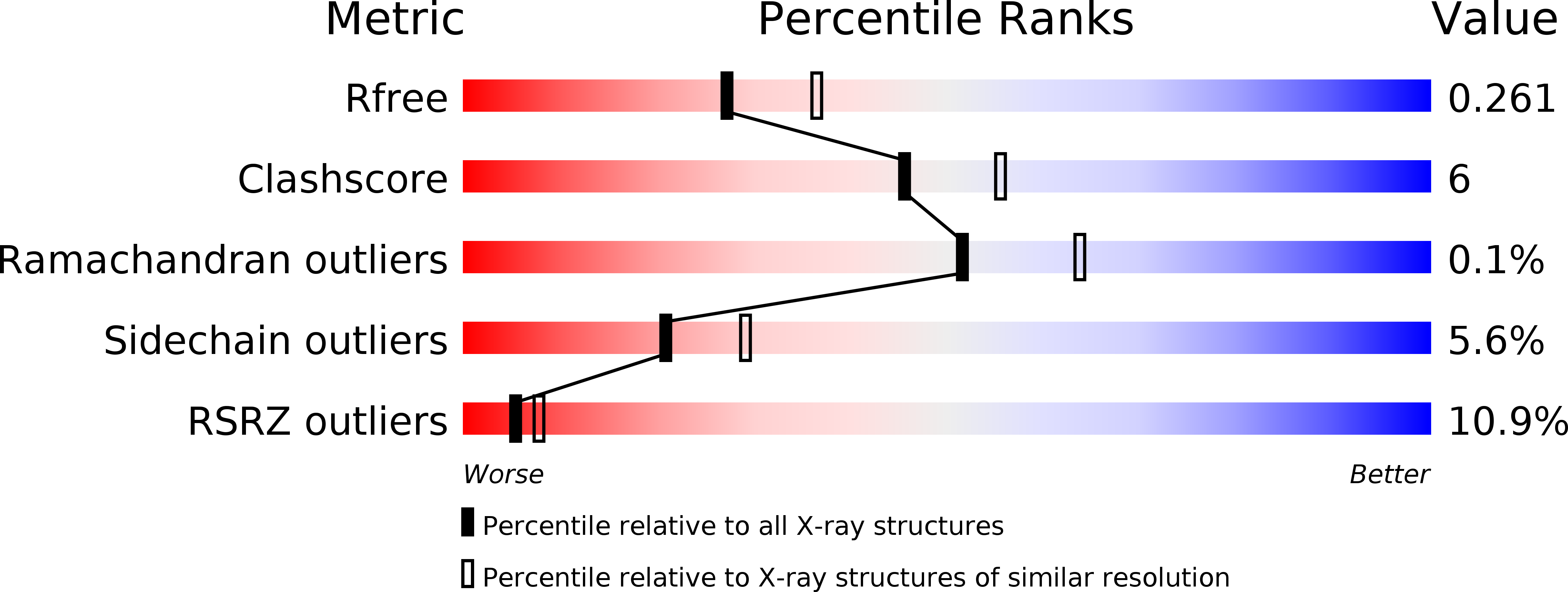
R-Value Free:
0.26
R-Value Work:
0.20
R-Value Observed:
0.20
Space Group:
P 1
Macromolecular Entities
Structures with similar UniProt ID
Protein Blast
Polymer Type:polypeptide(L)
Molecule:Polo-like kinase
Gene (Uniprot):plk1
Mutagens:D162N, E192F
Chain IDs:A, D
Chain Length:297
Number of Molecules:2
Biological Source:Danio rerio
Structures with similar UniProt ID
Protein Blast
Polymer Type:polypeptide(L)
Molecule:Polo-like kinase
Gene (Uniprot):plk1
Mutagens:D384G
Chain IDs:B, E
Chain Length:237
Number of Molecules:2
Biological Source:Danio rerio
Structures with similar UniProt ID
Protein Blast
Polymer Type:polypeptide(L)
Molecule:205 kDa microtubule-associated protein
Gene (Uniprot):Map205
Chain IDs:C, F
Chain Length:58
Number of Molecules:2
Biological Source:Drosophila melanogaster
Primary Citation
Structural basis for the inhibition of Polo-like kinase 1
Nat.Struct.Mol.Biol. 20 1047 1053 (2013)
PMID: 23893132 DOI: 10.1038/nsmb.2623

Abstact

Polo-like kinase 1 (PLK1) is a master regulator of mitosis and is considered a potential drug target for cancer therapy. PLK1 is characterized by an N-terminal kinase domain (KD) and a C-terminal Polo-box domain (PBD). The KD and PBD are mutually inhibited, but the molecular mechanisms of the autoinhibition remain unclear. Here we report the 2.3-Å crystal structure of the complex of the Danio rerio KD and PBD together with a PBD-binding motif of Drosophila melanogaster microtubule-associated protein 205 (Map205(PBM)). The structure reveals that the PBD binds and rigidifies the hinge region of the KD in a distinct conformation from that of the phosphopeptide-bound PBD. This structure provides a framework for understanding the autoinhibitory mechanisms of PLK1 and also sheds light on the activation mechanisms of PLK1 by phosphorylation or phosphopeptide binding.

Legend

Protein

Chemical

Disease

Primary Citation of related structures
Feedback Form
Name
Email
Institute
Feedback