4G9D image
Deposition Date 2012-07-23
Release Date 2013-03-20
Last Version Date 2024-11-27
Entry Detail
PDB ID:
4G9D
Keywords:
Title:
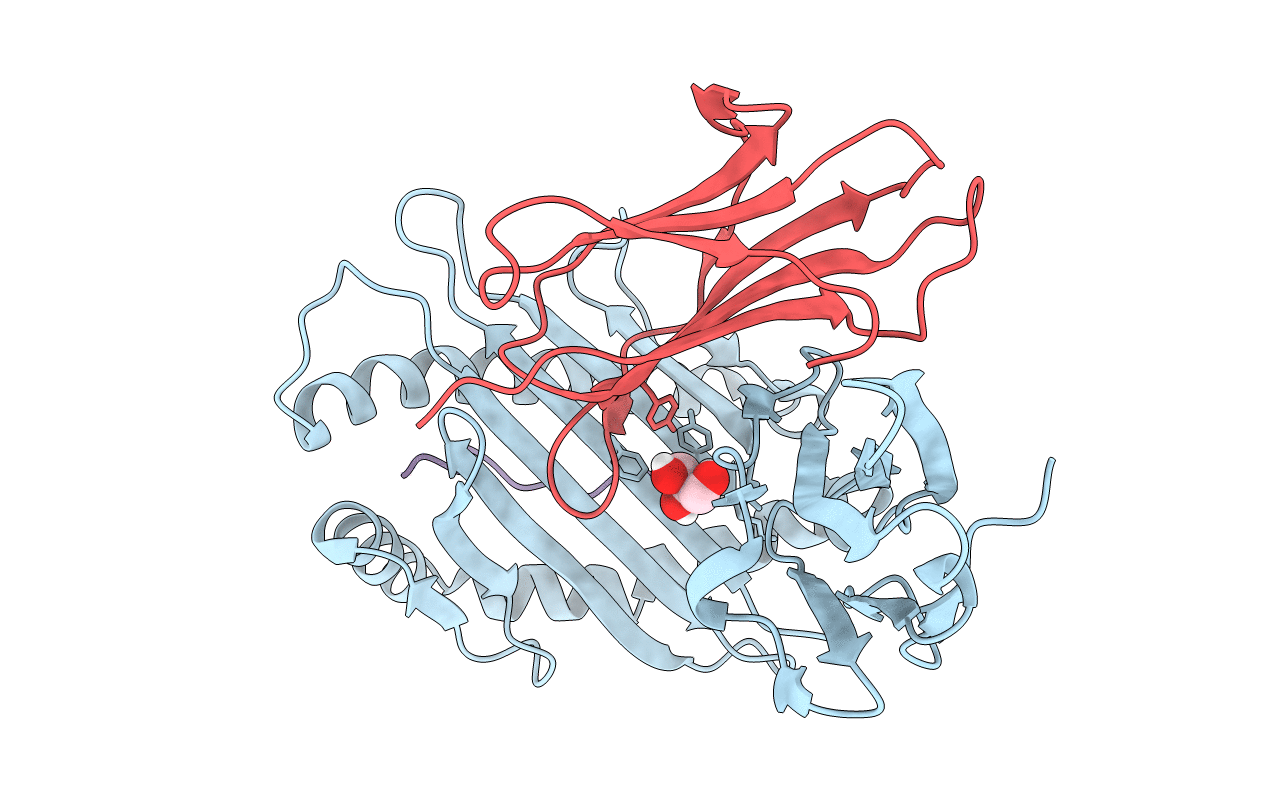
Crystal Structure of HLA B2705-KK10
Biological Source:
Source Organism:
Host Organism:
Method Details:
Experimental Method:
Resolution:
1.60 Å
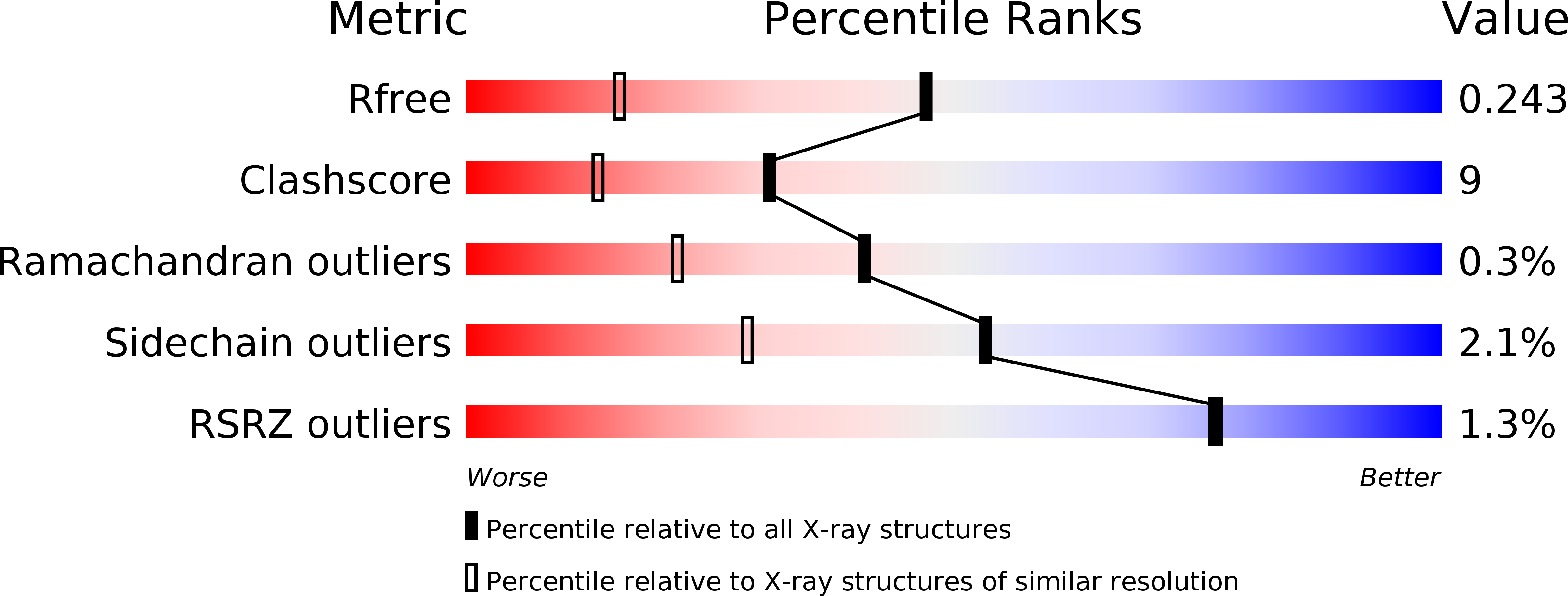
R-Value Free:
0.23
R-Value Work:
0.19
R-Value Observed:
0.19
Space Group:
P 21 21 21
Macromolecular Entities
Structures with similar UniProt ID
Protein Blast
Polymer Type:polypeptide(L)
Molecule:HLA class I histocompatibility antigen, B-27 alpha chain
Chain IDs:A
Chain Length:276
Number of Molecules:1
Biological Source:Homo sapiens
Structures with similar UniProt ID
Protein Blast
Polymer Type:polypeptide(L)
Molecule:Beta-2-microglobulin
Gene (Uniprot):B2M
Chain IDs:B
Chain Length:99
Number of Molecules:1
Biological Source:Homo sapiens
Structures with similar UniProt ID
Protein Blast
Polymer Type:polypeptide(L)
Molecule:P24
Chain IDs:C
Chain Length:10
Number of Molecules:1
Biological Source:Human immunodeficiency virus 1
Ligand Molecules
Primary Citation

Abstact

The capacity of the immune system to adapt to rapidly evolving viruses is a primary feature of effective immunity, yet its molecular basis is unclear. Here, we investigated protective HIV-1-specific CD8+ T cell responses directed against the immunodominant p24 Gag-derived epitope KK10 (KRWIILGLNK263-272) presented by human leukocyte antigen (HLA)-B∗2705. We found that cross-reactive CD8+ T cell clonotypes were mobilized to counter the rapid emergence of HIV-1 variants that can directly affect T cell receptor (TCR) recognition. These newly recruited clonotypes expressed TCRs that engaged wild-type and mutant KK10 antigens with similar affinities and almost identical docking modes, thereby accounting for their antiviral efficacy in HLA-B∗2705+ individuals. A protective CD8+ T cell repertoire therefore encompasses the capacity to control TCR-accessible mutations, ultimately driving the development of more complex viral escape variants that disrupt antigen presentation.

Legend

Protein

Chemical

Disease

Primary Citation of related structures
Feedback Form
Name
Email
Institute
Feedback