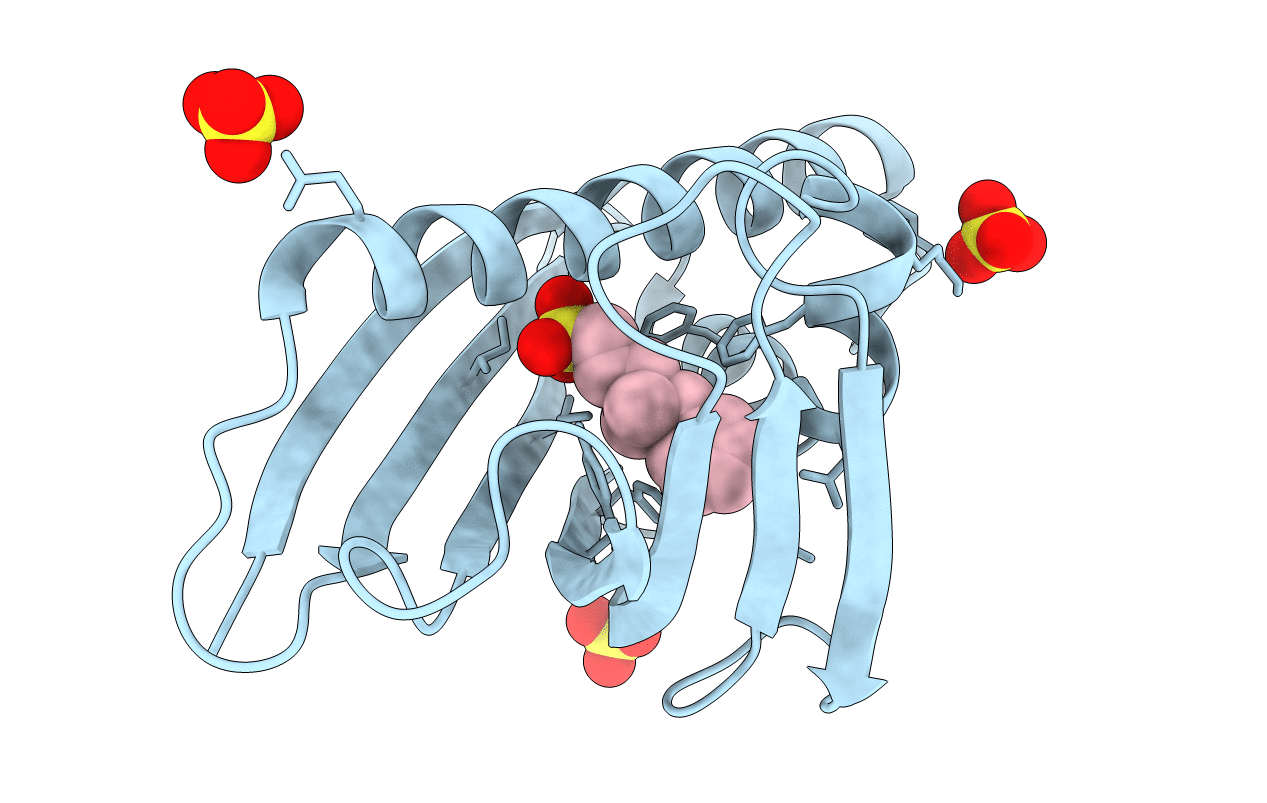
4A8G image
Deposition Date 2011-11-21
Release Date 2012-05-30
Last Version Date 2023-12-20
Entry Detail
PDB ID:
4A8G
Keywords:
Title:
Crystal Structure of Major Birch Pollen Allergen Bet v 1 a in complex with dimethylbenzylammonium propane sulfonate
Biological Source:
Source Organism:
BETULA PENDULA (Taxon ID: 3505)
Host Organism:
Method Details:
Experimental Method:
Resolution:
2.10 Å
R-Value Free:
0.24
R-Value Work:
0.16
R-Value Observed:
0.16
Space Group:
P 1 21 1
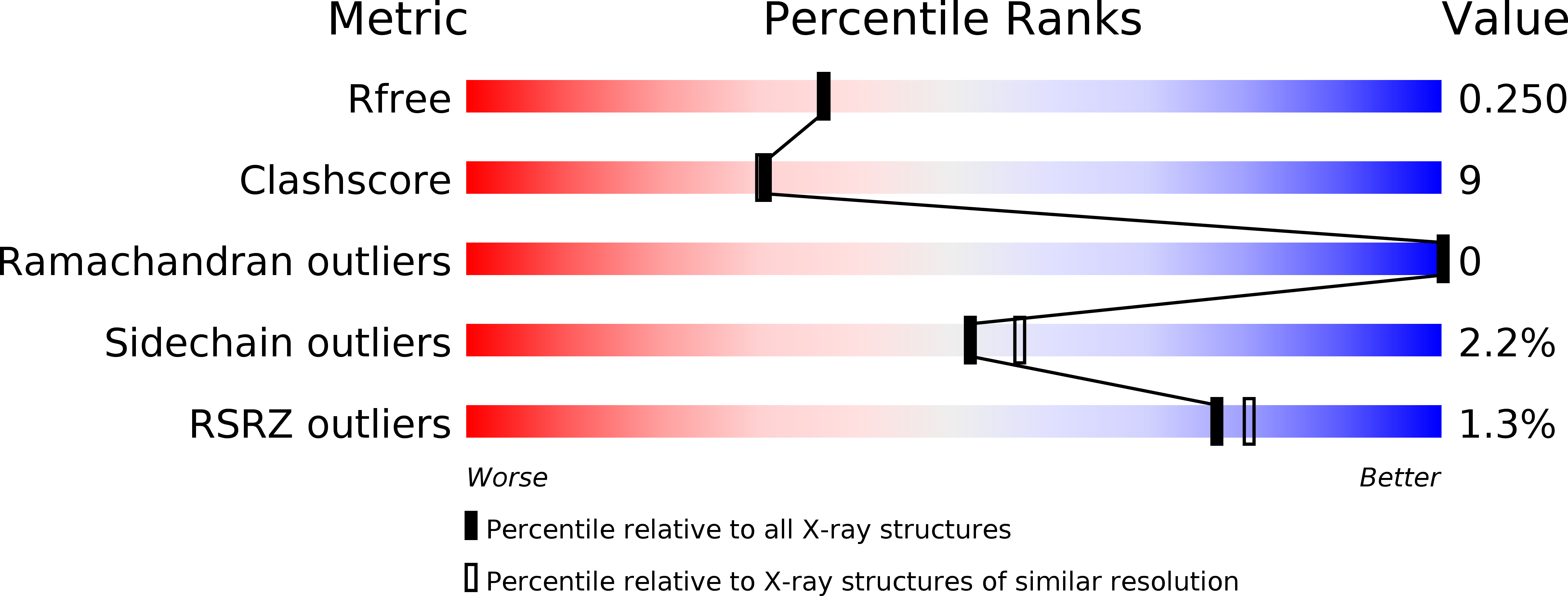
Macromolecular Entities
Structures with similar UniProt ID
Protein Blast
Polymer Type:polypeptide(L)
Molecule:MAJOR POLLEN ALLERGEN BET V 1-A
Gene (Uniprot):BETVIA
Chain IDs:A
Chain Length:159
Number of Molecules:1
Biological Source:BETULA PENDULA
Primary Citation
Crystallographically Mapped Ligand Binding Differs in High and Low Ige Binding Isoforms of Birch Pollen Allergen Bet V 1.
J.Mol.Biol. 422 109 ? (2012)
PMID: 22634284 DOI: 10.1016/J.JMB.2012.05.016

Abstact

The ability of pathogenesis-related proteins of family 10 to bind a broad spectrum of ligands is considered to play a key role for their physiological and pathological functions. In particular, Bet v 1, an archetypical allergen from birch pollen, is described as a highly promiscuous ligand acceptor. However, the detailed recognition mechanisms, including specificity factors discriminating binding properties of naturally occurring Bet v 1 variants, are poorly understood. Here, we report crystal structures of Bet v 1 variants in complex with an array of ligands at a resolution of up to 1.2 Å. Residue 30 within the hydrophobic pocket not only discriminates in high and low IgE binding Bet v 1 isoforms but also induces a drastic change in the binding mode of the model ligand deoxycholate. Ternary crystal structure complexes of Bet v 1 with several ligands together with the fluorogenic reporter 1-anilino-8-naphthalene sulfonate explain anomalous fluorescence binding curves obtained from 1-anilino-8-naphthalene sulfonate displacement assays. The structures reveal key interaction residues such as Tyr83 and rationalize both the binding specificity and promiscuity of the so-called hydrophobic pocket in Bet v 1. The intermolecular interactions of Bet v 1 reveal an unexpected complexity that will be indispensable to fully understand its roles within the physiological and allergenic context.

Legend

Protein

Chemical

Disease

Primary Citation of related structures
Feedback Form
Name
Email
Institute
Feedback