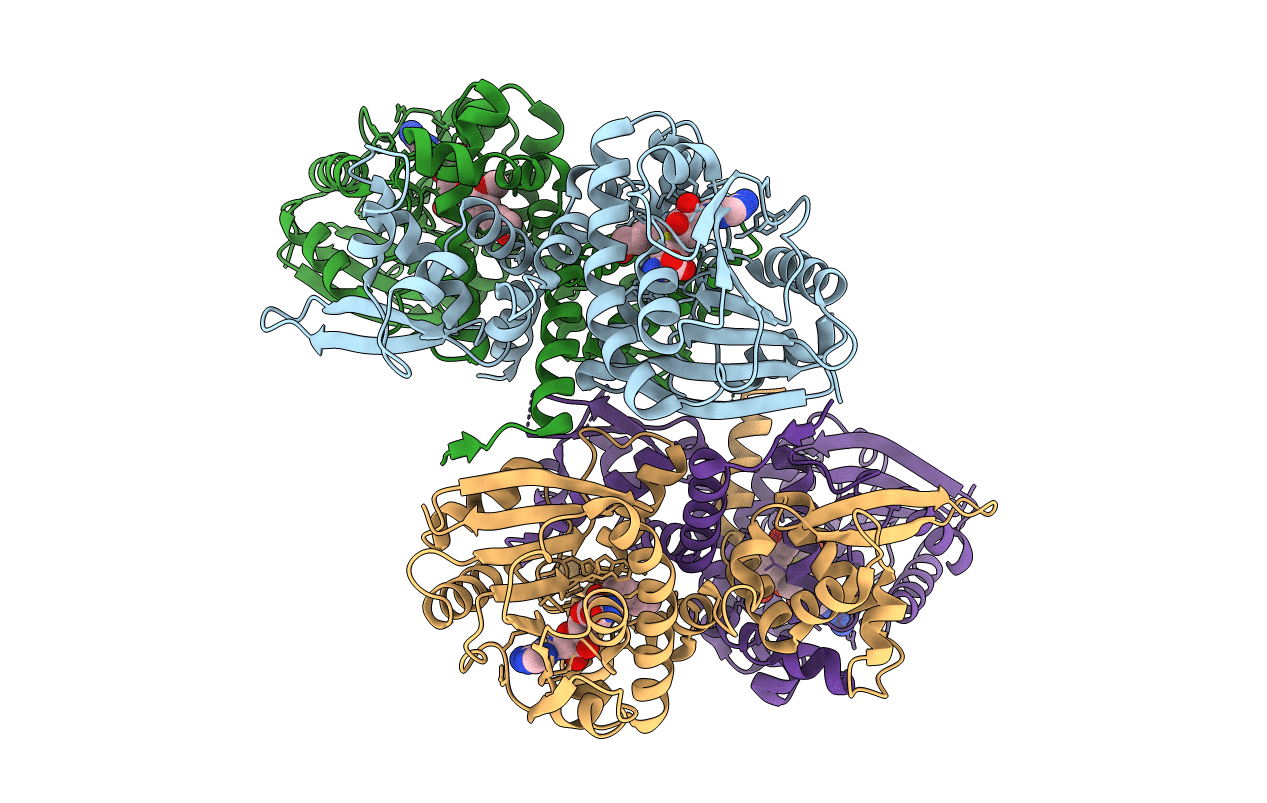
3TKY image
Deposition Date 2011-08-29
Release Date 2012-08-29
Last Version Date 2023-09-13
Entry Detail
PDB ID:
3TKY
Keywords:
Title:
Monolignol o-methyltransferase (momt)
Biological Source:
Source Organism(s):
Expression System(s):
Method Details:
Experimental Method:
Resolution:
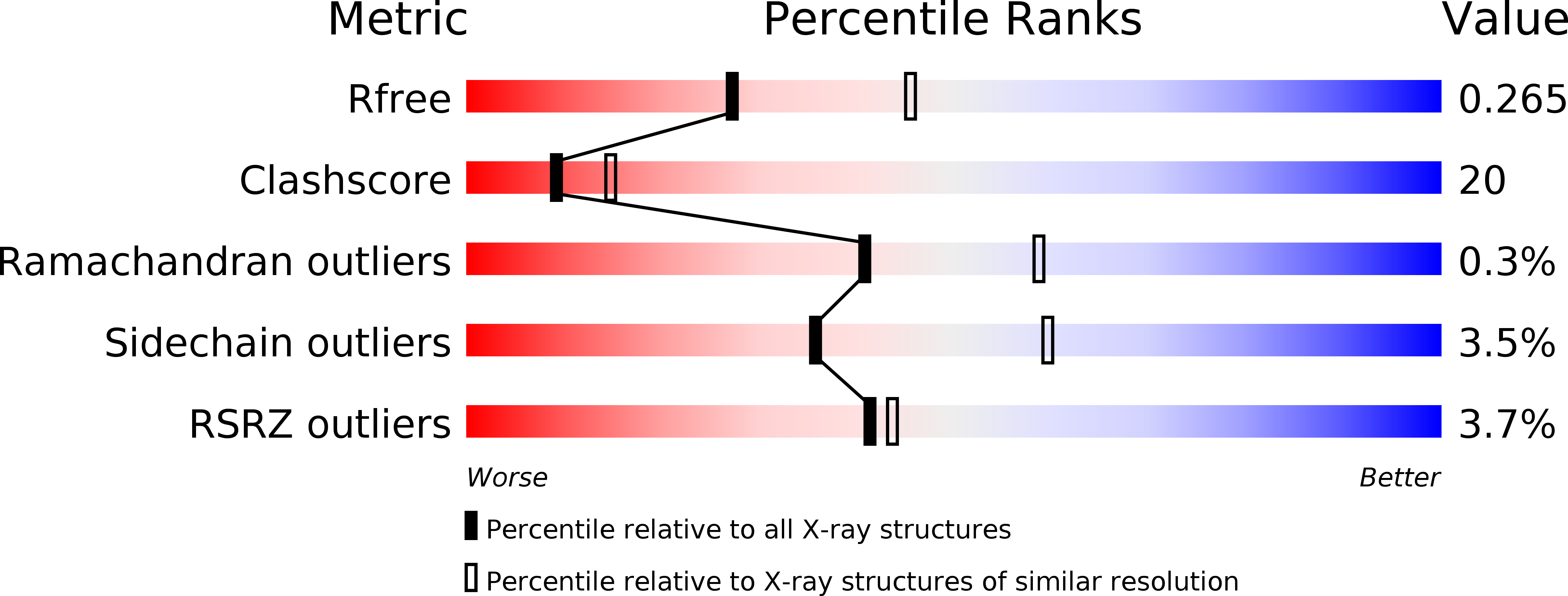
2.47 Å
R-Value Free:
0.26
R-Value Work:
0.19
R-Value Observed:
0.19
Space Group:
P 1 21 1
Macromolecular Entities
Structures with similar UniProt ID
Protein Blast
Polymer Type:polypeptide(L)
Molecule:(Iso)eugenol O-methyltransferase
Gene (Uniprot):IEMT1
Mutagens:T133L, E165I, F175I
Chain IDs:A, B, C, D
Chain Length:368
Number of Molecules:4
Biological Source:Clarkia breweri
Primary Citation
An engineered monolignol 4-o-methyltransferase depresses lignin biosynthesis and confers novel metabolic capability in Arabidopsis.
Plant Cell 24 3135 3152 (2012)
PMID: 22851762 DOI: 10.1105/tpc.112.101287

Abstact

Although the practice of protein engineering is industrially fruitful in creating biocatalysts and therapeutic proteins, applications of analogous techniques in the field of plant metabolic engineering are still in their infancy. Lignins are aromatic natural polymers derived from the oxidative polymerization of primarily three different hydroxycinnamyl alcohols, the monolignols. Polymerization of lignin starts with the oxidation of monolignols, followed by endwise cross-coupling of (radicals of) a monolignol and the growing oligomer/polymer. The para-hydroxyl of each monolignol is crucial for radical generation and subsequent coupling. Here, we describe the structure-function analysis and catalytic improvement of an artificial monolignol 4-O-methyltransferase created by iterative saturation mutagenesis and its use in modulating lignin and phenylpropanoid biosynthesis. We show that expressing the created enzyme in planta, thus etherifying the para-hydroxyls of lignin monomeric precursors, denies the derived monolignols any participation in the subsequent coupling process, substantially reducing lignification and, ultimately, lignin content. Concomitantly, the transgenic plants accumulated de novo synthesized 4-O-methylated soluble phenolics and wall-bound esters. The lower lignin levels of transgenic plants resulted in higher saccharification yields. Our study, through a structure-based protein engineering approach, offers a novel strategy for modulating phenylpropanoid/lignin biosynthesis to improve cell wall digestibility and diversify the repertories of biologically active compounds.

Legend

Protein

Chemical

Disease

Primary Citation of related structures
Feedback Form
Name
Email
Institute
Feedback