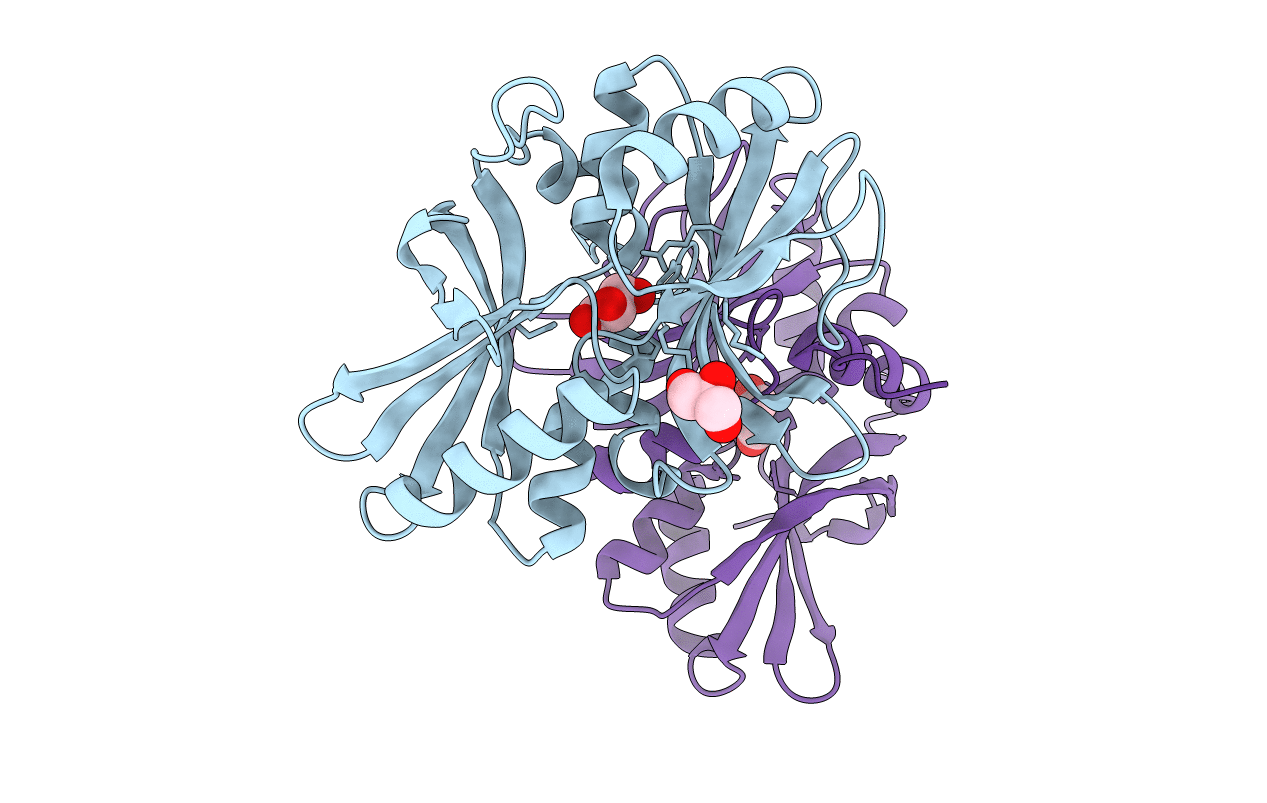
3NEK image
Deposition Date 2010-06-09
Release Date 2010-06-23
Last Version Date 2024-11-06
Entry Detail
PDB ID:
3NEK
Title:
Crystal structure of a nitrogen repressor-like protein MJ0159 from Methanococcus jannaschii
Biological Source:
Source Organism:
Host Organism:
Method Details:
Experimental Method:
Resolution:
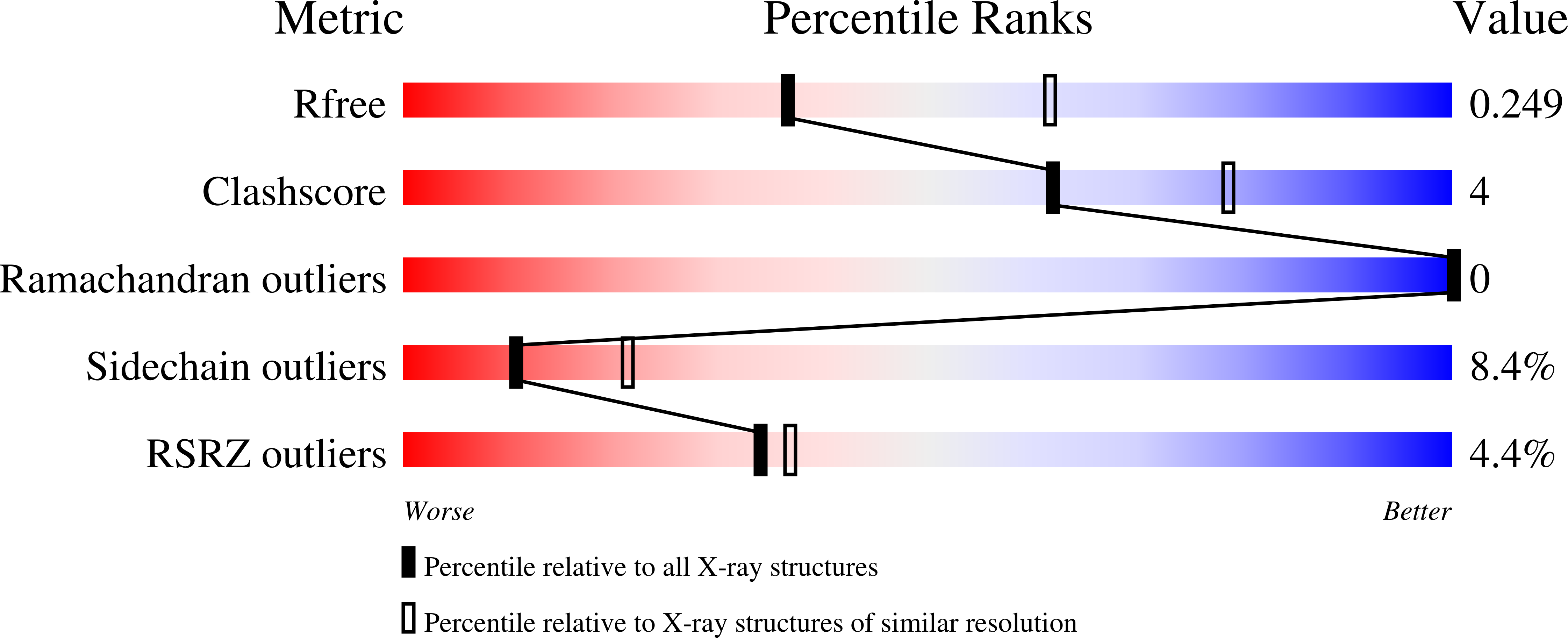
2.50 Å
R-Value Free:
0.27
R-Value Work:
0.24
R-Value Observed:
0.24
Space Group:
P 31 2 1
Macromolecular Entities
Structures with similar UniProt ID
Protein Blast
Polymer Type:polypeptide(L)
Molecule:nitrogen repressor-like protein MJ0159
Gene (Uniprot):nrpR
Chain IDs:A, B
Chain Length:238
Number of Molecules:2
Biological Source:Methanocaldococcus jannaschii
Modified Residue
Compound ID Chain ID Parent Comp ID Details 2D Image
MSE A MET SELENOMETHIONINE
Ligand Molecules
Primary Citation
Structural underpinnings of nitrogen regulation by the prototypical nitrogen-responsive transcriptional factor NrpR.
Structure 18 1512 1521 (2010)
PMID: 21070950 DOI: 10.1016/j.str.2010.08.014

Abstact

Plants and microorganisms reduce environmental inorganic nitrogen to ammonium, which then enters various metabolic pathways solely via conversion of 2-oxoglutarate (2OG) to glutamate and glutamine. Cellular 2OG concentrations increase during nitrogen starvation. We recently identified a family of 2OG-sensing proteins--the nitrogen regulatory protein NrpR--that bind DNA and repress transcription of nitrogen assimilation genes. We used X-ray crystallography to determine the structure of NrpR regulatory domain. We identified the NrpR 2OG-binding cleft and show that residues predicted to interact directly with 2OG are conserved among diverse classes of 2OG-binding proteins. We show that high levels of 2OG inhibit NrpRs ability to bind DNA. Electron microscopy analyses document that NrpR adopts different quaternary structures in its inhibited 2OG-bound state compared with its active apo state. Our results indicate that upon 2OG release, NrpR repositions its DNA-binding domains correctly for optimal interaction with DNA thereby enabling gene repression.

Legend

Protein

Chemical

Disease

Primary Citation of related structures
Feedback Form
Name
Email
Institute
Feedback