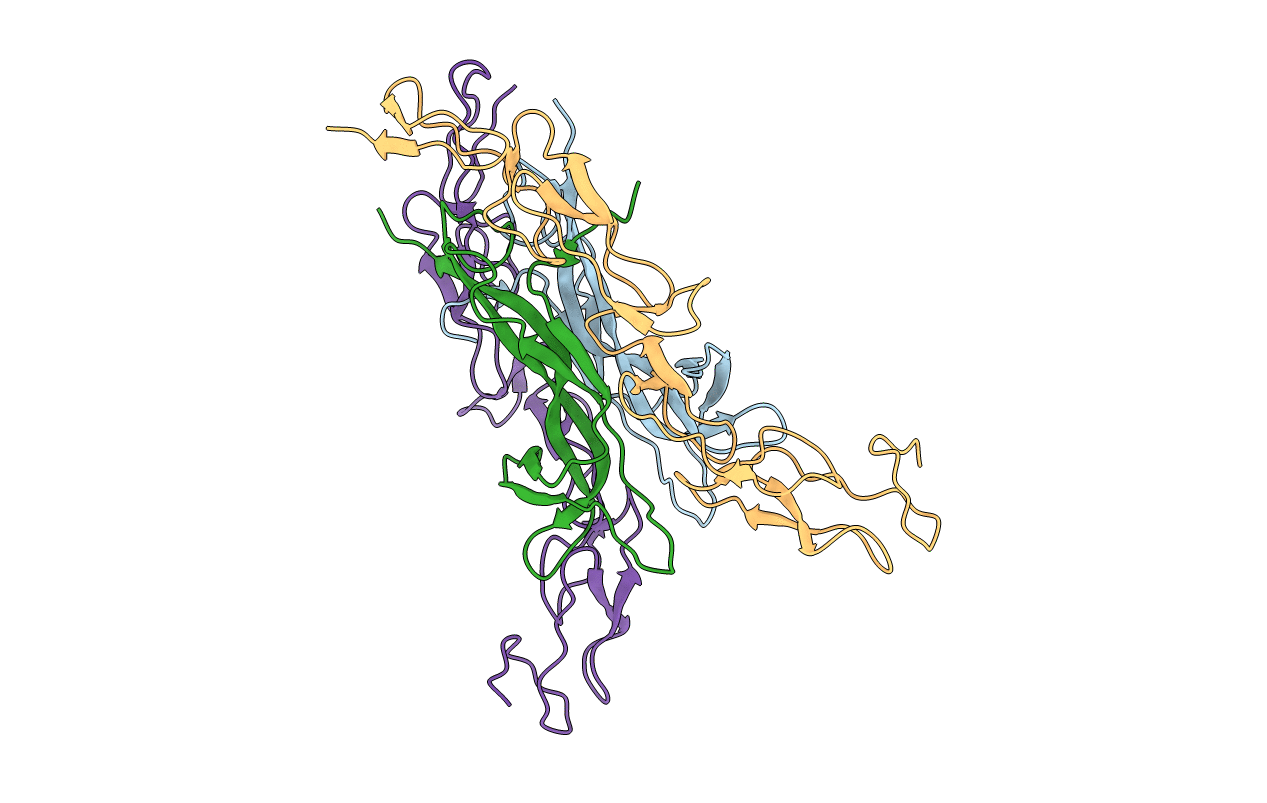
3IJ2 image
Deposition Date 2009-08-03
Release Date 2010-01-12
Last Version Date 2024-11-27
Entry Detail
PDB ID:
3IJ2
Title:
Ligand-receptor structure
Biological Source:
Source Organism(s):
Mus musculus (Taxon ID: 10090)
Rattus norvegicus (Taxon ID: 10116)
Expression System(s):
Method Details:
Experimental Method:
Resolution:
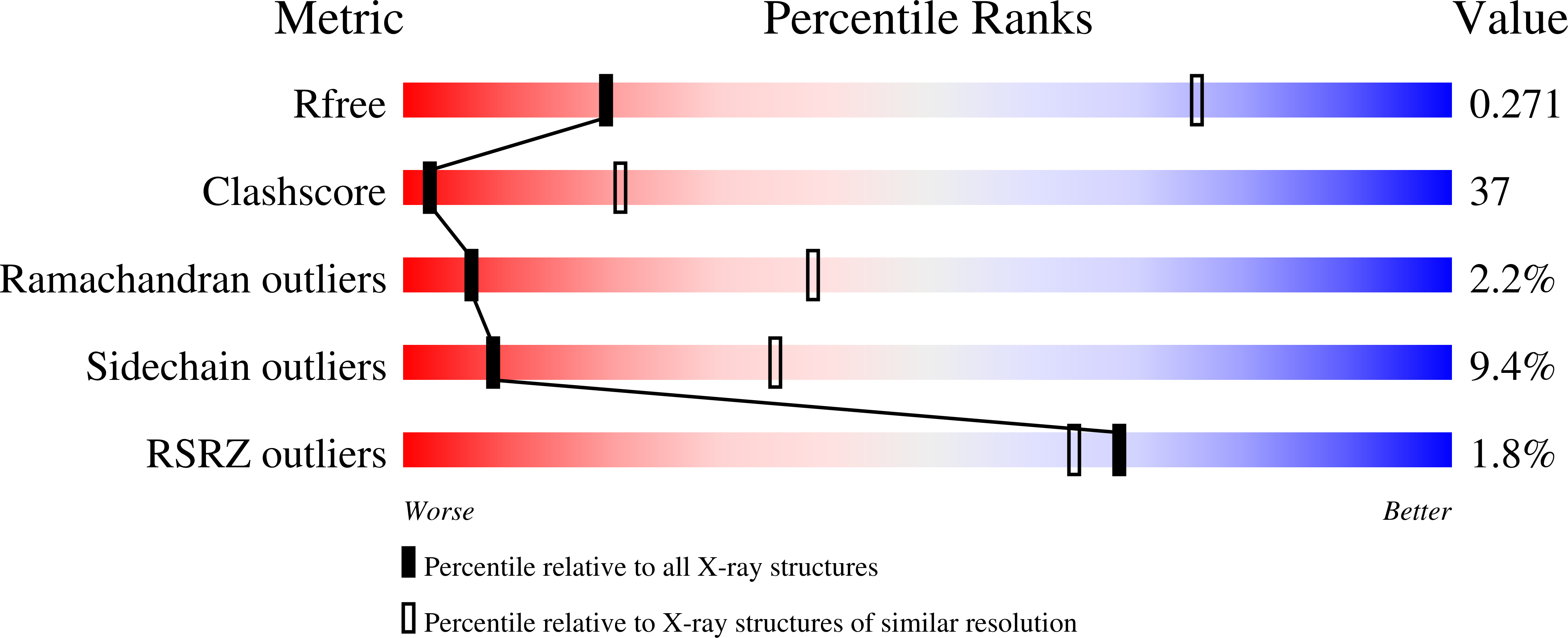
3.75 Å
R-Value Free:
0.27
R-Value Work:
0.25
R-Value Observed:
0.25
Space Group:
P 32 2 1
Macromolecular Entities
Structures with similar UniProt ID
Protein Blast
Polymer Type:polypeptide(L)
Molecule:Beta-nerve growth factor
Gene (Uniprot):Ngf
Chain IDs:A, C (auth: B)
Chain Length:230
Number of Molecules:2
Biological Source:Mus musculus
Structures with similar UniProt ID
Protein Blast
Polymer Type:polypeptide(L)
Molecule:Nerve growth factor receptor (TNFR superfamily, member 16)
Gene (Uniprot):Ngfr
Chain IDs:B (auth: X), D (auth: Y)
Chain Length:171
Number of Molecules:2
Biological Source:Rattus norvegicus
Ligand Molecules
Primary Citation
Molecular and structural insight into proNGF engagement of p75NTR and sortilin.
J.Mol.Biol. 396 967 984 (2010)
PMID: 20036257 DOI: 10.1016/j.jmb.2009.12.030

Abstact

Nerve growth factor (NGF) is initially synthesized as a precursor, proNGF, that is cleaved to release its C-terminal mature form. Recent studies suggested that proNGF is not an inactive precursor but acts as a signaling ligand distinct from its mature counterpart. proNGF and mature NGF initiate opposing biological responses by utilizing both distinct and shared receptor components. In this study, we carried out structural and biochemical characterization of proNGF interactions with p75NTR and sortilin. We crystallized proNGF complexed to p75NTR and present the structure at 3.75-A resolution. The structure reveals a 2:2 symmetric binding mode, as compared with the asymmetric structure of a previously reported crystal structure of mature NGF complexed to p75NTR and the 2:2 symmetric complex of neurotrophin-3 (NT-3) and p75NTR. Here, we discuss the possible origins and implications of the different stoichiometries. In the proNGF-p75NTR complex, the pro regions of proNGF are mostly disordered and two hairpin loops (loop 2) at the top of the NGF dimer have undergone conformational changes in comparison with mature NT structures, suggesting possible interactions with the propeptide. We further explored the binding characteristics of proNGF to sortilin using surface plasmon resonance and cell-based assays and determined that calcium ions promote the formation of a stable ternary complex of proNGF-sortilin-p75NTR. These results, together with those of previous structural and mechanistic studies of NT-receptor interactions, suggest the potential for distinct signaling activities through p75NTR mediated by different NT-induced conformational changes.

Legend

Protein

Chemical

Disease

Primary Citation of related structures
Feedback Form
Name
Email
Institute
Feedback