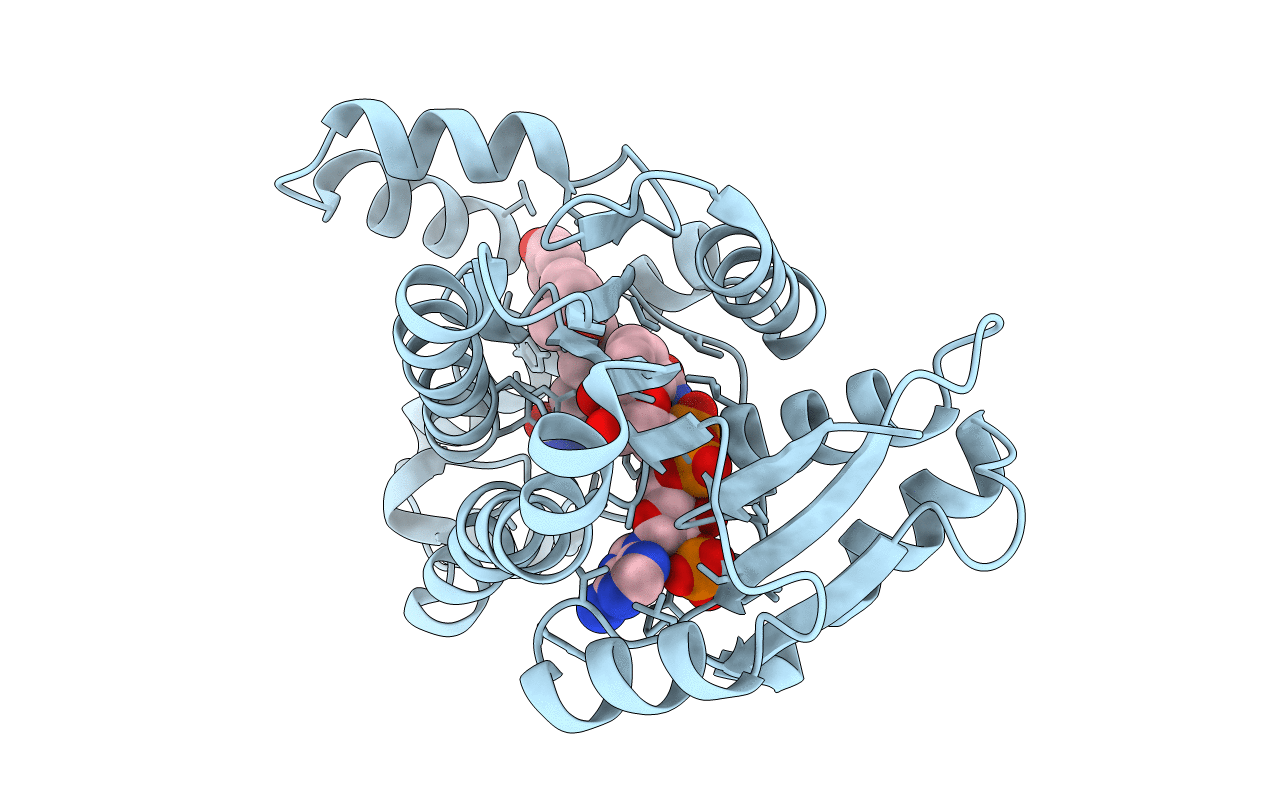
3HB5 image
Deposition Date 2009-05-04
Release Date 2009-12-15
Last Version Date 2024-02-21
Entry Detail
PDB ID:
3HB5
Keywords:
Title:
Binary and ternary crystal structures of a novel inhibitor of 17 beta-HSD type 1: a lead compound for breast cancer therapy
Biological Source:
Source Organism:
Homo sapiens (Taxon ID: 9606)
Method Details:
Experimental Method:
Resolution:
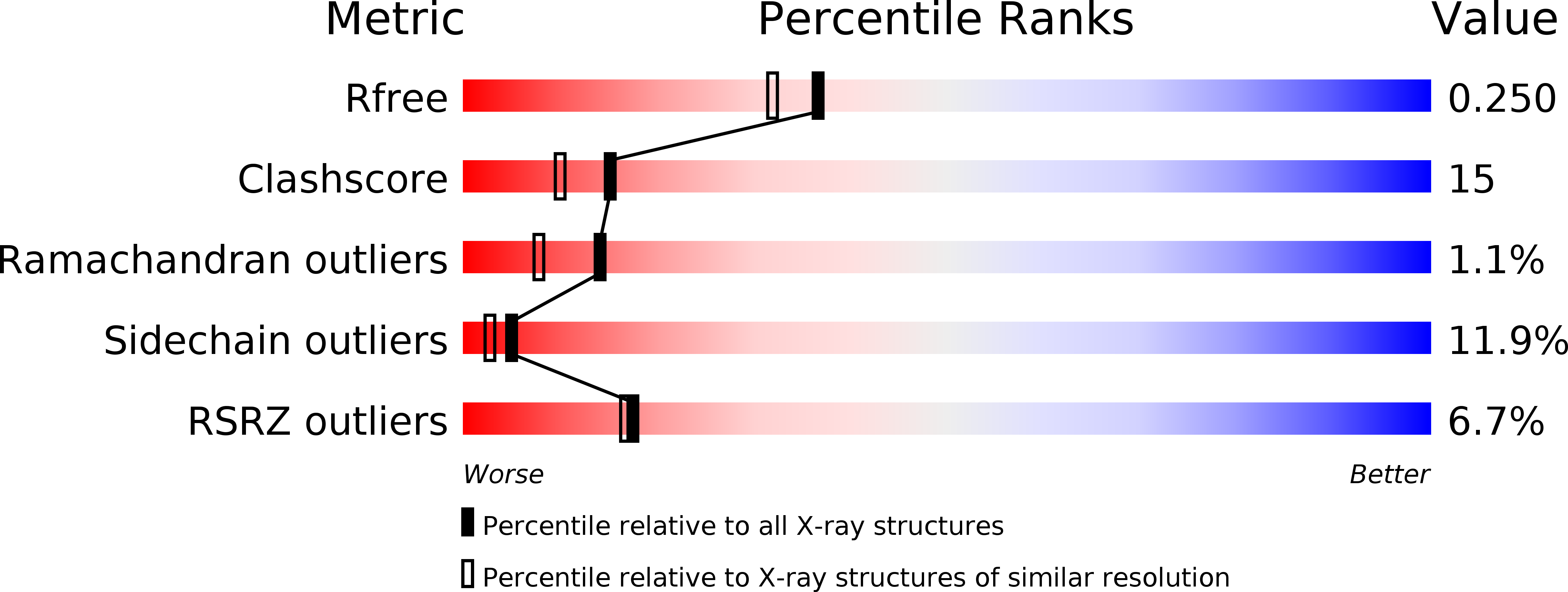
2.00 Å
R-Value Free:
0.24
R-Value Work:
0.20
R-Value Observed:
0.20
Space Group:
C 1 2 1
Macromolecular Entities
Structures with similar UniProt ID
Protein Blast
Polymer Type:polypeptide(L)
Molecule:Estradiol 17-beta-dehydrogenase 1
Gene (Uniprot):HSD17B1
Chain IDs:A (auth: X)
Chain Length:327
Number of Molecules:1
Biological Source:Homo sapiens
Primary Citation
Binary and ternary crystal structure analyses of a novel inhibitor with 17beta-HSD type 1: a lead compound for breast cancer therapy.
Biochem.J. 424 357 366 (2009)
PMID: 19929851 DOI: 10.1042/BJ20091020

Abstact

Oestradiol is a well-characterized sex hormone that stimulates breast cancer and other oestrogen-related diseases. 17beta-hydroxysteroid dehydrogenase type 1 (17beta-HSD1) catalyses the last step in the synthesis of oestradiol and androstenediol in breast tumour tissue. The enzyme's high expression and activity after simultaneous blockade of oestrogen receptors and inhibition of aromatase in the tumour shows the necessity for its inhibition as a requirement for breast cancer therapy. In the present paper, we report structures of the binary and ternary complexes of 17beta-HSD1 with a new inhibitor E2B {3-[3',17'beta-dihydroxyestra-1',3',5'(10')-trien-16'beta-methyl]benzamide}, and the enzyme inhibition by the later. The IC50 value for E2B was determined to be 42 nM in T47D cells. Multiple interactions between E2B and the enzyme include hydrogen bonds and hydrophobic interactions, as well as pi-pi interactions. A kinetic study demonstrated that E2B inhibits the enzyme's reduction forming oestradiol from oestrone, with a Ki of 0.9+/-0.15 nM. Such strong inhibition is in agreement with its extensive interaction with the enzyme, suggesting its potential as a lead compound for breast cancer therapy. In fact, this possibility is enhanced by its capacity for cell penetration similar to natural steroids. Such inhibitors that block oestrogen synthesis to suppress the sulfatase pathway producing oestradiol can be used in adjuvant therapies with oestrogen receptor blockade, opening a new orientation of breast cancer treatment.

Legend

Protein

Chemical

Disease

Primary Citation of related structures
Feedback Form
Name
Email
Institute
Feedback