2ZCM image
Deposition Date 2007-11-10
Release Date 2008-02-05
Last Version Date 2024-10-23
Entry Detail
PDB ID:
2ZCM
Keywords:
Title:
Crystal structure of IcaR, a repressor of the TetR family
Biological Source:
Source Organism:
Method Details:
Experimental Method:
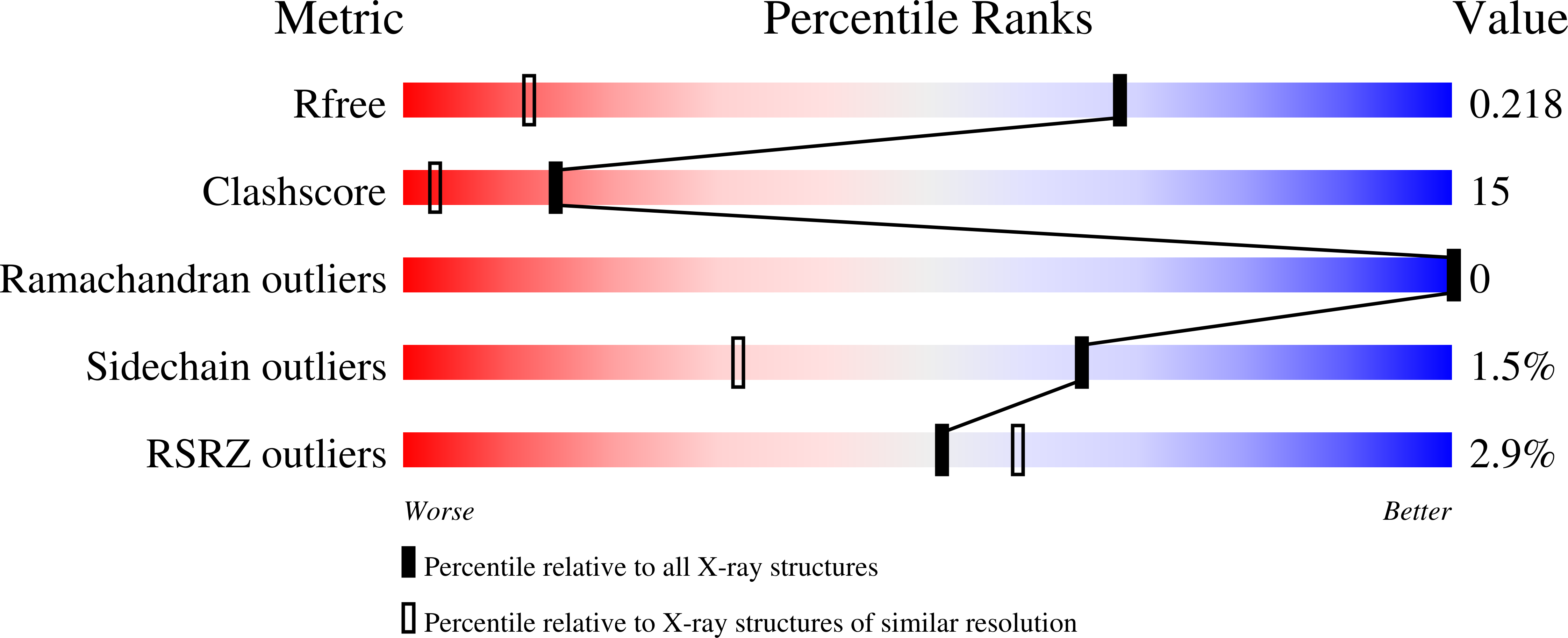
Resolution:
1.33 Å
R-Value Free:
0.22
R-Value Work:
0.19
Space Group:
P 1 21 1
Macromolecular Entities
Structures with similar UniProt ID
Protein Blast
Polymer Type:polypeptide(L)
Molecule:Biofilm operon icaABCD HTH-type negative transcriptional regulator icaR
Gene (Uniprot):icaR
Mutagens:L63M, L64M, L143M, L146M
Chain IDs:A, B
Chain Length:192
Number of Molecules:2
Biological Source:Staphylococcus epidermidis
Modified Residue
Compound ID Chain ID Parent Comp ID Details 2D Image
MSE A MET SELENOMETHIONINE
Primary Citation
Crystal structure of IcaR, a repressor of the TetR family implicated in biofilm formation in Staphylococcus epidermidis
Nucleic Acids Res. 36 1567 1577 (2008)
PMID: 18208836 DOI: 10.1093/nar/gkm1176

Abstact

Expression of the gene cluster icaADBC is necessary for biofilm production in Staphylococcus epidermidis. The ica operon is negatively controlled by the repressor IcaR. Here, the crystal structure of IcaR was determined and the refined structure revealed a homodimer comprising entirely alpha-helices, typical of the tetracycline repressor protein family for gene regulations. The N-terminal domain contains a conserved helix-turn-helix DNA-binding motif with some conformational variations, indicating flexibility in this region. The C-terminal domain shows a complementary surface charge distribution about the dyad axis, ideal for efficient and specific dimer formation. The results of the electrophoretic mobility shift assay and isothermal titration calorimetry suggested that a 28 bp core segment of the ica operator is implicated in the cooperative binding of two IcaR dimers on opposite sides of the duplex DNA. Computer modeling based on the known DNA-complex structure of QacR and site-specific mutagenesis experiments showed that direct protein-DNA interactions are mostly conserved, but with slight variations for recognizing the different sequences. By interfering with the binding of IcaR to DNA, aminoglycoside gentamicin and other antibiotics may activate the icaADBC genes and elicit biofilm production in S. epidermidis, and likely S. aureus, as a defense mechanism.

Legend

Protein

Chemical

Disease

Primary Citation of related structures
Feedback Form
Name
Email
Institute
Feedback