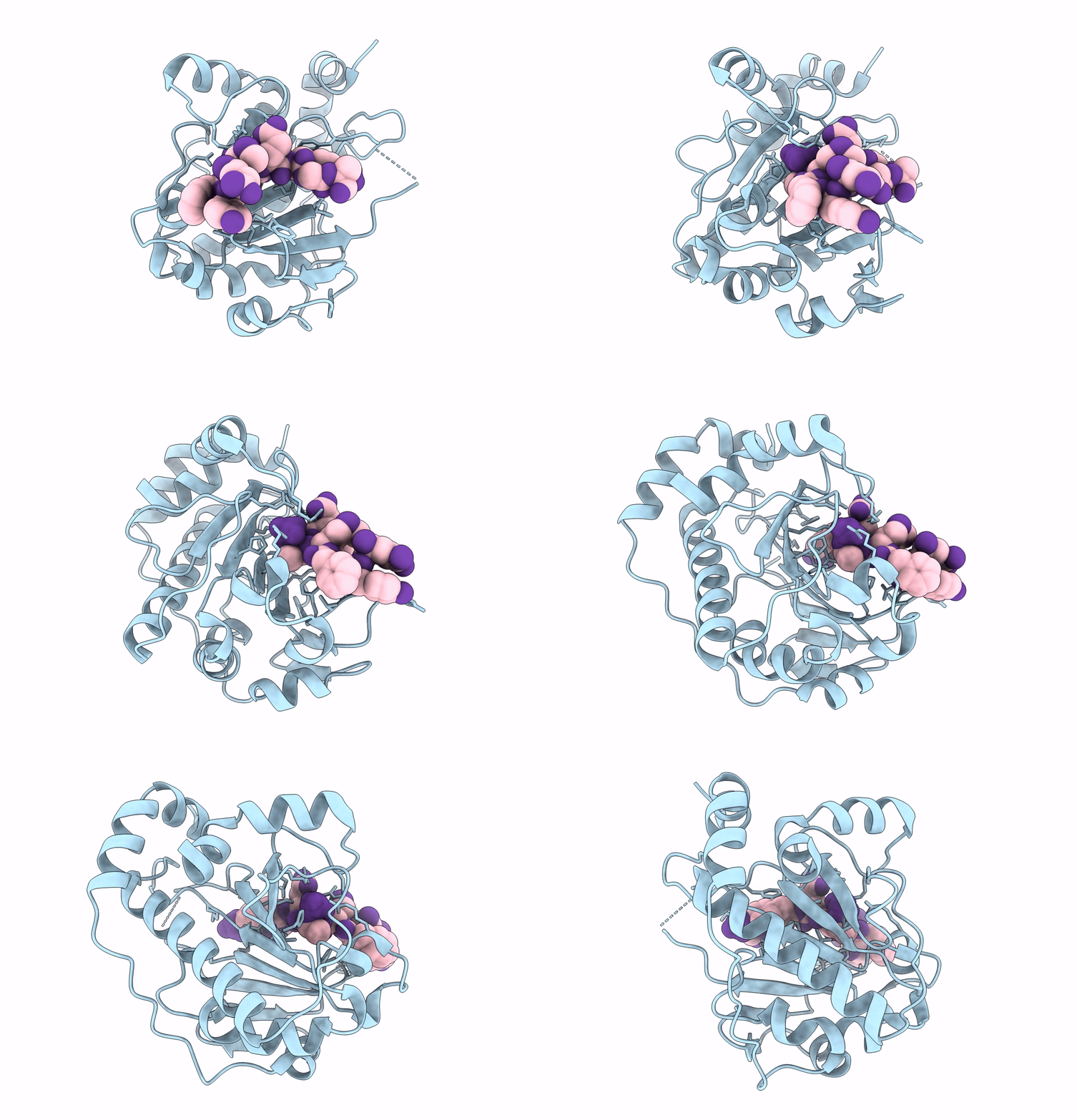
2Q8Y image
Deposition Date 2007-06-12
Release Date 2007-12-11
Last Version Date 2024-10-09
Entry Detail
PDB ID:
2Q8Y
Title:
Structural insight into the enzymatic mechanism of the phophothreonine lyase
Biological Source:
Source Organism:
Method Details:
Experimental Method:
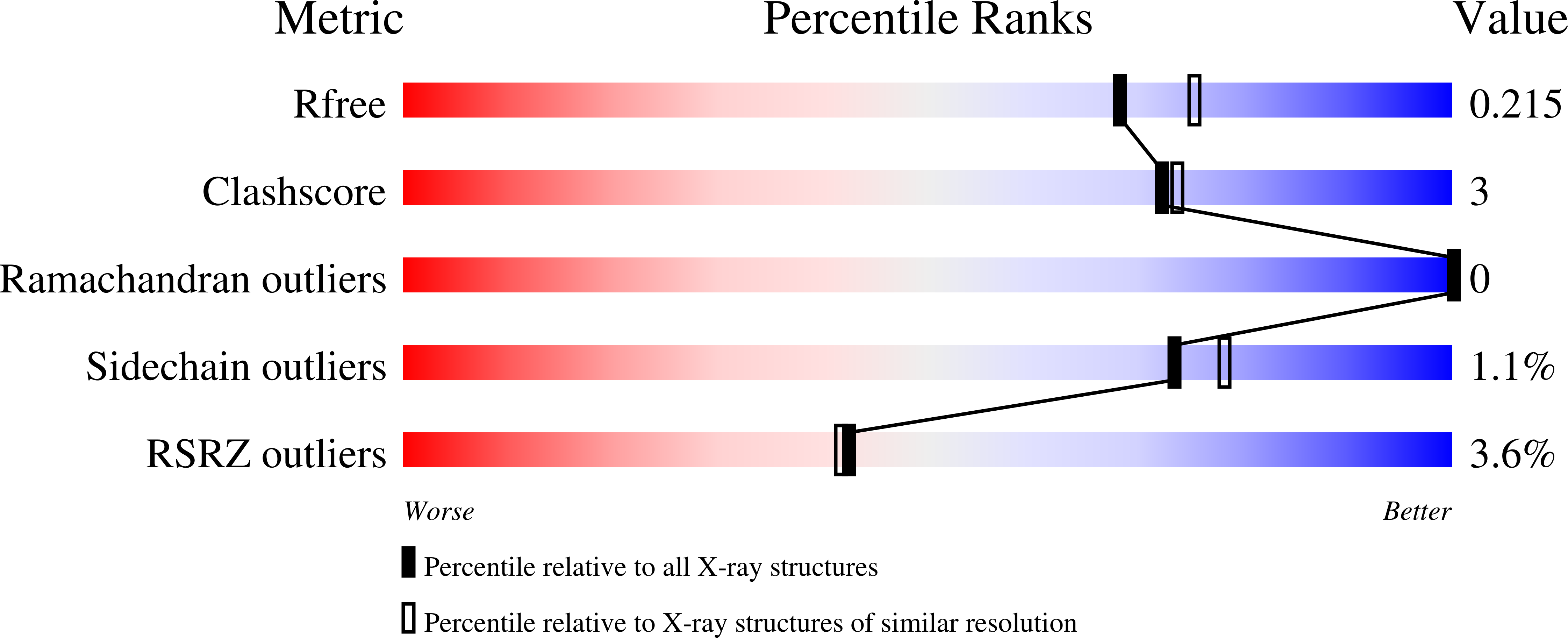
Resolution:
2.00 Å
R-Value Free:
0.21
R-Value Work:
0.18
R-Value Observed:
0.18
Space Group:
P 21 21 21
Macromolecular Entities
Structures with similar UniProt ID
Protein Blast
Polymer Type:polypeptide(L)
Molecule:27.5 kDa virulence protein
Gene (Uniprot):spvC
Mutagens:K136A
Chain IDs:A
Chain Length:241
Number of Molecules:1
Biological Source:Salmonella enteritidis
Structures with similar UniProt ID
Protein Blast
Polymer Type:polypeptide(L)
Molecule:Mitogen-activated protein kinase 7
Gene (Uniprot):MAPK7
Chain IDs:B
Chain Length:9
Number of Molecules:1
Biological Source:Homo Sapiens
Modified Residue
Compound ID Chain ID Parent Comp ID Details 2D Image
PTR B TYR O-PHOSPHOTYROSINE
TPO B THR PHOSPHOTHREONINE
Primary Citation
Structural insights into the enzymatic mechanism of the pathogenic MAPK phosphothreonine lyase
Mol.Cell 28 899 913 (2007)
PMID: 18060821 DOI: 10.1016/j.molcel.2007.11.011

Abstact

The OspF family of phosphothreonine lyase, including SpvC from Salmonella, irreversibly inactivates the dual-phosphorylated host MAPKs (pT-X-pY) through beta elimination. We determined crystal structures of SpvC and its complex with a phosphopeptide substrate. SpvC adopts a unique fold of alpha/beta type. The disordered N terminus harbors a canonical D motif for MAPK substrate docking. The enzyme-substrate complex structure indicates that recognition of the phosphotyrosine followed by insertion of the threonine phosphate into an arginine pocket places the phosphothreonine into the enzyme active site. This requires the conformational flexibility of pT-X-pY, which suggests that p38 (pT-G-pY) is likely the preferred physiological substrate. Structure-based biochemical and enzymatic analysis allows us to propose a general acid/base mechanism for beta elimination reaction catalyzed by the phosphothreonine lyase. The mechanism described here provides a structural understanding of MAPK inactivation by a family of pathogenic effectors conserved in plant and animal systems and may also open a new route for biological catalysis.

Legend

Protein

Chemical

Disease

Primary Citation of related structures
Feedback Form
Name
Email
Institute
Feedback