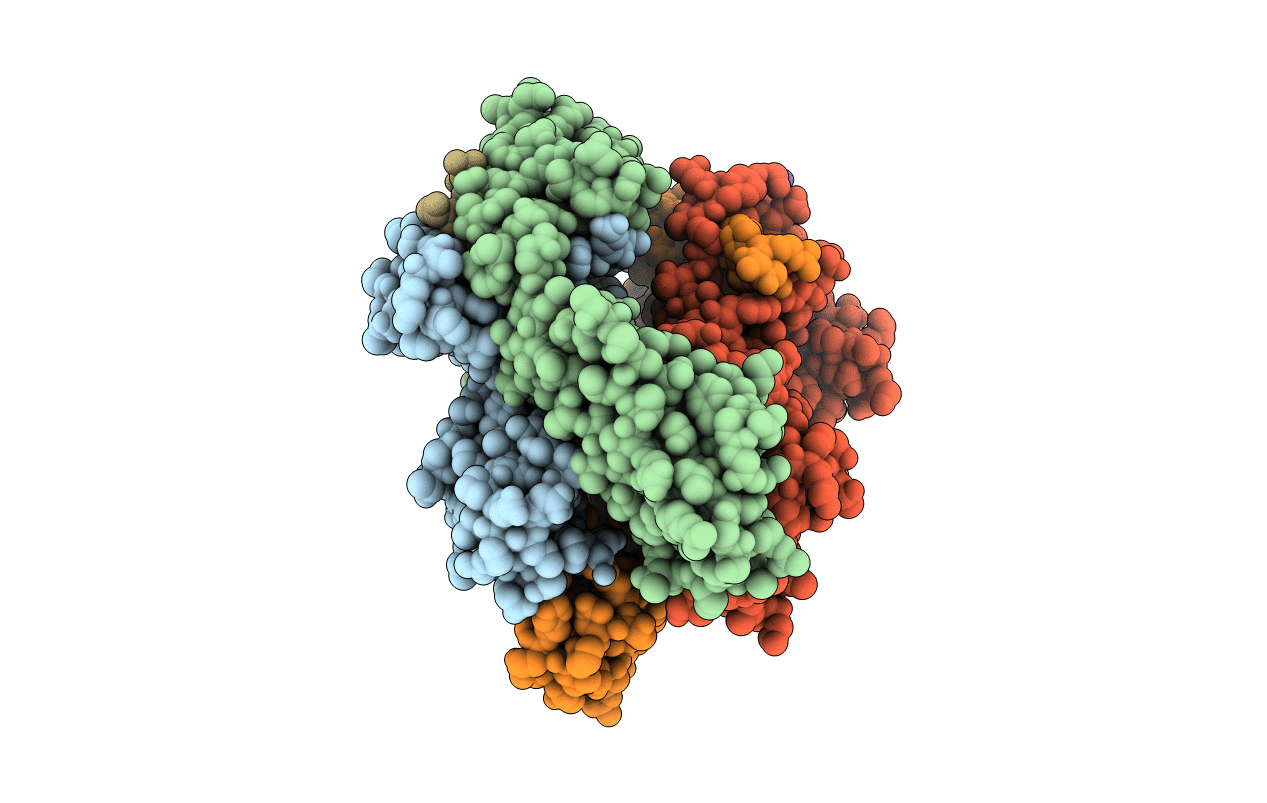
2Q6W image
Deposition Date 2007-06-05
Release Date 2007-07-24
Last Version Date 2024-10-16
Entry Detail
PDB ID:
2Q6W
Keywords:
Title:
The structure of HLA-DRA, DRB3*0101 (DR52a) with bound platelet integrin peptide associated with fetal and neonatal alloimmune thrombocytopenia
Biological Source:
Source Organism:
Homo sapiens (Taxon ID: 9606)
Host Organism:
Method Details:
Experimental Method:
Resolution:
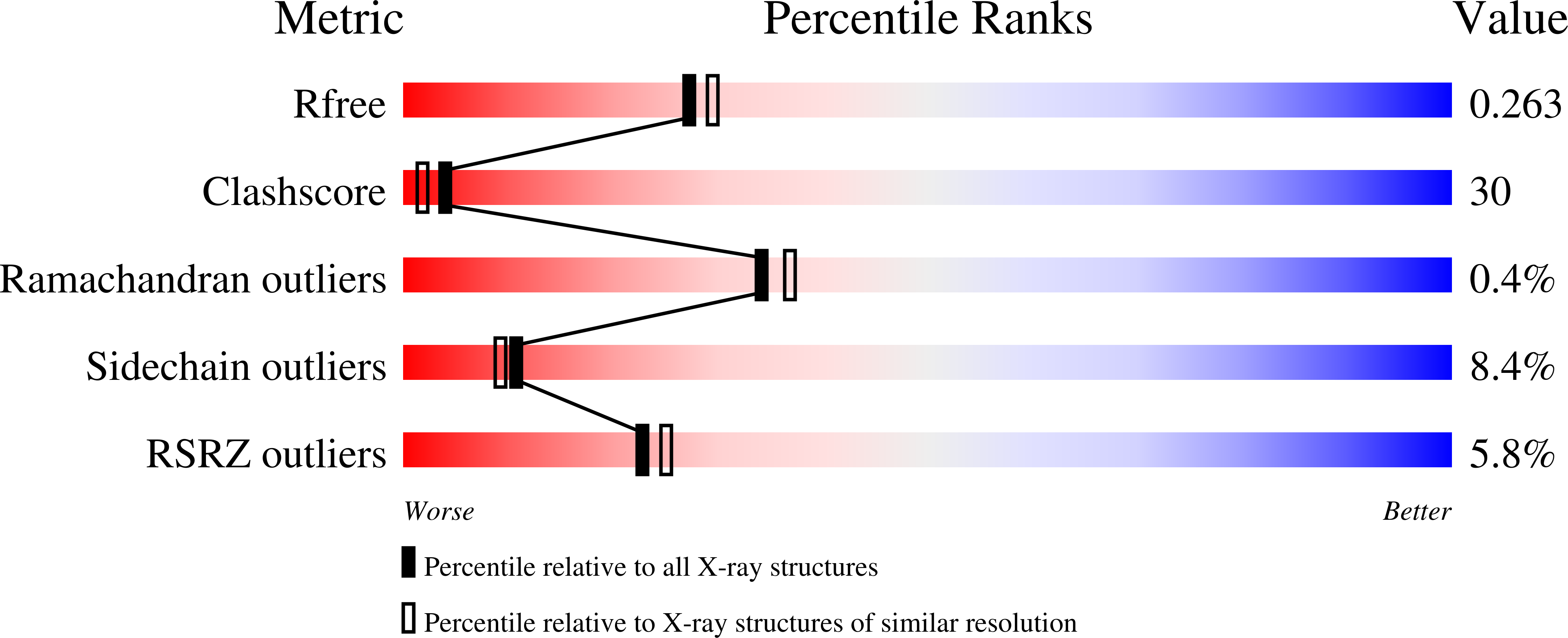
2.25 Å
R-Value Free:
0.26
R-Value Work:
0.20
R-Value Observed:
0.21
Space Group:
P 41 21 2
Macromolecular Entities
Structures with similar UniProt ID
Protein Blast
Polymer Type:polypeptide(L)
Molecule:HLA class II histocompatibility antigen, DR alpha chain
Gene (Uniprot):HLA-DRA
Chain IDs:A, D
Chain Length:182
Number of Molecules:2
Biological Source:Homo sapiens
Structures with similar UniProt ID
Protein Blast
Polymer Type:polypeptide(L)
Molecule:HLA class II histocompatibility antigen, DRB3-1 beta chain
Gene (Uniprot):HLA-DRB3
Chain IDs:B, E
Chain Length:190
Number of Molecules:2
Biological Source:Homo sapiens
Structures with similar UniProt ID
Protein Blast
Polymer Type:polypeptide(L)
Molecule:Integrin beta-3
Gene (Uniprot):ITGB3
Mutagens:C26R
Chain IDs:C, F
Chain Length:12
Number of Molecules:2
Biological Source:Homo sapiens
Primary Citation
Crystallographic Structure of the Human Leukocyte Antigen DRA, DRB3*0101: Models of a Directional Alloimmune Response and Autoimmunity
J.Mol.Biol. 371 435 446 (2007)
PMID: 17583734 DOI: 10.1016/j.jmb.2007.05.025

Abstact

We describe structural studies of the human leukocyte antigen DR52a, HLA-DRA/DRB3*0101, in complex with an N-terminal human platelet integrin alphaII(B)betaIII glycoprotein peptide which contains a Leu/Pro dimorphism. The 33:Leu dimorphism is the epitope for the T cell directed response in neonatal alloimmune thrombocytopenia and post-transfusion purpura in individuals with the alphaII(B)betaIII 33:Pro allele, and defines the unidirectional alloimmune response. This condition is always associated with DR52a. The crystallographic structure has been refined to 2.25 A. There are two alphabeta heterodimers to the asymmetric unit in space group P4(1)2(1)2. The molecule is characterized by two prominent hydrophobic pockets at either end of the peptide binding cleft and a deep, narrower and highly charged P4 opening underneath the beta 1 chain. Further, the peptide in the second molecule displays a sharp upward turn after pocket P9. The structure reveals the role of pockets and the distinctive basic P4 pocket, shared by DR52a and DR3, in selecting their respective binding peptide repertoire. We observe an interesting switch in a residue from the canonically assigned pocket 6 seen in prior class II structures to pocket 4. This occludes the P6 pocket helping to explain the distinctive "1-4-9" peptide binding motif. A beta57 Asp-->Val substitution abrogates the salt-bridge to alpha76 Arg and along with a hydrophobic beta37 is important in shaping the P9 pocket. DRB3*0101 and DRB1*0301 belong to an ancestral haplotype and are associated with many autoimmune diseases linked to antigen presentation, but whereas DR3 is susceptible to type 1 diabetes DR52a is not. This dichotomy is explored for clues to the disease.

Legend

Protein

Chemical

Disease

Primary Citation of related structures
Feedback Form
Name
Email
Institute
Feedback