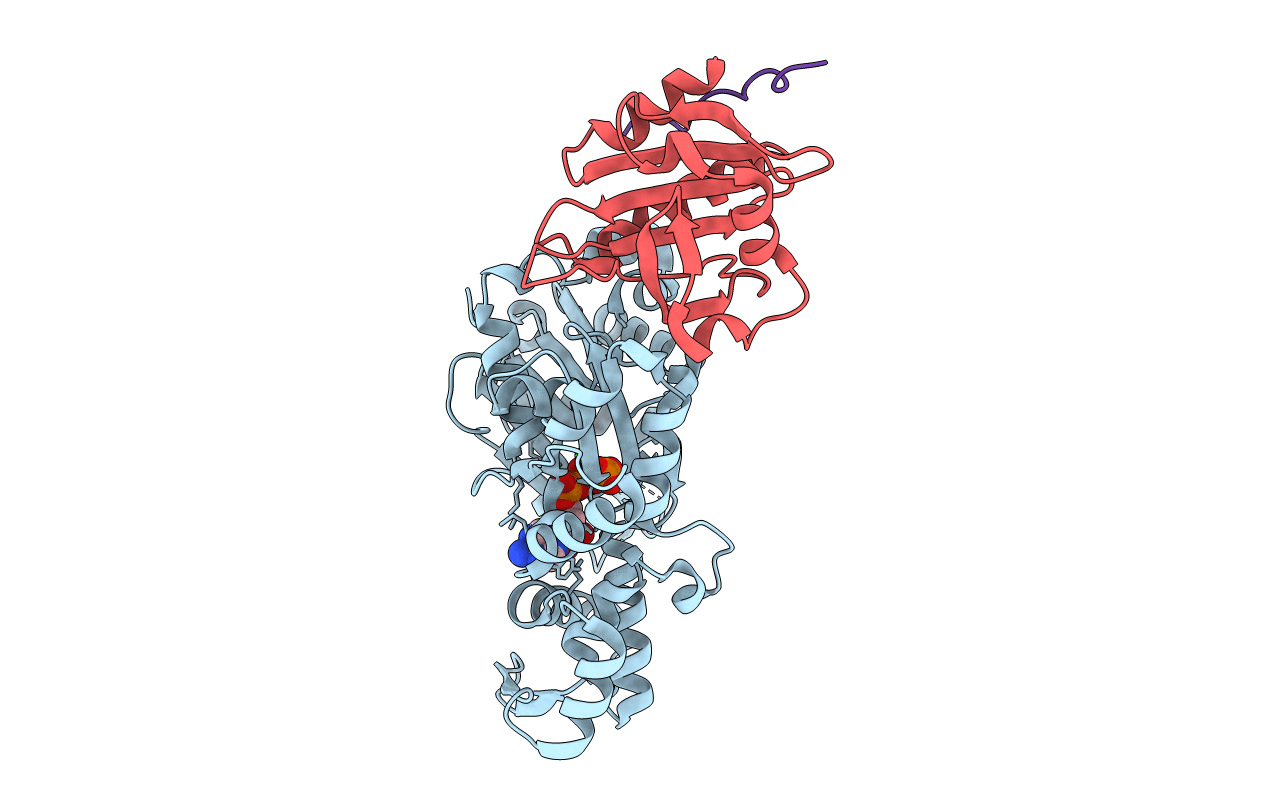
2PAV image
Deposition Date 2007-03-27
Release Date 2007-10-23
Last Version Date 2023-08-30
Entry Detail
PDB ID:
2PAV
Title:
Ternary complex of Profilin-Actin with the Last Poly-Pro of Human VASP
Biological Source:
Source Organism:
Method Details:
Experimental Method:
Resolution:
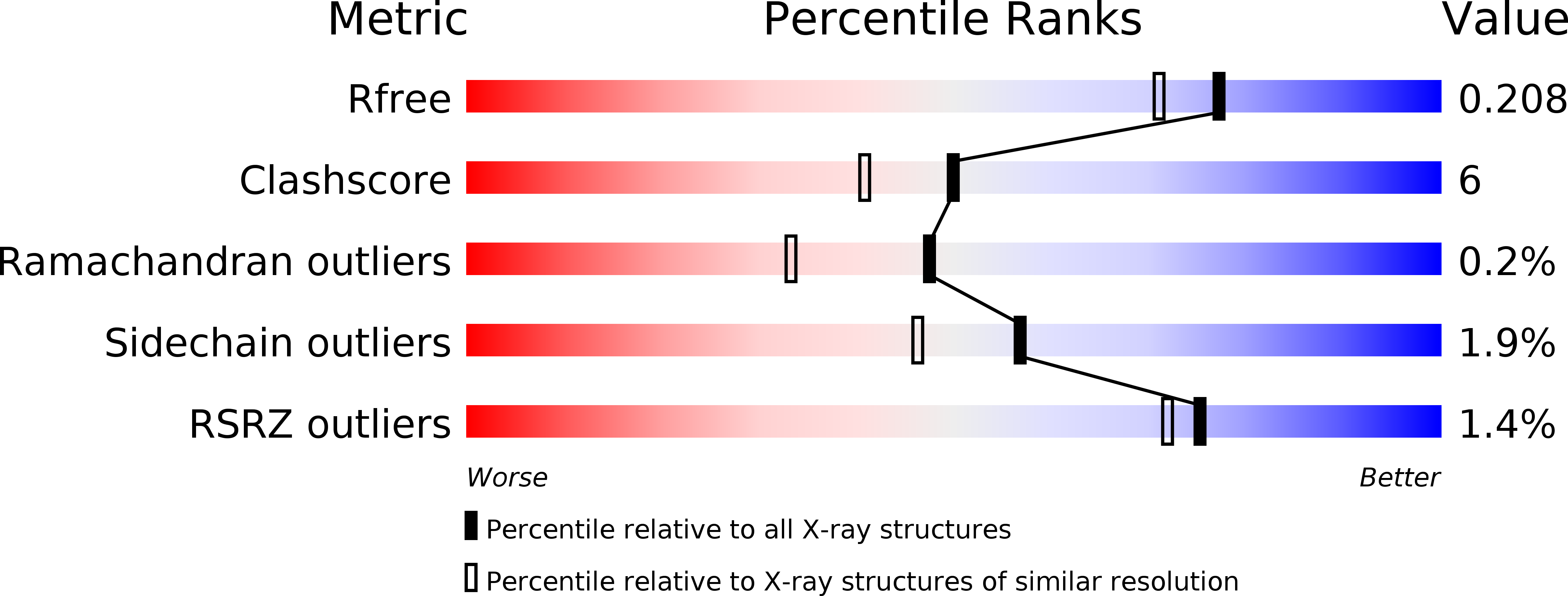
1.80 Å
R-Value Free:
0.20
R-Value Work:
0.15
R-Value Observed:
0.16
Space Group:
P 21 21 21
Macromolecular Entities
Structures with similar UniProt ID
Protein Blast
Polymer Type:polypeptide(L)
Molecule:Actin, alpha skeletal muscle
Gene (Uniprot):ACTA1
Chain IDs:A
Chain Length:375
Number of Molecules:1
Biological Source:Oryctolagus cuniculus
Structures with similar UniProt ID
Protein Blast
Polymer Type:polypeptide(L)
Molecule:Profilin-1
Gene (Uniprot):PFN1
Chain IDs:B (auth: P)
Chain Length:139
Number of Molecules:1
Biological Source:Homo sapiens
Structures with similar UniProt ID
Protein Blast
Polymer Type:polypeptide(L)
Molecule:Vasodilator-stimulated phosphoprotein
Gene (Uniprot):VASP
Chain IDs:C (auth: V)
Chain Length:16
Number of Molecules:1
Biological Source:
Modified Residue
Compound ID Chain ID Parent Comp ID Details 2D Image
HIC A HIS 4-METHYL-HISTIDINE
Primary Citation
Structural basis for the recruitment of profilin-actin complexes during filament elongation by Ena/VASP.
Embo J. 26 4597 4606 (2007)
PMID: 17914456 DOI: 10.1038/sj.emboj.7601874

Abstact

Cells sustain high rates of actin filament elongation by maintaining a large pool of actin monomers above the critical concentration for polymerization. Profilin-actin complexes constitute the largest fraction of polymerization-competent actin monomers. Filament elongation factors such as Ena/VASP and formin catalyze the transition of profilin-actin from the cellular pool onto the barbed end of growing filaments. The molecular bases of this process are poorly understood. Here we present structural and energetic evidence for two consecutive steps of the elongation mechanism: the recruitment of profilin-actin by the last poly-Pro segment of vasodilator-stimulated phosphoprotein (VASP) and the binding of profilin-actin simultaneously to this poly-Pro and to the G-actin-binding (GAB) domain of VASP. The actin monomer bound at the GAB domain is proposed to be in position to join the barbed end of the growing filament concurrently with the release of profilin.

Legend

Protein

Chemical

Disease

Primary Citation of related structures
Feedback Form
Name
Email
Institute
Feedback