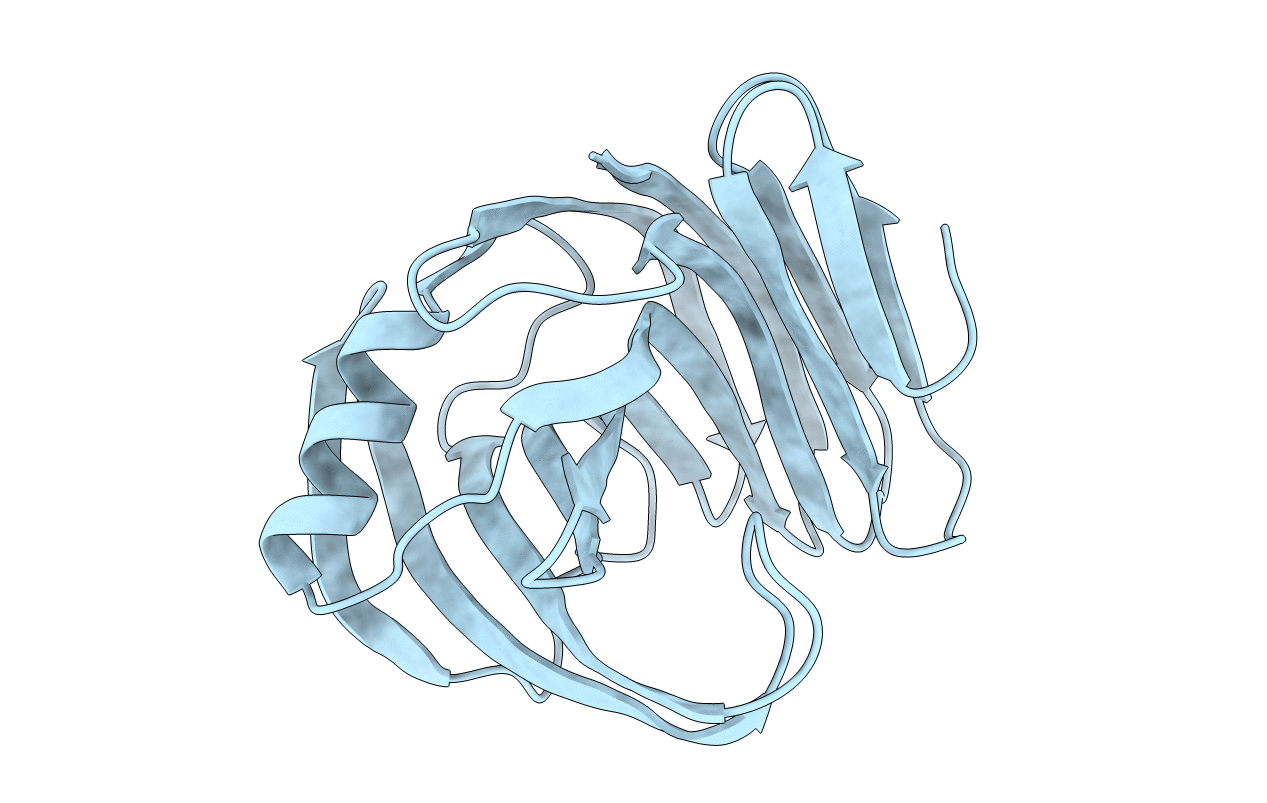
2JIC image
Deposition Date 2007-02-27
Release Date 2008-05-13
Last Version Date 2023-12-13
Entry Detail
PDB ID:
2JIC
Keywords:
Title:
High resolution structure of xylanase-II from one micron beam experiment
Biological Source:
Source Organism(s):
Method Details:
Experimental Method:
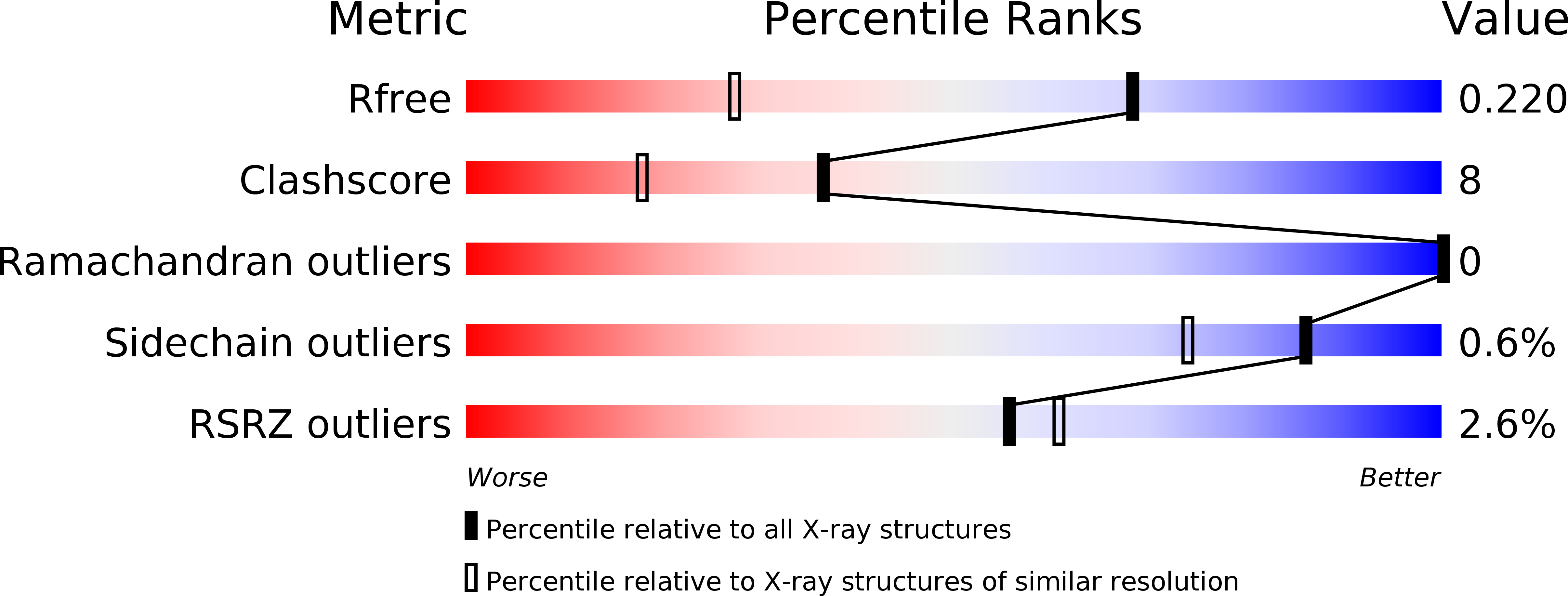
Resolution:
1.50 Å
R-Value Free:
0.20
R-Value Work:
0.18
R-Value Observed:
0.18
Space Group:
P 1 21 1
Macromolecular Entities
Structures with similar UniProt ID
Protein Blast
Polymer Type:polypeptide(L)
Molecule:XYLANASE-II
Chain IDs:A
Chain Length:190
Number of Molecules:1
Biological Source:TRICHODERMA LONGIBRACHIATUM
Primary Citation
Protein Crystallography with a Micrometre-Sized Synchrotron-Radiation Beam.
Acta Crystallogr.,Sect.D 64 158 ? (2008)
PMID: 18219115 DOI: 10.1107/S090744490705812X

Abstact

For the first time, protein microcrystallography has been performed with a focused synchrotron-radiation beam of 1 microm using a goniometer with a sub-micrometre sphere of confusion. The crystal structure of xylanase II has been determined with a flux density of about 3 x 10(10) photons s(-1) microm(-2) at the sample. Two sets of diffraction images collected from different sized crystals were shown to comprise data of good quality, which allowed a 1.5 A resolution xylanase II structure to be obtained. The main conclusion of this experiment is that a high-resolution diffraction pattern can be obtained from 20 microm(3) crystal volume, corresponding to about 2 x 10(8) unit cells. Despite the high irradiation dose in this case, it was possible to obtain an excellent high-resolution map and it could be concluded from the individual atomic B-factor patterns that there was no evidence of significant radiation damage. The photoelectron escape from a narrow diffraction channel is a possible reason for reduced radiation damage as indicated by Monte Carlo simulations. These results open many new opportunities in scanning protein microcrystallography and make random data collection from microcrystals a real possibility, therefore enabling structures to be solved from much smaller crystals than previously anticipated as long as the crystallites are well ordered.

Legend

Protein

Chemical

Disease

Primary Citation of related structures
Feedback Form
Name
Email
Institute
Feedback