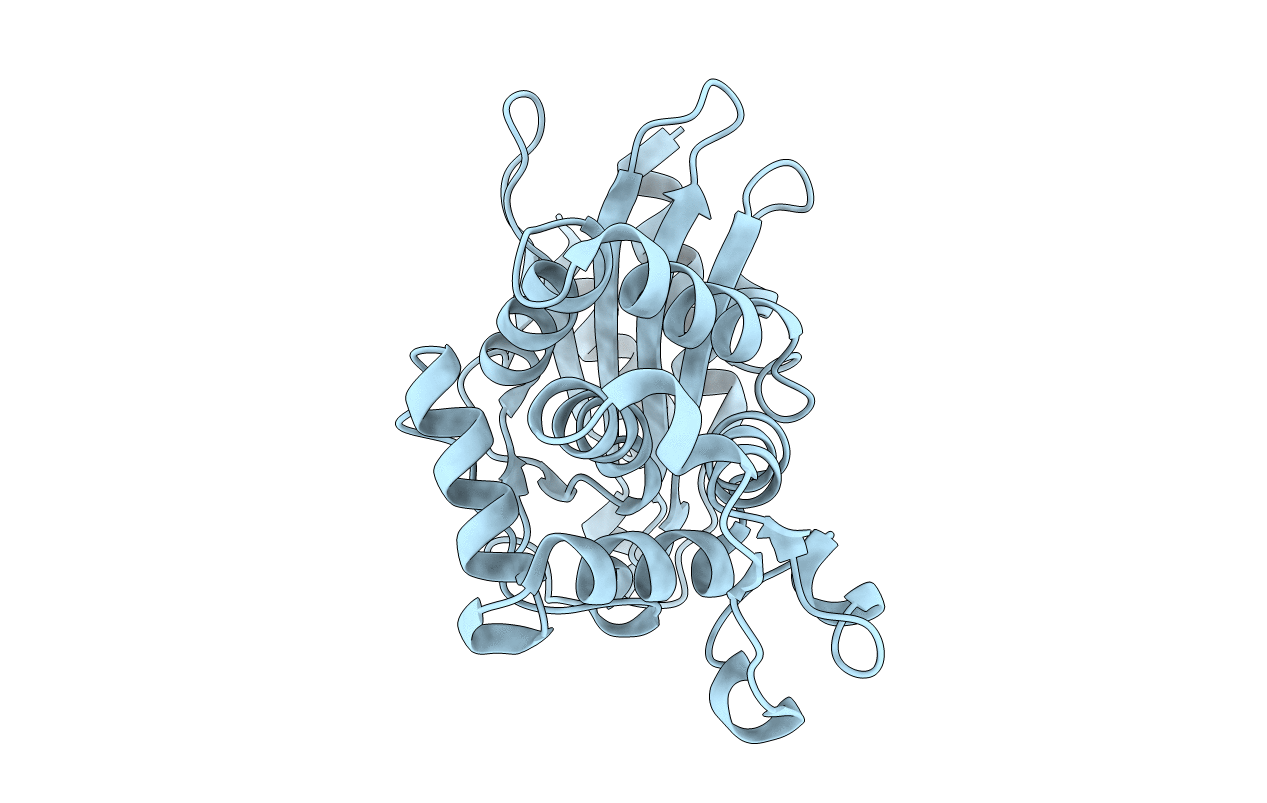
2GDN image
Deposition Date 2006-03-16
Release Date 2006-04-18
Last Version Date 2023-08-30
Entry Detail
PDB ID:
2GDN
Keywords:
Title:
Crystal structure of the Mycobacterium tuberculosis beta-lactamase
Biological Source:
Source Organism:
Method Details:
Experimental Method:
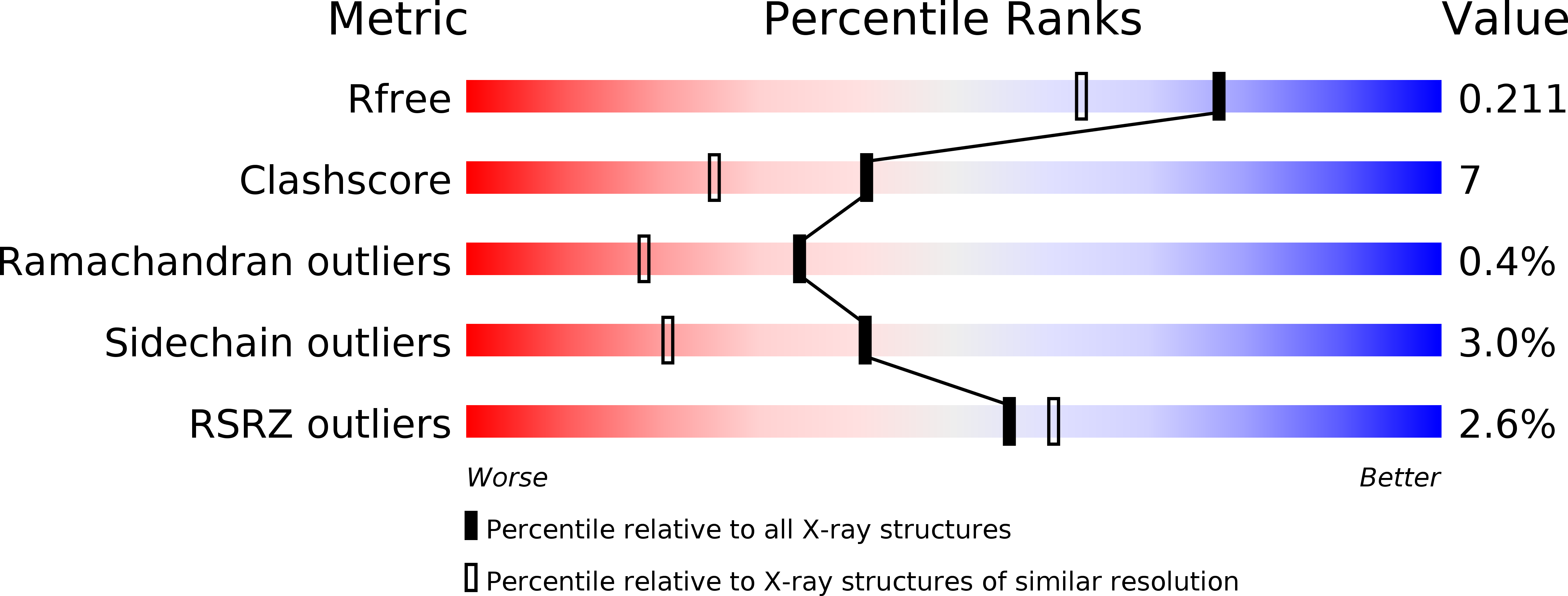
Resolution:
1.72 Å
R-Value Free:
0.21
R-Value Work:
0.18
Space Group:
P 21 21 21
Macromolecular Entities
Structures with similar UniProt ID
Protein Blast
Polymer Type:polypeptide(L)
Molecule:Beta-lactamase
Chain IDs:A
Chain Length:267
Number of Molecules:1
Biological Source:Mycobacterium tuberculosis
Primary Citation
Crystal Structure and Activity Studies of the Mycobacterium tuberculosis {beta}-Lactamase Reveal Its Critical Role in Resistance to {beta}-Lactam Antibiotics.
Antimicrob.Agents Chemother. 50 2762 2771 (2006)
PMID: 16870770 DOI: 10.1128/AAC.00320-06

Abstact

beta-Lactam antibiotics are extremely effective in disrupting the synthesis of the bacterial cell wall in both gram-positive and gram-negative bacteria. However, they are ineffective against Mycobacterium tuberculosis, due to the production of a beta-lactamase enzyme encoded on the chromosome of M. tuberculosis that degrades these antibiotics. Indeed, recent studies have demonstrated that deletion of the blaC gene, the only gene encoding a beta-lactamase in M. tuberculosis, or inhibition of the encoded enzyme resulted in significantly increased sensitivity to beta-lactam antibiotics. In this paper we present a biochemical and structural characterization of M. tuberculosis BlaC. Recombinant BlaC shows a broad range of specificity with almost equal penicillinase and cepholothinase activity. While clavulanate is a mechanism-based inhibitor to class A beta-lactamase with high potency (typically K(i) < 0.1 microM), it is a relatively poor inhibitor of the M. tuberculosis BlaC (K(i) = 2.4 microM). The crystal structure of the enzyme, determined at a resolution of 1.7 A, shows that the overall fold of the M. tuberculosis enzyme is similar to other class A beta-lactamases. There are, however, several distinct features of the active site, such as the amino acid substitutions N132G, R164A, R244A, and R276E, that explain the broad specificity of the enzyme, relatively low penicillinase activity, and resistance to clavulanate.

Legend

Protein

Chemical

Disease

Primary Citation of related structures
Feedback Form
Name
Email
Institute
Feedback