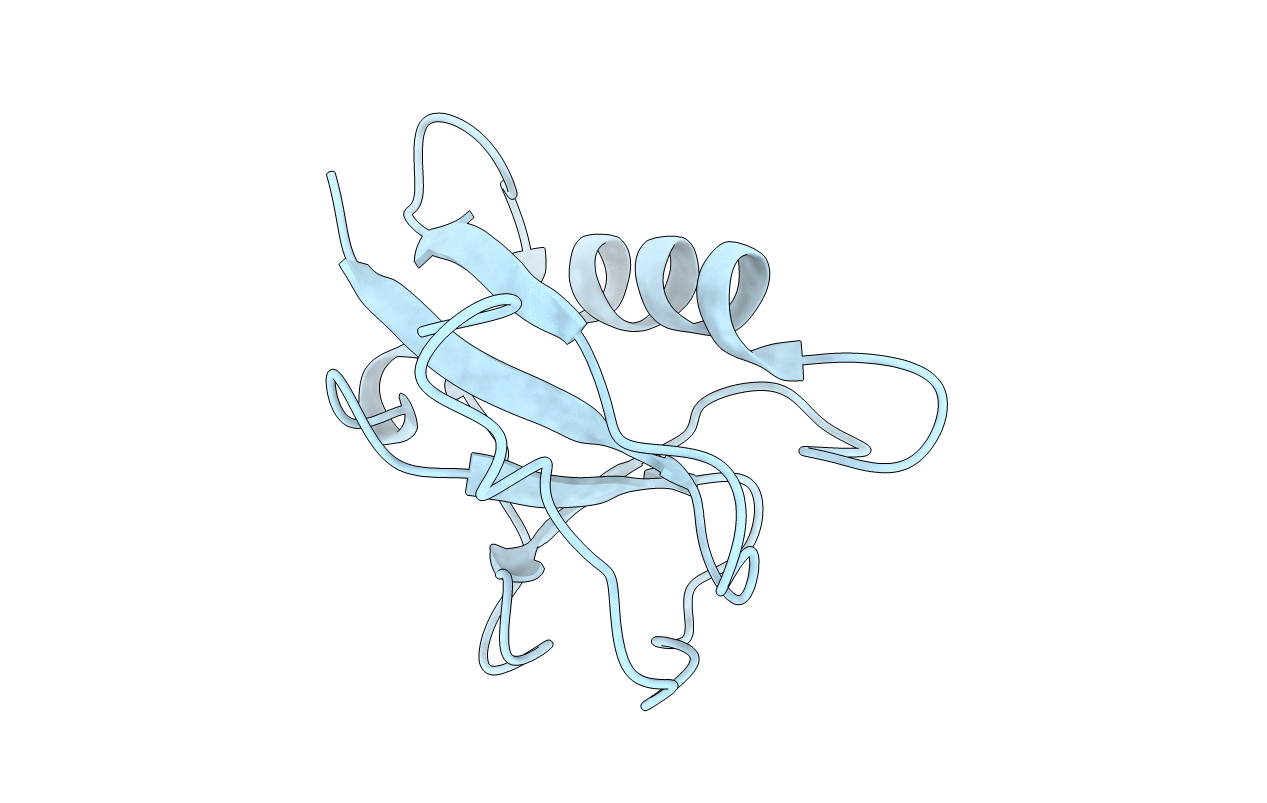
2BQQ image
Deposition Date 2005-04-27
Release Date 2006-07-19
Last Version Date 2023-12-13
Entry Detail
PDB ID:
2BQQ
Keywords:
Title:
X-ray Structure of the N-terminal Domain of Human Doublecortin
Biological Source:
Source Organism:
HOMO SAPIENS (Taxon ID: 9606)
Host Organism:
Method Details:
Experimental Method:
Resolution:
2.20 Å
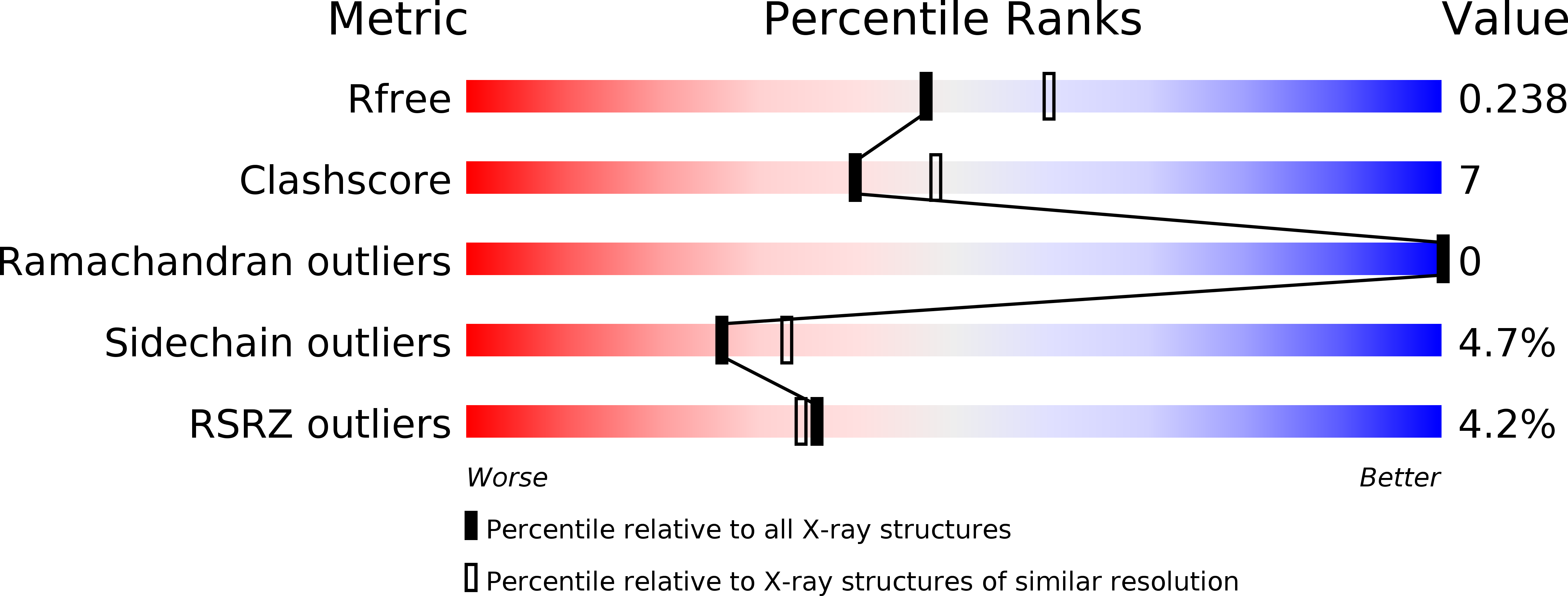
R-Value Free:
0.23
R-Value Work:
0.17
R-Value Observed:
0.17
Space Group:
I 4 2 2
Macromolecular Entities
Structures with similar UniProt ID
Protein Blast
Polymer Type:polypeptide(L)
Molecule:NEURONAL MIGRATION PROTEIN DOUBLECORTIN
Gene (Uniprot):DCX
Mutagens:YES
Chain IDs:A
Chain Length:113
Number of Molecules:1
Biological Source:HOMO SAPIENS
Primary Citation
The Dc-Module of Doublecortin: Dynamics, Domain Boundaries, and Functional Implications.
Proteins 64 874 ? (2006)
PMID: 16835924 DOI: 10.1002/PROT.21068

Abstact

The doublecortin-like (DC) domains, which usually occur in tandem, constitute novel microtubule-binding modules. They were first identified in doublecortin (DCX), a protein expressed in migrating neurons, and in the doublecortin-like kinase (DCLK). They are also found in other proteins, including the RP1 gene product which-when mutated-causes a form of inherited blindness. We previously reported an X-ray structure of the N-terminal DC domain of DCLK (N-DCLK), and a solution structure of an analogous module of human doublecortin (N-DCX). These studies showed that the DC domain has a tertiary fold closely reminiscent of ubiquitin and similar to several GTPase-binding domains. We now report an X-ray structure of a mutant of N-DCX, in which the C-terminal fragment (residues 139-147) unexpectedly shows an altered, "open" conformation. However, heteronuclear NMR data show that this C-terminal fragment is only transiently open in solution, and assumes a predominantly "closed" conformation. While the "open" conformation may be artificially stabilized by crystal packing interactions, the observed switching between the "open" and "closed" conformations, which shortens the linker between the two DC-domains by approximately 20 A, is likely to be of functional importance in the control of tubulin polymerization and microtubule bundling by doublecortin.

Legend

Protein

Chemical

Disease

Primary Citation of related structures
Feedback Form
Name
Email
Institute
Feedback