2B1Z image
Deposition Date 2005-09-16
Release Date 2006-09-19
Last Version Date 2024-10-16
Entry Detail
PDB ID:
2B1Z
Title:
Human estrogen receptor alpha ligand-binding domain in complex with 17methyl-17alpha-dihydroequilenin and a glucoc interacting protein 1 NR box II peptide
Biological Source:
Source Organism:
Homo sapiens (Taxon ID: 9606)
Method Details:
Experimental Method:
Resolution:
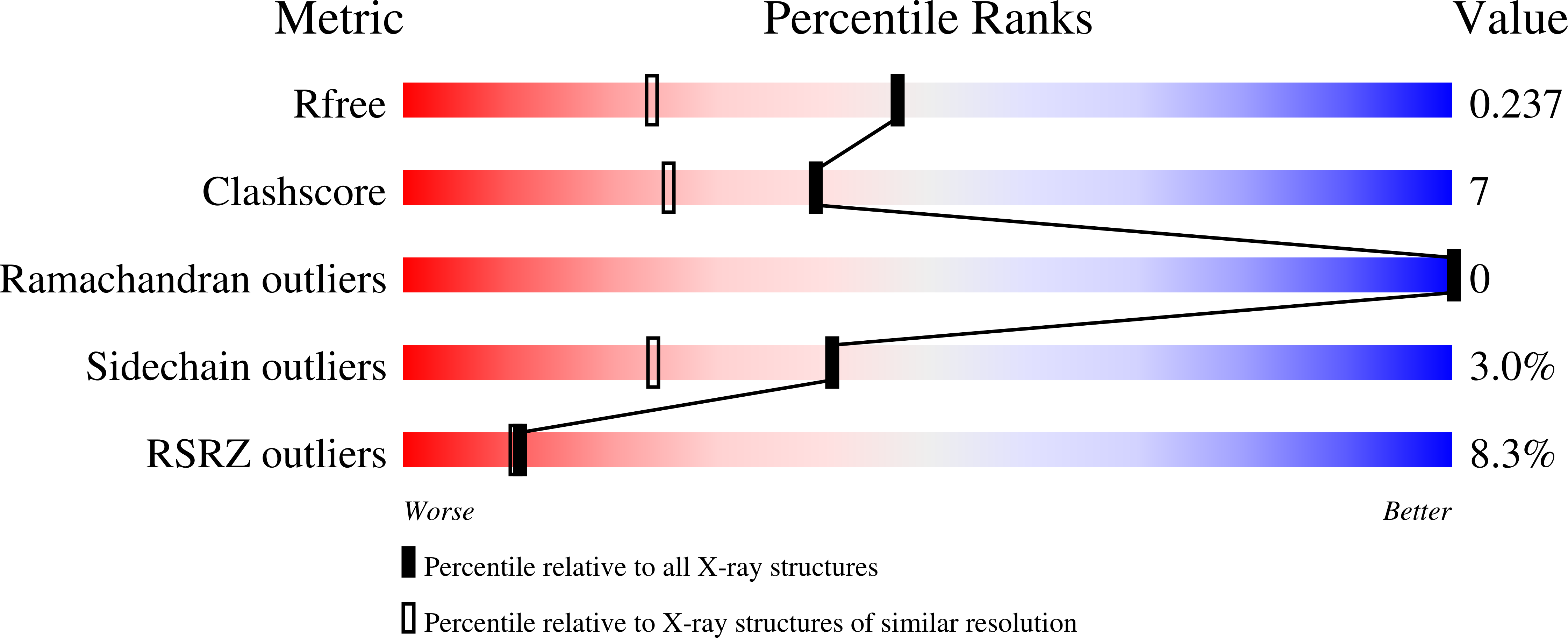
1.78 Å
R-Value Free:
0.23
R-Value Work:
0.20
R-Value Observed:
0.20
Space Group:
P 1 21 1
Macromolecular Entities
Structures with similar UniProt ID
Protein Blast
Polymer Type:polypeptide(L)
Molecule:Estrogen receptor
Gene (Uniprot):ESR1
Mutagens:Y537S
Chain IDs:A, B
Chain Length:257
Number of Molecules:2
Biological Source:Homo sapiens
Structures with similar UniProt ID
Protein Blast
Polymer Type:polypeptide(L)
Molecule:Nuclear receptor coactivator 2
Gene (Uniprot):NCOA2
Chain IDs:C, D
Chain Length:13
Number of Molecules:2
Biological Source:
Modified Residue
Compound ID Chain ID Parent Comp ID Details 2D Image
CME A CYS S,S-(2-HYDROXYETHYL)THIOCYSTEINE
Ligand Molecules
Primary Citation
Molecular characterization of a B-ring unsaturated estrogen: implications for conjugated equine estrogen components of premarin.
Steroids 73 59 68 (2008)
PMID: 17949766 DOI: 10.1016/j.steroids.2007.08.014

Abstact

Conjugated equine estrogens (CEEs) are routinely used for hormone replacement therapy (HRT), making it important to understand the activities of individual estrogenic components. Although 17beta-estradiol (17beta-E2), the most potent estrogen in CEE, has been extensively characterized, the actions of nine additional less potent estrogens are not well understood. Structural differences between CEEs and 17beta-E2 result in altered interactions with the two estrogen receptors (ERalpha and ERbeta) and different biological activities. To better understand these interactions, we have determined the crystal structure of the CEE analog, 17beta-methyl-17alpha-dihydroequilenin (NCI 122), in complex with the ERalpha ligand-binding domain and a peptide from the glucocorticoid receptor-interacting protein 1 (GRIP1) coactivator. NCI 122 has chemical properties, including an unsaturated B-ring and 17alpha-hydroxyl group, which are shared with some of the estrogens found in CEEs. Structural analysis of the NCI 122-ERalpha LBD-GRIP1 complex, combined with biochemical and cell-based comparisons of CEE components, suggests that factors such as decreased ligand flexibility, decreased ligand hydrophobicity and loss of a hydrogen bond between the 17-hydroxyl group and His524, contribute significantly to the reduced potency of CEEs on ERalpha.

Legend

Protein

Chemical

Disease

Primary Citation of related structures
Feedback Form
Name
Email
Institute
Feedback