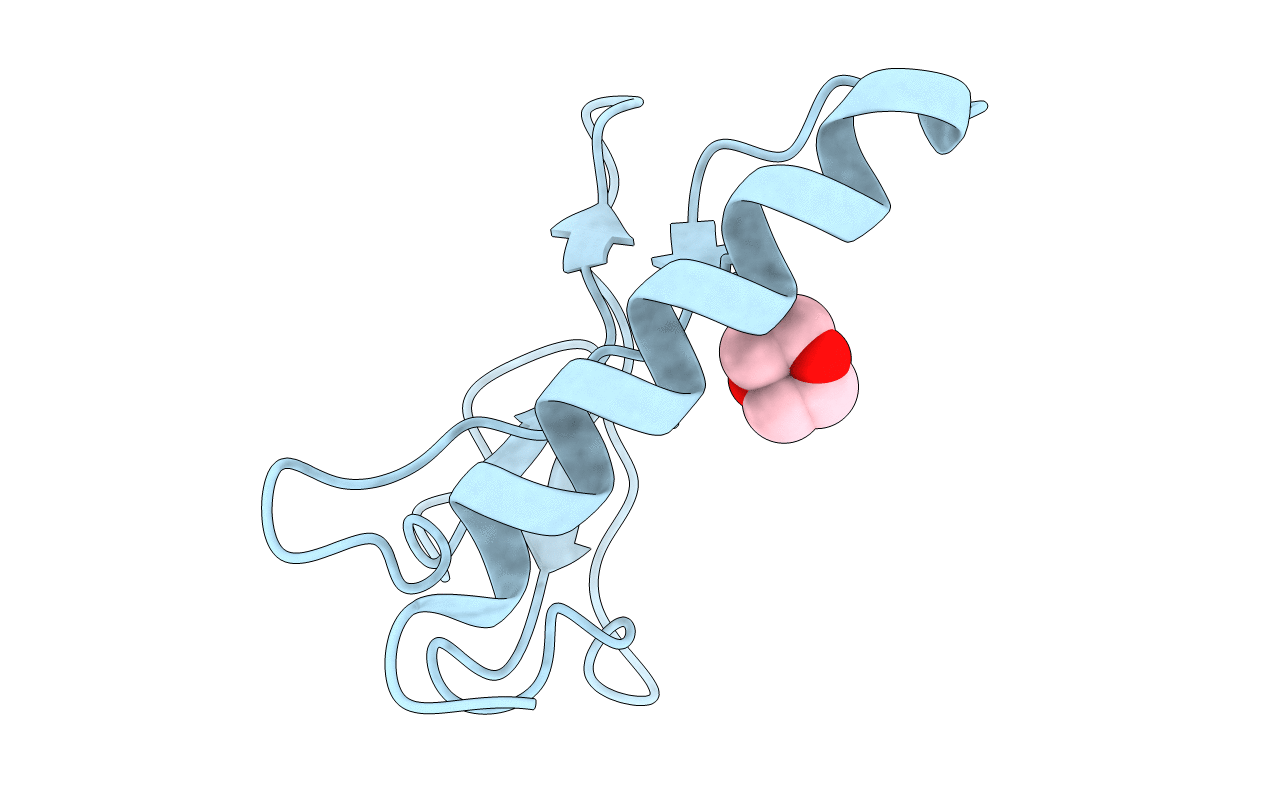
1ZT3 image
Deposition Date 2005-05-26
Release Date 2005-06-28
Last Version Date 2024-10-16
Entry Detail
PDB ID:
1ZT3
Title:
C-terminal domain of Insulin-like Growth Factor Binding Protein-1 isolated from human amniotic fluid
Biological Source:
Source Organism:
Homo sapiens (Taxon ID: 9606)
Method Details:
Experimental Method:
Resolution:
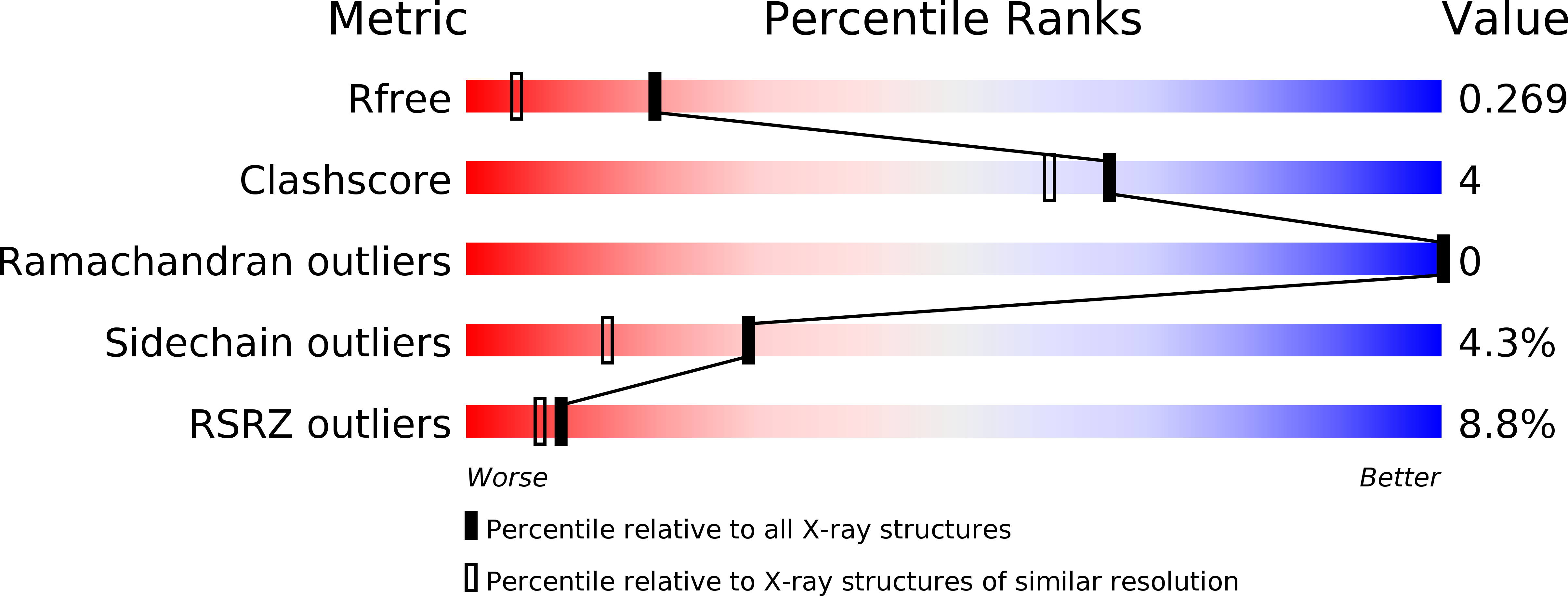
1.80 Å
R-Value Free:
0.27
R-Value Work:
0.22
R-Value Observed:
0.22
Space Group:
P 21 21 2
Macromolecular Entities
Structures with similar UniProt ID
Protein Blast
Polymer Type:polypeptide(L)
Molecule:Insulin-like growth factor binding protein 1
Gene (Uniprot):IGFBP1
Chain IDs:A
Chain Length:80
Number of Molecules:1
Biological Source:Homo sapiens
Ligand Molecules
Primary Citation
Structure and Properties of the C-terminal Domain of Insulin-like Growth Factor-binding Protein-1 Isolated from Human Amniotic Fluid
J.Biol.Chem. 280 29812 29819 (2005)
PMID: 15972819 DOI: 10.1074/jbc.M504304200

Abstact

Insulin-like growth factor (IGF)-binding protein-1 (IGFBP-1) regulates the activity of the insulin-like growth factors in early pregnancy and is, thus, thought to play a key role at the fetal-maternal interface. The C-terminal domain of IGFBP-1 and three isoforms of the intact protein were isolated from human amniotic fluid, and sequencing of the four N-terminal polypeptide chains showed them to be highly pure. The addition of both intact IGFBP-1 and its C-terminal fragment to cultured fibroblasts has a similar stimulating effect on cell migration, and therefore, the domain has a biological activity on its own. The three-dimensional structure of the C-terminal domain was determined by x-ray crystallography to 1.8 Angstroms resolution. The fragment folds as a thyroglobulin type I domain and was found to bind the Fe(2+) ion in the crystals through the only histidine residue present in the polypeptide chain. Iron (II) decreases the binding of intact IGFBP-1 and the C-terminal domain to IGF-II, suggesting that the metal binding site is close to or part of the surface of interaction of the two molecules.

Legend

Protein

Chemical

Disease

Primary Citation of related structures
Feedback Form
Name
Email
Institute
Feedback