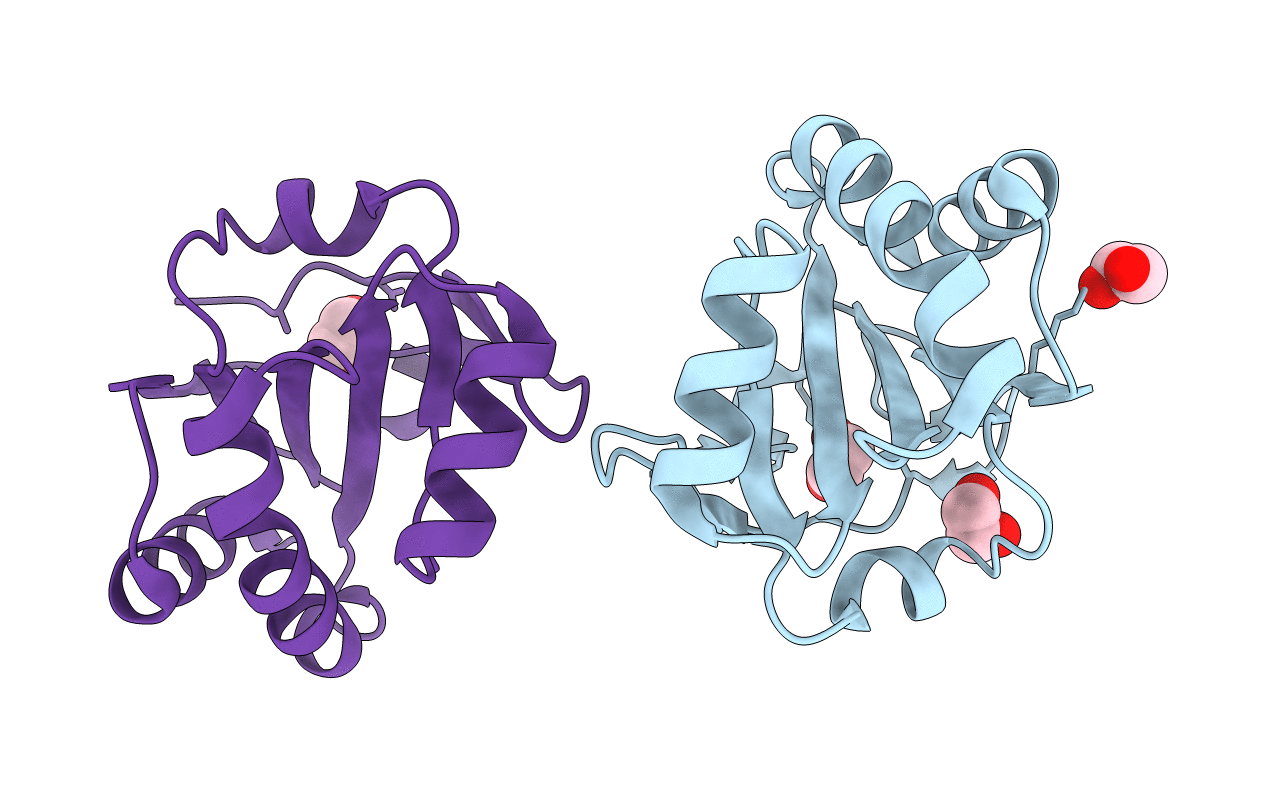
1ST9 image
Deposition Date 2004-03-25
Release Date 2004-05-11
Last Version Date 2024-11-20
Entry Detail
PDB ID:
1ST9
Keywords:
Title:
Crystal Structure of a Soluble Domain of ResA in the Oxidised Form
Biological Source:
Source Organism:
Host Organism:
Method Details:
Experimental Method:
Resolution:
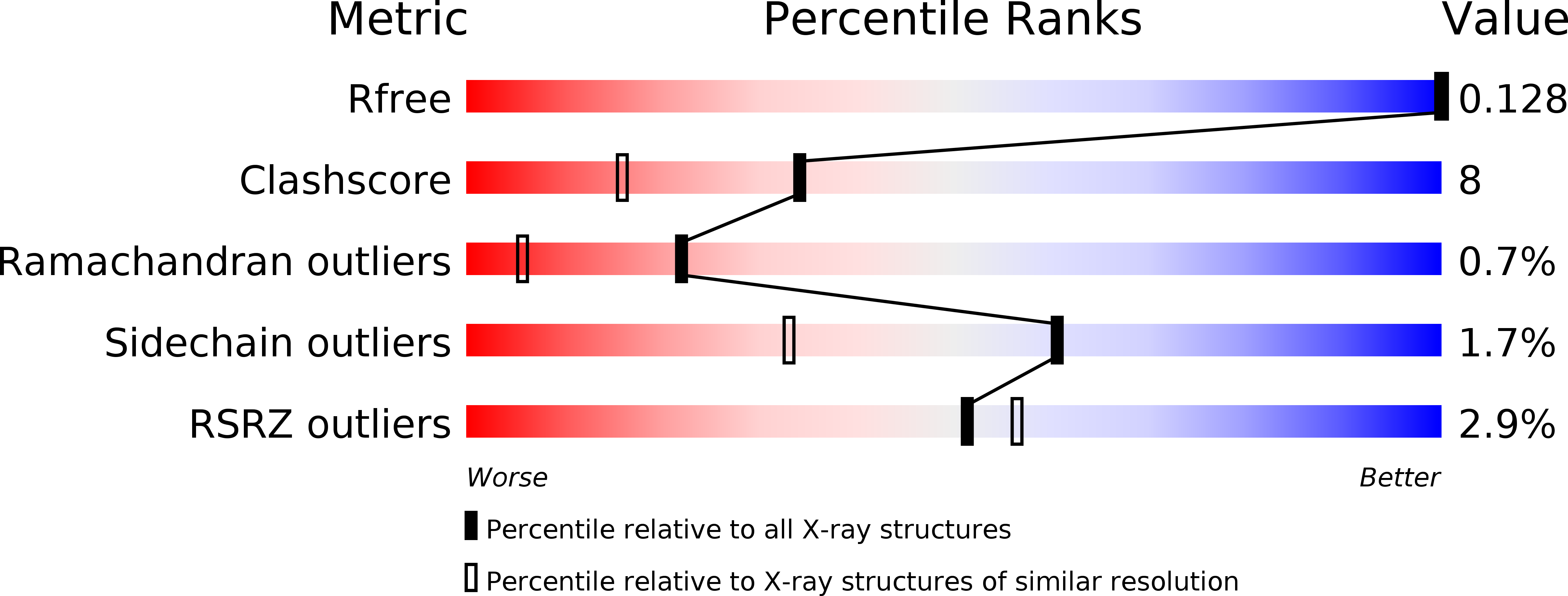
1.50 Å
R-Value Work:
0.12
R-Value Observed:
0.12
Space Group:
P 65
Macromolecular Entities
Structures with similar UniProt ID
Protein Blast
Polymer Type:polypeptide(L)
Molecule:Thiol-disulfide oxidoreductase resA
Gene (Uniprot):resA
Chain IDs:A, B
Chain Length:143
Number of Molecules:2
Biological Source:Bacillus subtilis
Ligand Molecules
Primary Citation
Structural Basis of Redox-coupled Protein Substrate Selection by the Cytochrome c Biosynthesis Protein ResA.
J.Biol.Chem. 279 23654 23660 (2004)
PMID: 15047692 DOI: 10.1074/jbc.M402823200

Abstact

Post-translational maturation of cytochromes c involves the covalent attachment of heme to the Cys-Xxx-Xxx-Cys-His motif of the apo-cytochrome. For this process, the two cysteines of the motif must be in the reduced state. In bacteria, this is achieved by dedicated, membrane-bound thiol-disulfide oxidoreductases with a high reducing power, which are essential components of cytochrome c maturation systems and are also linked to cellular disulfide-bond formation machineries. Here we report high-resolution structures of oxidized and reduced states of a soluble, functional domain of one such oxidoreductase, ResA, from Bacillus subtilis. The structures elucidate the structural basis of the protein's high reducing power and reveal the largest redox-coupled conformational changes observed to date in any thioredoxin-like protein. These redox-coupled changes alter the protein surface and illustrate how the redox state of ResA predetermines to which substrate it binds. Furthermore, a polar cavity, present only in the reduced state, may confer specificity to recognize apo-cytochrome c. The described features of ResA are likely to be general for bacterial cytochrome c maturation systems.

Legend

Protein

Chemical

Disease

Primary Citation of related structures
Feedback Form
Name
Email
Institute
Feedback