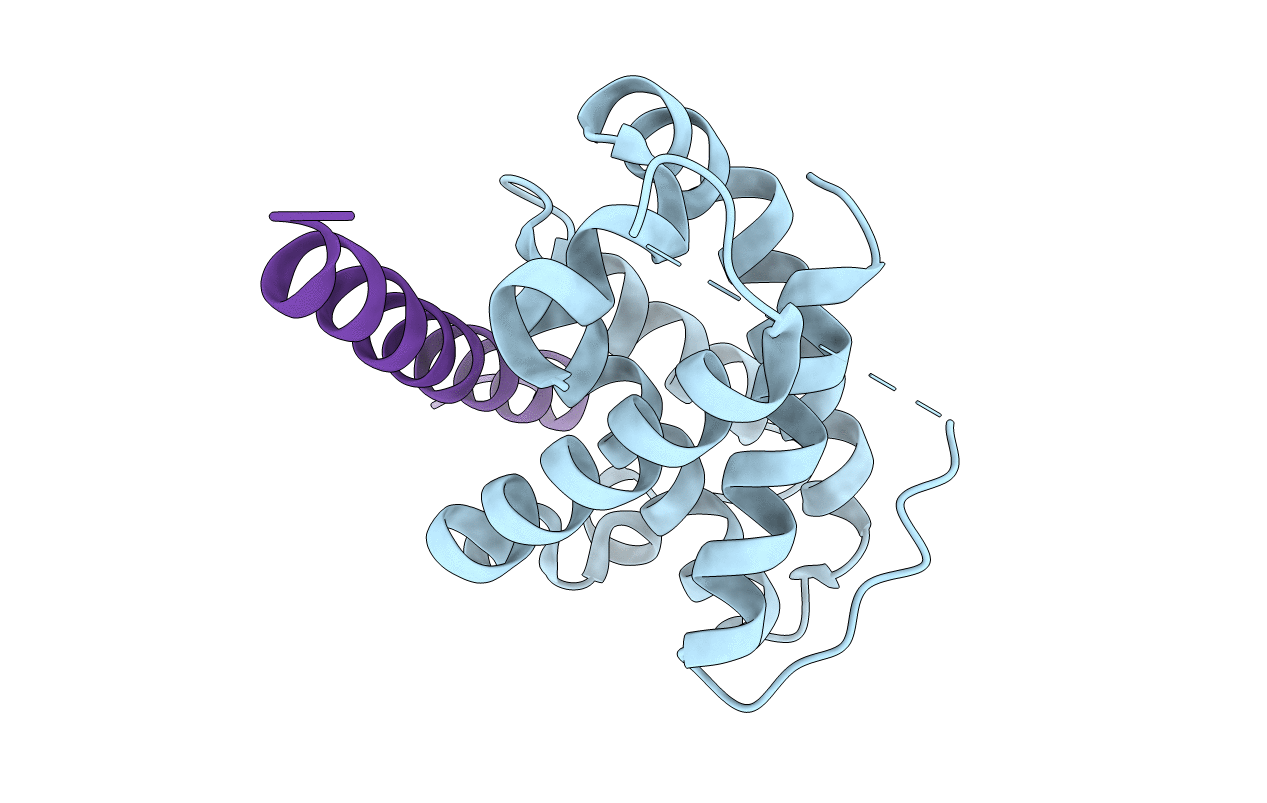
1PQ1 image
Deposition Date 2003-06-17
Release Date 2003-09-23
Last Version Date 2023-08-16
Entry Detail
PDB ID:
1PQ1
Keywords:
Title:
Crystal structure of Bcl-xl/Bim
Biological Source:
Source Organism:
Mus musculus (Taxon ID: 10090)
Host Organism:
Method Details:
Experimental Method:
Resolution:
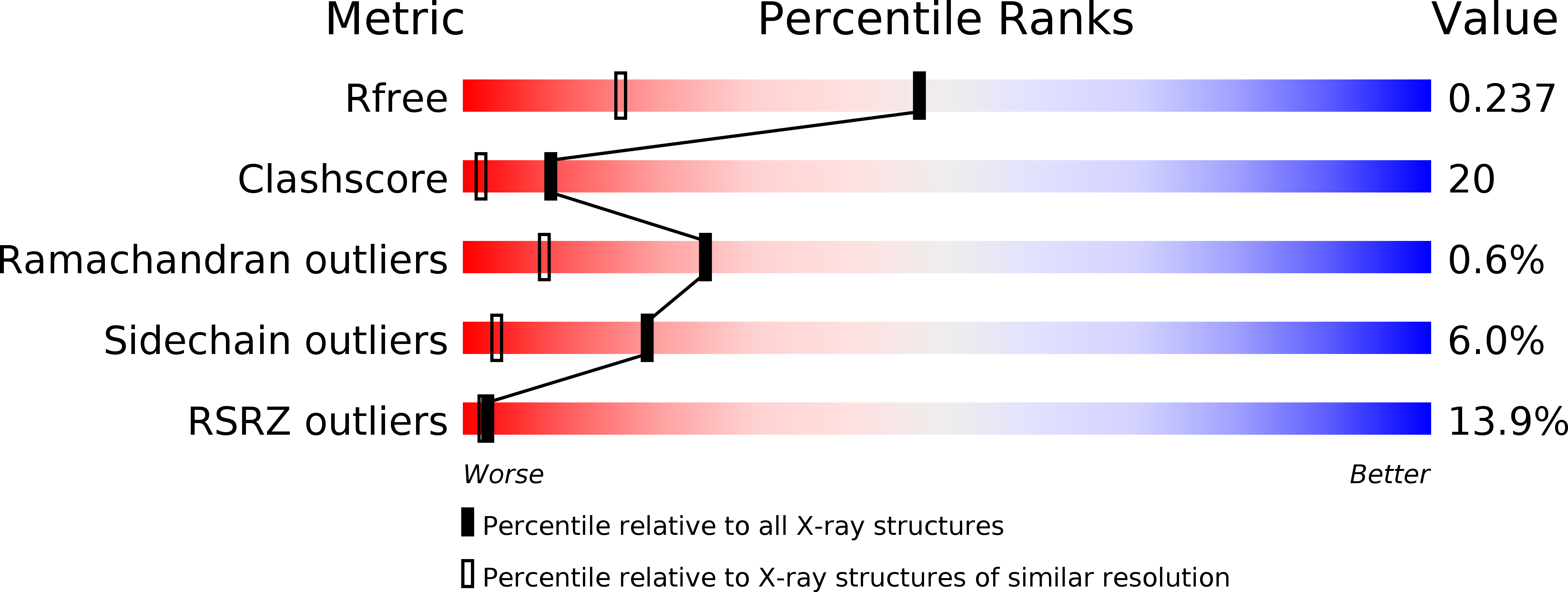
1.65 Å
R-Value Free:
0.23
R-Value Work:
0.21
R-Value Observed:
0.21
Space Group:
P 1 21 1
Macromolecular Entities
Structures with similar UniProt ID
Protein Blast
Polymer Type:polypeptide(L)
Molecule:Apoptosis regulator Bcl-X
Gene (Uniprot):Bcl2l1
Chain IDs:A
Chain Length:196
Number of Molecules:1
Biological Source:Mus musculus
Structures with similar UniProt ID
Protein Blast
Polymer Type:polypeptide(L)
Molecule:BCL2-like protein 11
Gene (Uniprot):Bcl2l11
Chain IDs:B
Chain Length:33
Number of Molecules:1
Biological Source:Mus musculus
Primary Citation
The structure of a Bcl-xl/Bim fragment complex: Implications for Bim function
Immunity 19 341 352 (2003)
PMID: 14499110 DOI: 10.1016/S1074-7613(03)00234-6

Abstact

After antigen-driven expansion, the majority of T cells involved in an immune response die rapidly by apoptosis dependent on the Bcl-2 related proteins, Bim and Bax or Bak. The details of how these proteins are activated and interact are still unclear. The crystal structure of mouse Bcl-x(L) bound to a long helical fragment of Bim indicates that the structure of Bim is very different from proteins with a Bcl-2-like fold and may leave the BH3 region of Bim constitutively exposed. Based on the structural homology between Bcl-x(L) and Bax, we predicted that binding of Bim to Bax would require displacement of the Bax penultimate alpha helix. Consistent with this prediction, truncation of this short helix was required for Bim/Bax interaction and led to spontaneous activation of Bax. Our results suggest a way in which both Bim and Bax/Bak might be required for activated T cell apoptosis.

Legend

Protein

Chemical

Disease

Primary Citation of related structures
Feedback Form
Name
Email
Institute
Feedback