1NYM image
Deposition Date 2003-02-12
Release Date 2003-08-26
Last Version Date 2024-10-30
Entry Detail
PDB ID:
1NYM
Keywords:
Title:
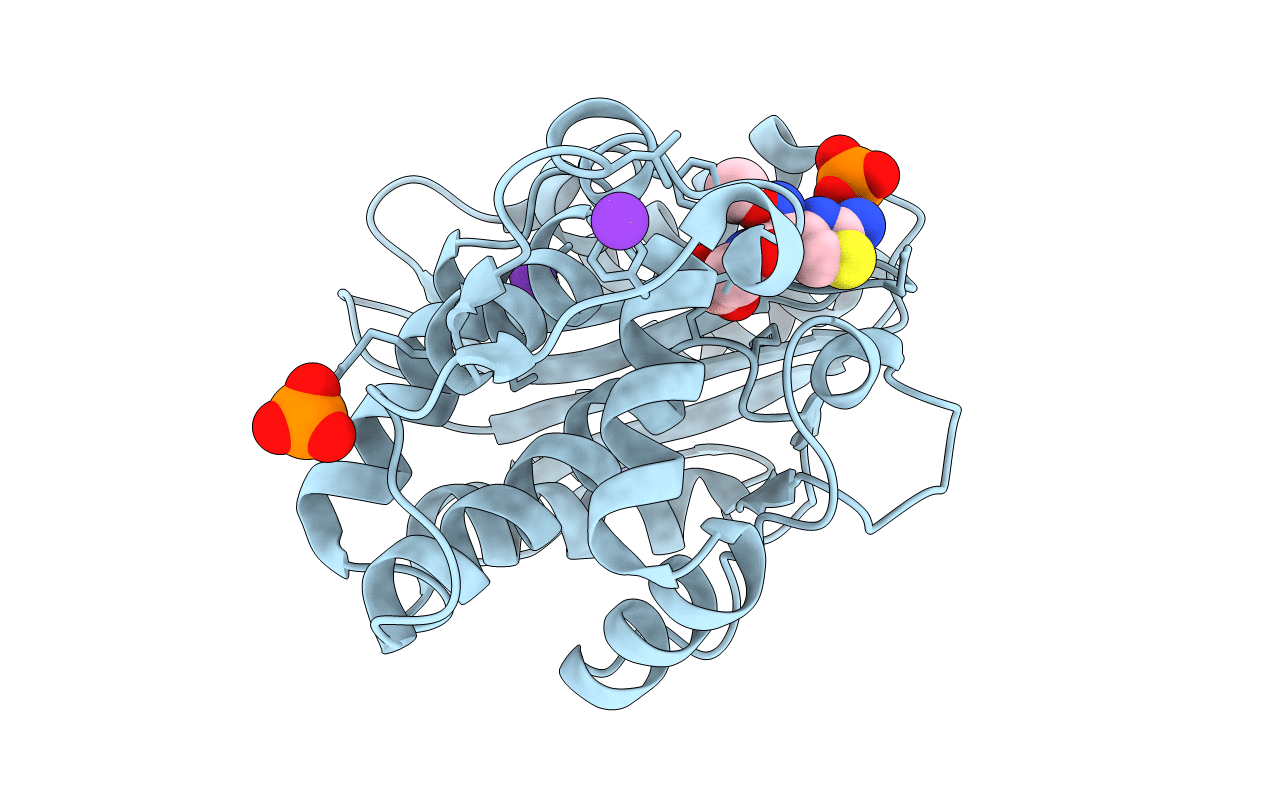
Crystal Structure of the complex between M182T mutant of TEM-1 and a boronic acid inhibitor (CXB)
Biological Source:
Source Organism:
Escherichia coli (Taxon ID: 562)
Host Organism:
Method Details:
Experimental Method:
Resolution:
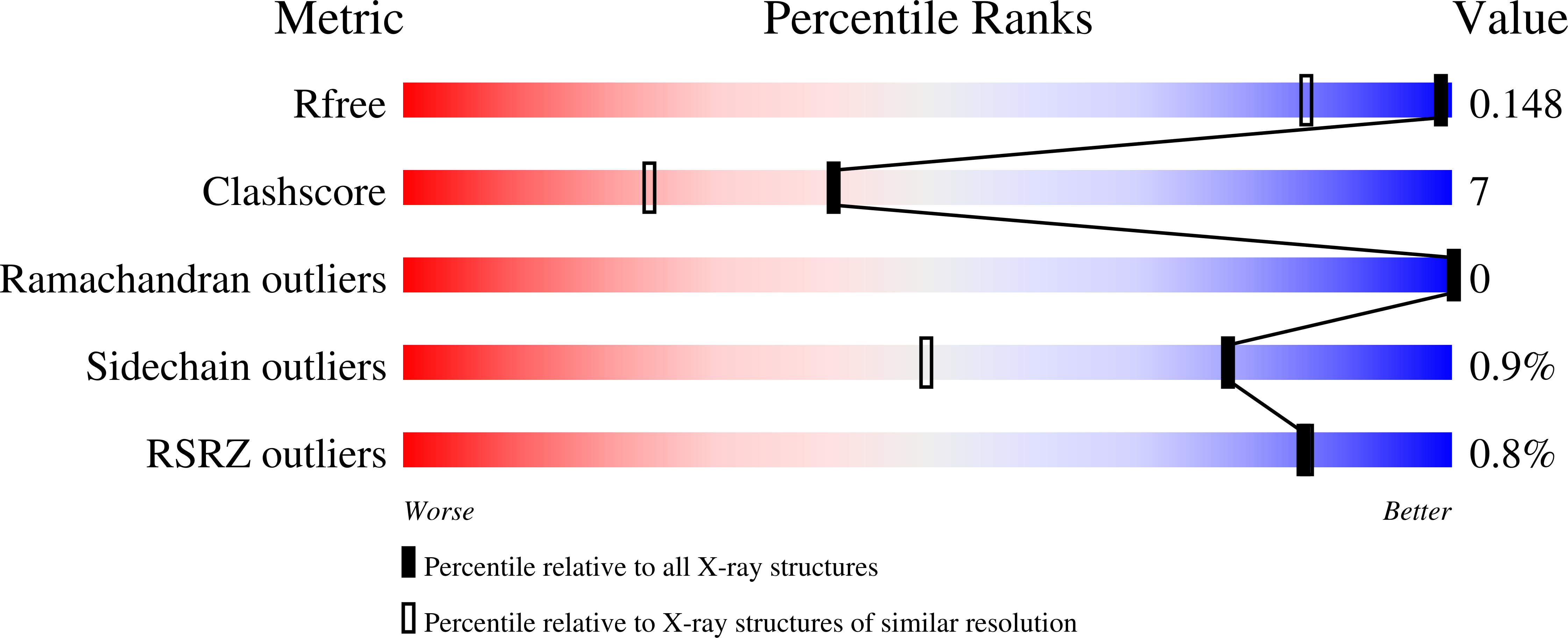
1.20 Å
R-Value Free:
0.14
R-Value Work:
0.10
Space Group:
P 21 21 21
Macromolecular Entities
Structures with similar UniProt ID
Protein Blast
Polymer Type:polypeptide(L)
Molecule:Beta-lactamase TEM
Gene (Uniprot):bla, blaT-3, blaT-4, blaT-5, blaT-6
Mutagens:M182T
Chain IDs:A
Chain Length:263
Number of Molecules:1
Biological Source:Escherichia coli
Primary Citation
Recognition and resistance in TEM beta-lactamase
Biochemistry 42 8434 8444 (2003)
PMID: 12859188 DOI: 10.1021/bi034242y

Abstact

Developing antimicrobials that are less likely to engender resistance has become an important design criterion as more and more drugs fall victim to resistance mutations. One hypothesis is that the more closely an inhibitor resembles a substrate, the more difficult it will be to develop resistant mutations that can at once disfavor the inhibitor and still recognize the substrate. To investigate this hypothesis, 10 transition-state analogues, of greater or lesser similarity to substrates, were tested for inhibition of TEM-1 beta-lactamase, the most widespread resistance enzyme to penicillin antibiotics. The inhibitors were also tested against four characteristic mutant enzymes: TEM-30, TEM-32, TEM-52, and TEM-64. The inhibitor most similar to the substrate, compound 10, was the most potent inhibitor of the WT enzyme, with a K(i) value of 64 nM. Conversely, compound 10 was the most susceptible to the TEM-30 (R244S) mutant, for which inhibition dropped by over 100-fold. The other inhibitors were relatively impervious to the TEM-30 mutant enzyme. To understand recognition and resistance to these transition-state analogues, the structures of four of these inhibitors in complex with TEM-1 were determined by X-ray crystallography. These structures suggest a structural basis for distinguishing inhibitors that mimic the acylation transition state and those that mimic the deacylation transition state; they also suggest how TEM-30 reduces the affinity of compound 10. In cell culture, this inhibitor reversed the resistance of bacteria to ampicillin, reducing minimum inhibitory concentrations of this penicillin by between 4- and 64-fold, depending on the strain of bacteria. Notwithstanding this activity, the resistance of TEM-30, which is already extant in the clinic, suggests that there can be resistance liabilities with substrate-based design.

Legend

Protein

Chemical

Disease

Primary Citation of related structures
Feedback Form
Name
Email
Institute
Feedback