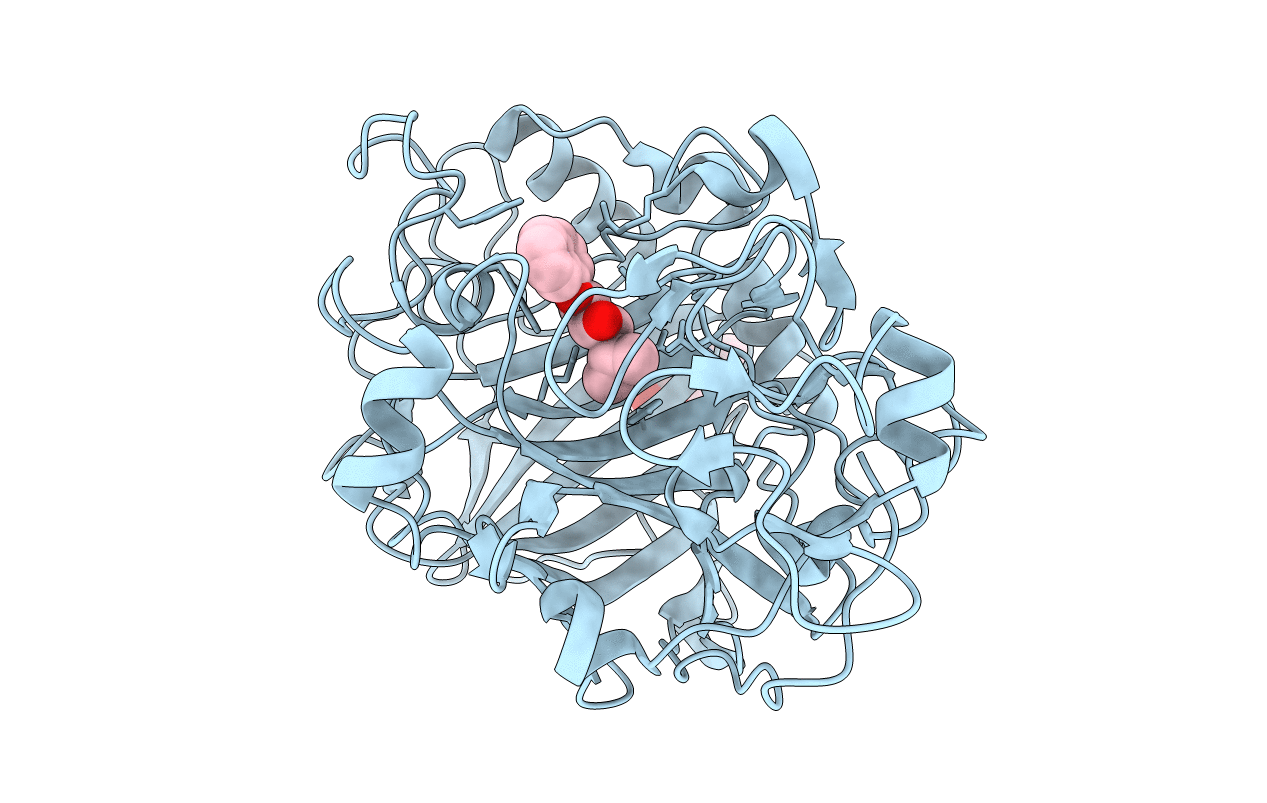
1H46 image
Deposition Date 2002-10-03
Release Date 2003-04-03
Last Version Date 2024-11-13
Entry Detail
PDB ID:
1H46
Keywords:
Title:
The catalytic module of Cel7D from Phanerochaete chrysosporium as a chiral selector: Structural studies of its complex with the b-blocker (R)-propranolol
Biological Source:
Source Organism:
Method Details:
Experimental Method:
Resolution:
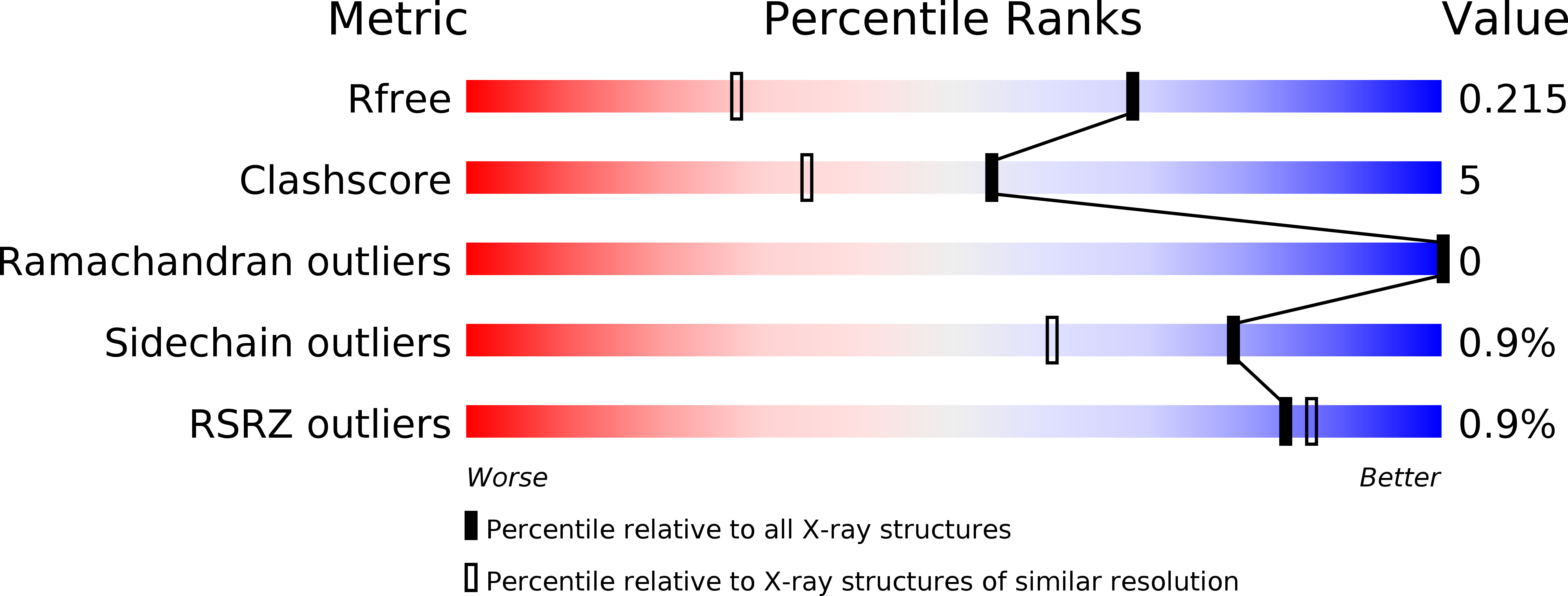
1.52 Å
R-Value Free:
0.21
R-Value Work:
0.16
R-Value Observed:
0.17
Space Group:
C 1 2 1
Macromolecular Entities
Structures with similar UniProt ID
Protein Blast
Polymer Type:polypeptide(L)
Molecule:EXOGLUCANASE I
Chain IDs:A (auth: X)
Chain Length:431
Number of Molecules:1
Biological Source:PHANEROCHAETE CHRYSOSPORIUM
Modified Residue
Compound ID Chain ID Parent Comp ID Details 2D Image
ASN A ASN GLYCOSYLATION SITE
PCA A GLU PYROGLUTAMIC ACID
Primary Citation
The Catalytic Module of Cel7D from Phanerochaete Chrysosporium as a Chiral Selector: Structural Studies of its Complex with the Beta Blocker (R)-Propranolol
Acta Crystallogr.,Sect.D 59 637 ? (2003)
PMID: 12657782 DOI: 10.1107/S0907444903001938

Abstact

Previous investigations have shown that the major cellobiohydrolase of Phanerochaete chrysosporium, Cel7D (CBH 58), can be used to separate the enantiomers of a number of drugs, including adrenergic beta blockers such as propranolol. The structural basis of this enantioselectivity is explored here. A 1.5 A X-ray structure of the catalytic domain of Cel7D in complex with (R)-propranolol showed the ligand bound at the active site in glucosyl-binding subsites -1/+1. The catalytic residue Glu207 makes a strong charge-charge interaction with the secondary amine of (R)-propranolol; this is supported by a second interaction of the amine with the nearby Asp209. The aromatic naphthyl group stacks onto the indole ring of Trp373 (normally the glucosyl-binding platform of subsite +1). Other factors also contribute to good complementarity between the ligand and the substrate-binding cleft of the enzyme. Comparison with the previous structure of a related cellulase, Cel7A from Trichoderma reesei, in complex with (S)-propranolol strongly suggests that these enzymes will bind the (S)-enantiomer in a very similar manner, distinct from their mode of binding to (R)-propranolol. Tighter binding of both enzymes to the (S)-enantiomer is largely explained by two additional hydrogen-bonding interactions with its hydroxyl group. The distinct preference for the (R)-enantiomer is probably a consequence of structural differences near the naphthyl group of the ligand.

Legend

Protein

Chemical

Disease

Primary Citation of related structures
Feedback Form
Name
Email
Institute
Feedback