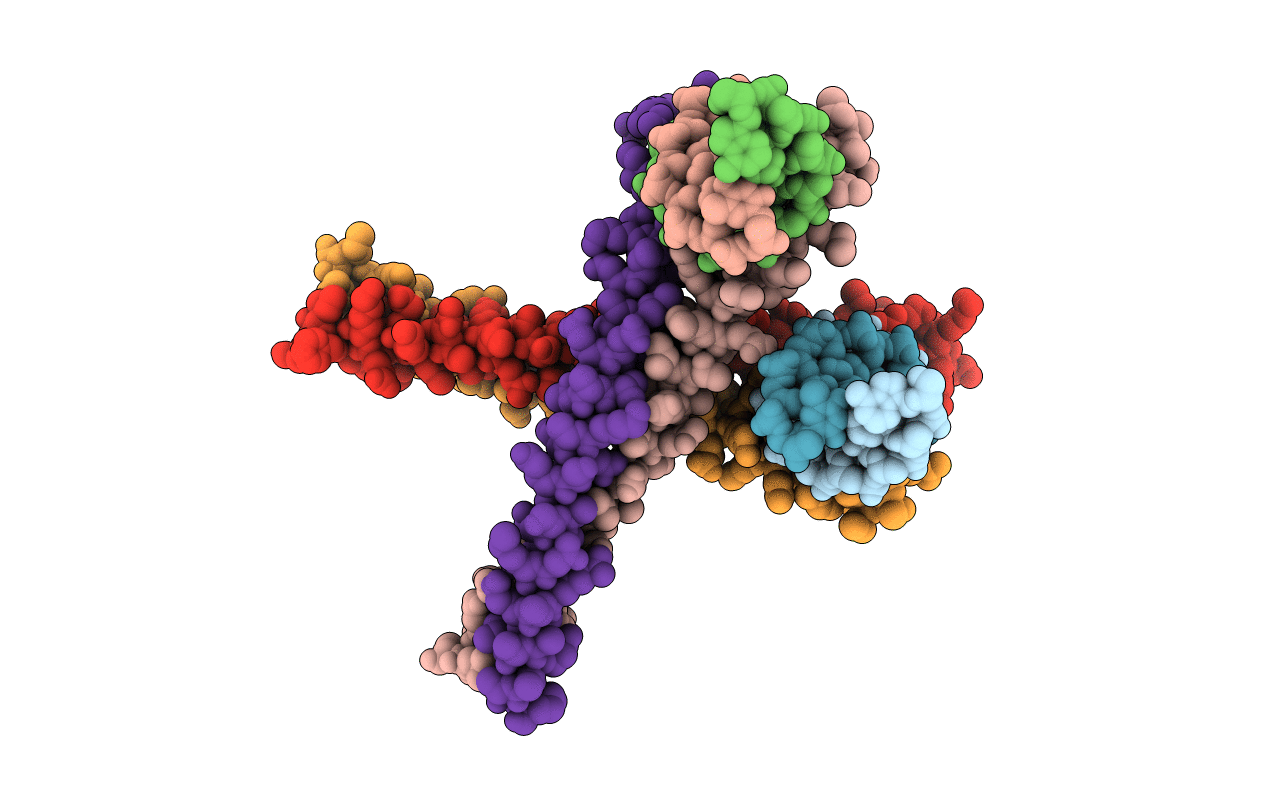
1FOS image
Deposition Date 1995-03-07
Release Date 1995-07-10
Last Version Date 2024-02-07
Entry Detail
PDB ID:
1FOS
Title:
TWO HUMAN C-FOS:C-JUN:DNA COMPLEXES
Biological Source:
Source Organism(s):
Homo sapiens (Taxon ID: 9606)
Expression System(s):
Method Details:
Experimental Method:
Resolution:
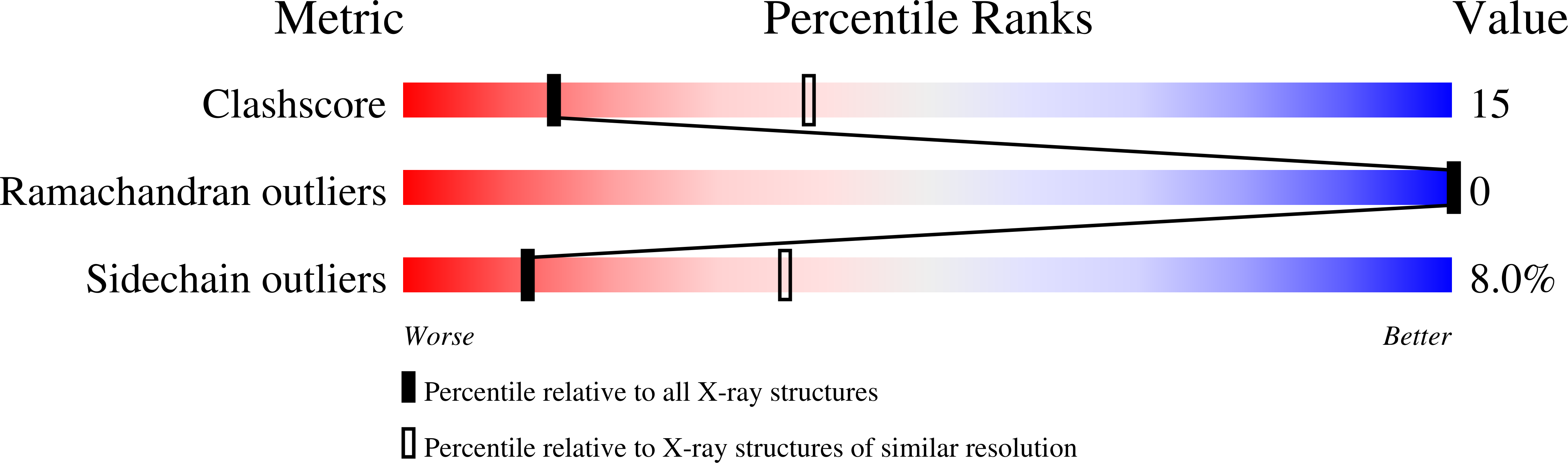
3.05 Å
R-Value Free:
0.32
R-Value Work:
0.23
R-Value Observed:
0.23
Space Group:
P 21 21 2
Macromolecular Entities
Structures with similar UniProt ID
Protein Blast
Polymer Type:polypeptide(L)
Molecule:P55-C-FOS PROTO-ONCOGENE PROTEIN
Gene (Uniprot):FOS
Chain IDs:E, G
Chain Length:62
Number of Molecules:2
Biological Source:Homo sapiens
Structures with similar UniProt ID
Protein Blast
Polymer Type:polypeptide(L)
Molecule:C-JUN PROTO-ONCOGENE PROTEIN
Chain IDs:F, H
Chain Length:62
Number of Molecules:2
Biological Source:Homo sapiens
Ligand Molecules
Primary Citation
Crystal structure of the heterodimeric bZIP transcription factor c-Fos-c-Jun bound to DNA.
Nature 373 257 261 (1995)
PMID: 7816143 DOI: 10.1038/373257a0

Abstact

The Fos and Jun families of eukaryotic transcription factors heterodimerize to form complexes capable of binding 5'-TGAGTCA-3' DNA elements. We have determined the X-ray crystal structure of a heterodimer of the bZIP regions of c-Fos and c-Jun bound to DNA. Both subunits form continuous alpha-helices. The carboxy-terminal regions form an asymmetric coiled-coil, and the amino-terminal regions make base-specific contacts with DNA in the major groove. Comparison of the two crystallographically distinct protein-DNA complexes show that the coiled-coil is flexibly joined to the basic regions and that the Fos-Jun heterodimer does not recognize the asymmetric 5'-TGAGTCA-3' recognition element in a unique orientation. There is an extensive network of electrostatic interactions between subunits within the coiled-coil, consistent with proposals that these interactions determine preferential formation of the heterodimer over either of the homodimers.

Legend

Protein

Chemical

Disease

Primary Citation of related structures
Feedback Form
Name
Email
Institute
Feedback