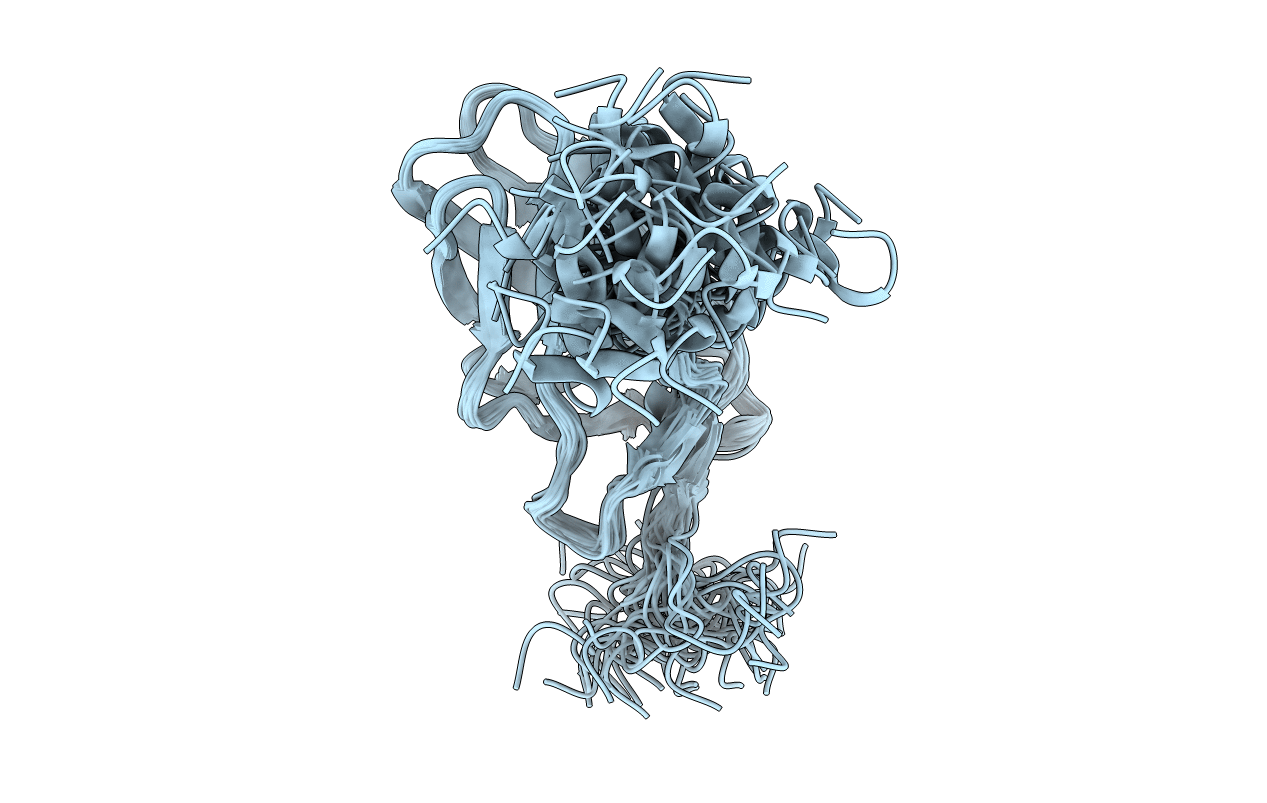
1CMO image
Deposition Date 1999-05-11
Release Date 2000-01-05
Last Version Date 2023-12-27
Entry Detail
PDB ID:
1CMO
Keywords:
Title:
IMMUNOGLOBULIN MOTIF DNA-RECOGNITION AND HETERODIMERIZATION FOR THE PEBP2/CBF RUNT-DOMAIN
Biological Source:
Source Organism:
Homo sapiens (Taxon ID: 9606)
Method Details:
Experimental Method:
Conformers Calculated:
300
Conformers Submitted:
43
Selection Criteria:
structures with the least restraint violations
Macromolecular Entities
Structures with similar UniProt ID
Protein Blast
Polymer Type:polypeptide(L)
Molecule:POLYOMAVIRUS ENHANCER BINDING PROTEIN 2
Gene (Uniprot):RUNX1
Mutagens:C81S
Chain IDs:A
Chain Length:127
Number of Molecules:1
Biological Source:Homo sapiens
Ligand Molecules
Primary Citation
Immunoglobulin motif DNA recognition and heterodimerization of the PEBP2/CBF Runt domain.
Nat.Struct.Biol. 6 615 618 (1999)
PMID: 10404214 DOI: 10.1038/10658

Abstact

The polyomavirus enhancer binding protein 2 (PEBP2) or core binding factor (CBF) is a heterodimeric enhancer binding protein that is associated with genetic regulation of hematopoiesis and osteogenesis. Aberrant forms of PEBP2/CBF are implicated in the cause of the acute human leukemias and in a disorder of bone development known as cleidocranial dysplasia. The common denominator in the natural and mutant forms of this protein is a highly conserved domain of PEBP2/CBF alpha, termed the Runt domain (RD), which is responsible for both DNA binding and heterodimerization with the beta subunit of PEBP2/CBF. The three-dimensional structure of the RD bound to DNA has been determined to be an S-type immunoglobulin fold, establishing a structural relationship between the RD and the core DNA binding domains of NF-kappaB, NFAT1, p53 and the STAT proteins. NMR spectroscopy of a 43.6 kD RD-beta-DNA ternary complex identified the surface of the RD in contact with the beta subunit, suggesting a mechanism for the enhancement of RD DNA binding by beta. Analysis of leukemogenic mutants within the RD provides molecular insights into the role of this factor in leukemogenesis and cleidocranial dysplasia.

Legend

Protein

Chemical

Disease

Primary Citation of related structures
Feedback Form
Name
Email
Institute
Feedback