1BVR image
Deposition Date 1998-09-17
Release Date 1999-09-17
Last Version Date 2023-08-09
Entry Detail
PDB ID:
1BVR
Keywords:
Title:
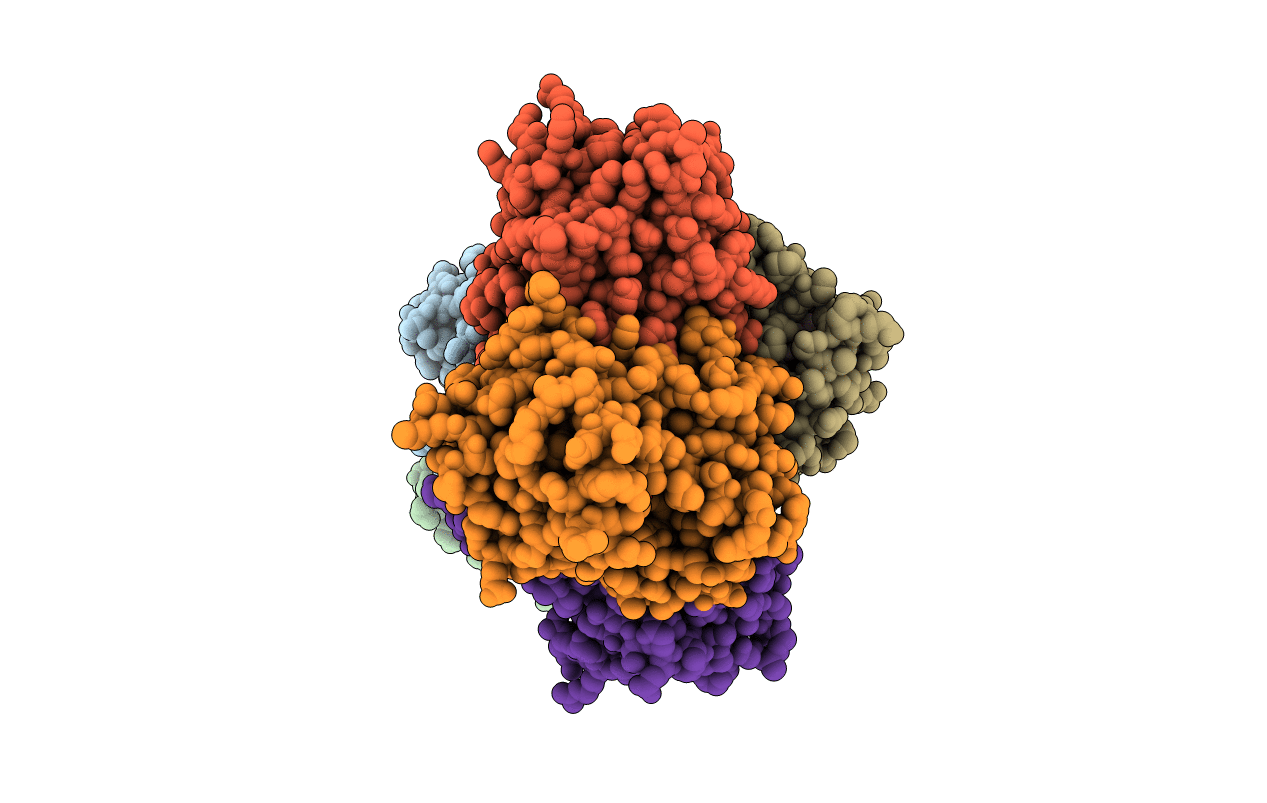
M.TB. ENOYL-ACP REDUCTASE (INHA) IN COMPLEX WITH NAD+ AND C16-FATTY-ACYL-SUBSTRATE
Biological Source:
Source Organism:
Host Organism:
Method Details:
Experimental Method:
Resolution:
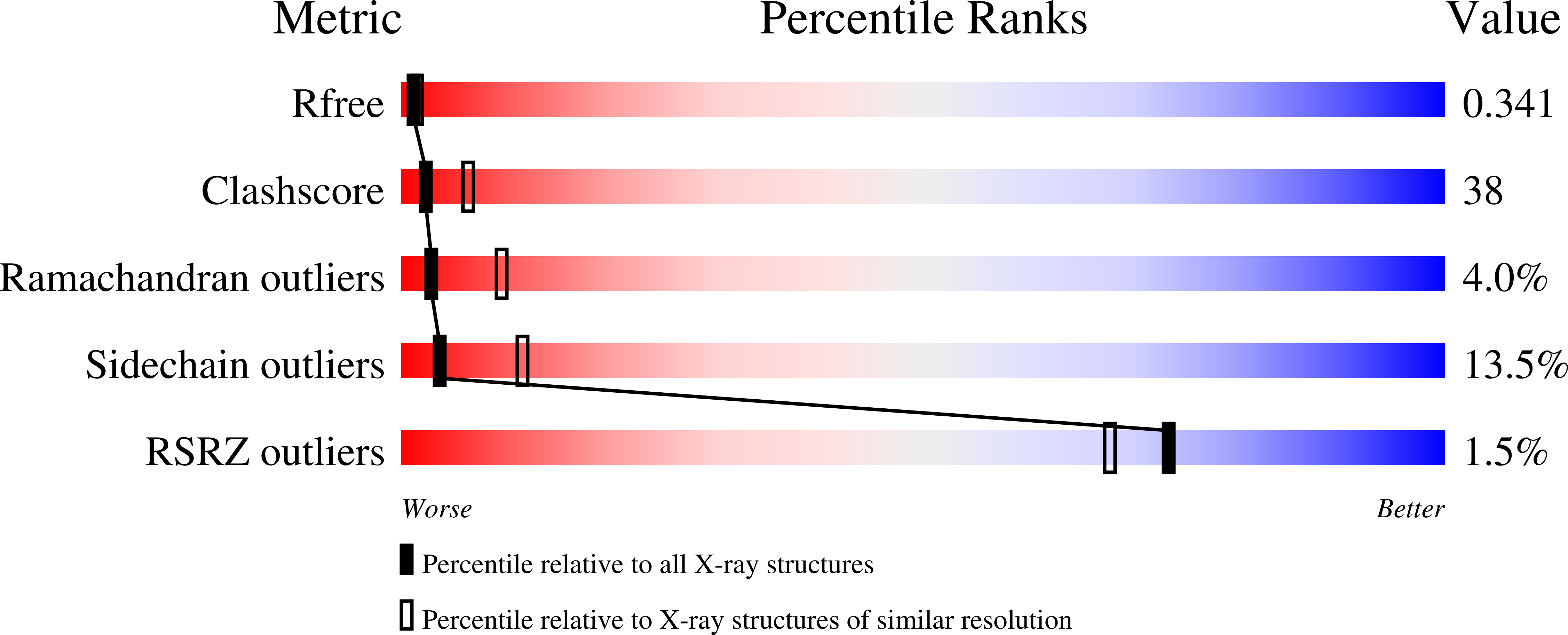
2.80 Å
R-Value Free:
0.34
R-Value Work:
0.21
R-Value Observed:
0.21
Space Group:
C 1 2 1
Macromolecular Entities
Structures with similar UniProt ID
Protein Blast
Polymer Type:polypeptide(L)
Molecule:PROTEIN (ENOYL-ACYL CARRIER PROTEIN (ACP) REDUCTASE)
Chain IDs:A, B, C, D, E, F
Chain Length:268
Number of Molecules:6
Biological Source:Mycobacterium tuberculosis
Primary Citation
Crystal structure of the Mycobacterium tuberculosis enoyl-ACP reductase, InhA, in complex with NAD+ and a C16 fatty acyl substrate.
J.Biol.Chem. 274 15582 15589 (1999)
PMID: 10336454 DOI: 10.1074/jbc.274.22.15582

Abstact

Enoyl-ACP reductases participate in fatty acid biosynthesis by utilizing NADH to reduce the trans double bond between positions C2 and C3 of a fatty acyl chain linked to the acyl carrier protein. The enoyl-ACP reductase from Mycobacterium tuberculosis, known as InhA, is a member of an unusual FAS-II system that prefers longer chain fatty acyl substrates for the purpose of synthesizing mycolic acids, a major component of mycobacterial cell walls. The crystal structure of InhA in complex with NAD+ and a C16 fatty acyl substrate, trans-2-hexadecenoyl-(N-acetylcysteamine)-thioester, reveals that the substrate binds in a general "U-shaped" conformation, with the trans double bond positioned directly adjacent to the nicotinamide ring of NAD+. The side chain of Tyr158 directly interacts with the thioester carbonyl oxygen of the C16 fatty acyl substrate and therefore could help stabilize the enolate intermediate, proposed to form during substrate catalysis. Hydrophobic residues, primarily from the substrate binding loop (residues 196-219), engulf the fatty acyl chain portion of the substrate. The substrate binding loop of InhA is longer than that of other enoyl-ACP reductases and creates a deeper substrate binding crevice, consistent with the ability of InhA to recognize longer chain fatty acyl substrates.

Legend

Protein

Chemical

Disease

Primary Citation of related structures
Feedback Form
Name
Email
Institute
Feedback