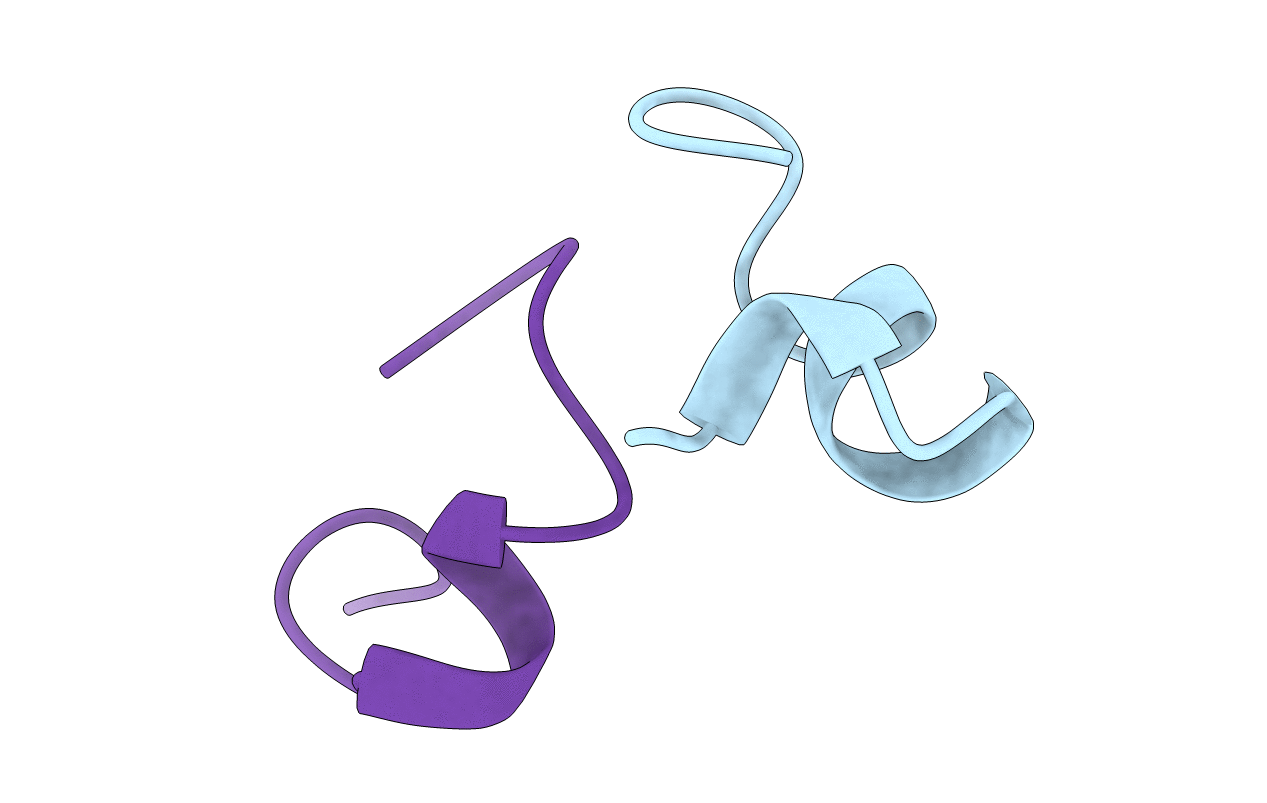
1A0M image
Deposition Date 1997-12-03
Release Date 1999-01-13
Last Version Date 2024-10-30
Entry Detail
PDB ID:
1A0M
Title:
1.1 ANGSTROM CRYSTAL STRUCTURE OF A-CONOTOXIN [TYR15]-EPI
Biological Source:
Source Organism:
Method Details:
Experimental Method:
Resolution:
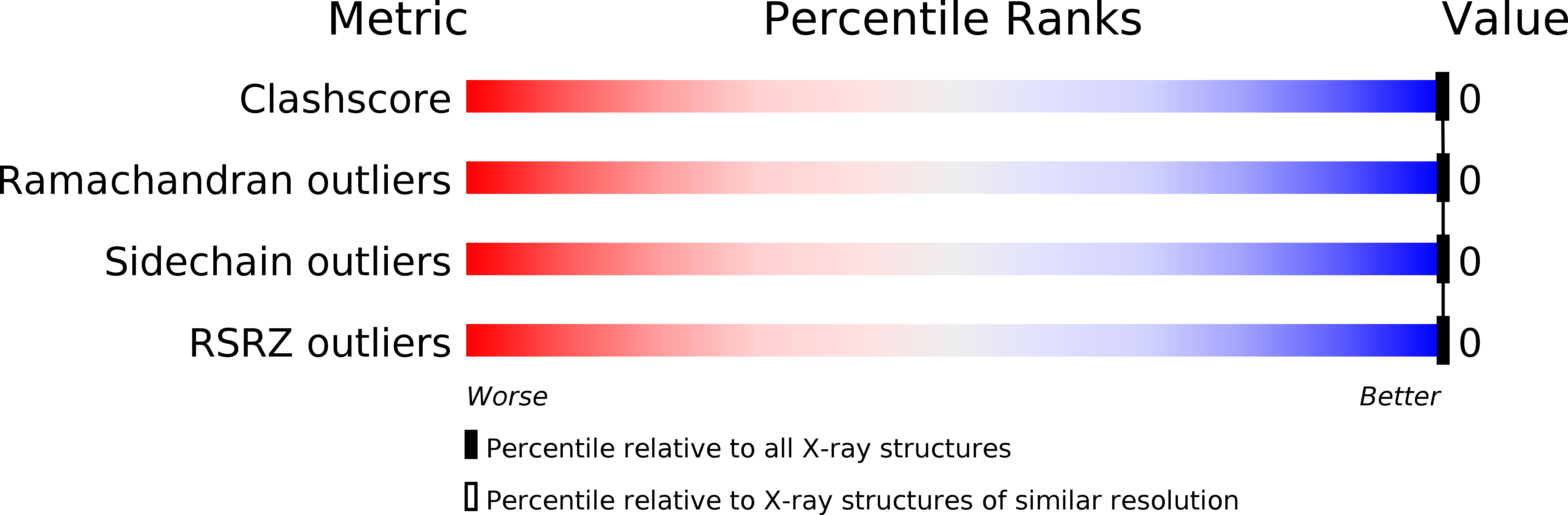
1.10 Å
R-Value Free:
0.17
R-Value Work:
0.16
R-Value Observed:
0.16
Space Group:
I 4
Macromolecular Entities
Structures with similar UniProt ID
Protein Blast
Polymer Type:polypeptide(L)
Molecule:ALPHA-CONOTOXIN [TYR15]-EPI
Chain IDs:A, B
Chain Length:17
Number of Molecules:2
Biological Source:Conus episcopatus
Primary Citation
The 1.1 A resolution crystal structure of [Tyr15]EpI, a novel alpha-conotoxin from Conus episcopatus, solved by direct methods.
Biochemistry 37 11425 11433 (1998)
PMID: 9708977 DOI: 10.1021/bi9806549

Abstact

Conotoxins are valuable probes of receptors and ion channels because of their small size and highly selective activity. alpha-Conotoxin EpI, a 16-residue peptide from the mollusk-hunting Conus episcopatus, has the amino acid sequence GCCSDPRCNMNNPDY(SO3H)C-NH2 and appears to be an extremely potent and selective inhibitor of the alpha3beta2 and alpha3beta4 neuronal subtypes of the nicotinic acetylcholine receptor (nAChR). The desulfated form of EpI ([Tyr15]EpI) has a potency and selectivity for the nAChR receptor similar to those of EpI. Here we describe the crystal structure of [Tyr15]EpI solved at a resolution of 1.1 A using SnB. The asymmetric unit has a total of 284 non-hydrogen atoms, making this one of the largest structures solved de novo by direct methods. The [Tyr15]EpI structure brings to six the number of alpha-conotoxin structures that have been determined to date. Four of these, [Tyr15]EpI, PnIA, PnIB, and MII, have an alpha4/7 cysteine framework and are selective for the neuronal subtype of the nAChR. The structure of [Tyr15]EpI has the same backbone fold as the other alpha4/7-conotoxin structures, supporting the notion that this conotoxin cysteine framework and spacing give rise to a conserved fold. The surface charge distribution of [Tyr15]EpI is similar to that of PnIA and PnIB but is likely to be different from that of MII, suggesting that [Tyr15]EpI and MII may have different binding modes for the same receptor subtype.

Legend

Protein

Chemical

Disease

Primary Citation of related structures
Feedback Form
Name
Email
Institute
Feedback