

| * | All abstracts relevant to the conference theme will be considered for poster presentations, while a select number will be chosen for short talks. |
| * | Abstract Submission is optional, participants can attend the conference without submitting an abstract by paying appropriate registration fees. |
| Abstract Submission Deadline | October 10, 2025 |
| Session talks | Short talks (Selected Abstracts) | Poster presentations |
|---|---|---|
| By invitation only | Typically, 10-minute presentations provide an opportunity for participants to feature their work at the CBC - 2.0. The scientific committee will screen the abstracts. | Printed posters will be displayed. Suitable provisions for the same will be provided at the conference venue. The scientific committee will screen the applications.
Specifications: Posters should be printed and brought to the venue by the presenter with a maximum height of 90 cm and width of 100-110 cm. Poster boards and materials for hanging posters will be provided. |
| * |
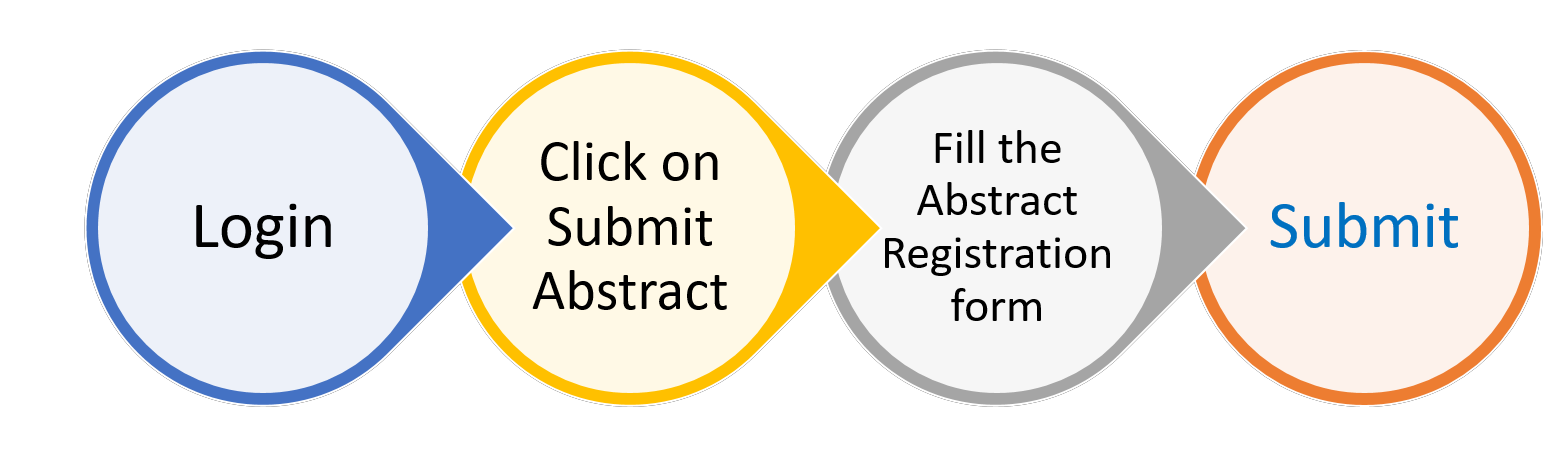
Abstract can only be submitted after registration through the online submission process summarized below:
|
| * | Abstracts must be submitted in English and limited to 250 words. |
| * | Abstract must be constructed such that the elements of: Background, Methods, Results, Conclusion are clearly articulated. |
| * | Please be sure to carefully check your abstract for content errors, spelling, names, etc. before submitting. |
| * | Genomics |
| * | Biological networks |
| * | Sequencing and genotyping techniques |
| * | AI and ML |
| * | Population genetics |
| * | Systems biology |
| * | Data standards and ontologies |
| * | Biocuration |
| * | Imaging |
| * | Computational proteomics |
| * | Molecular structural biology |